300 moves
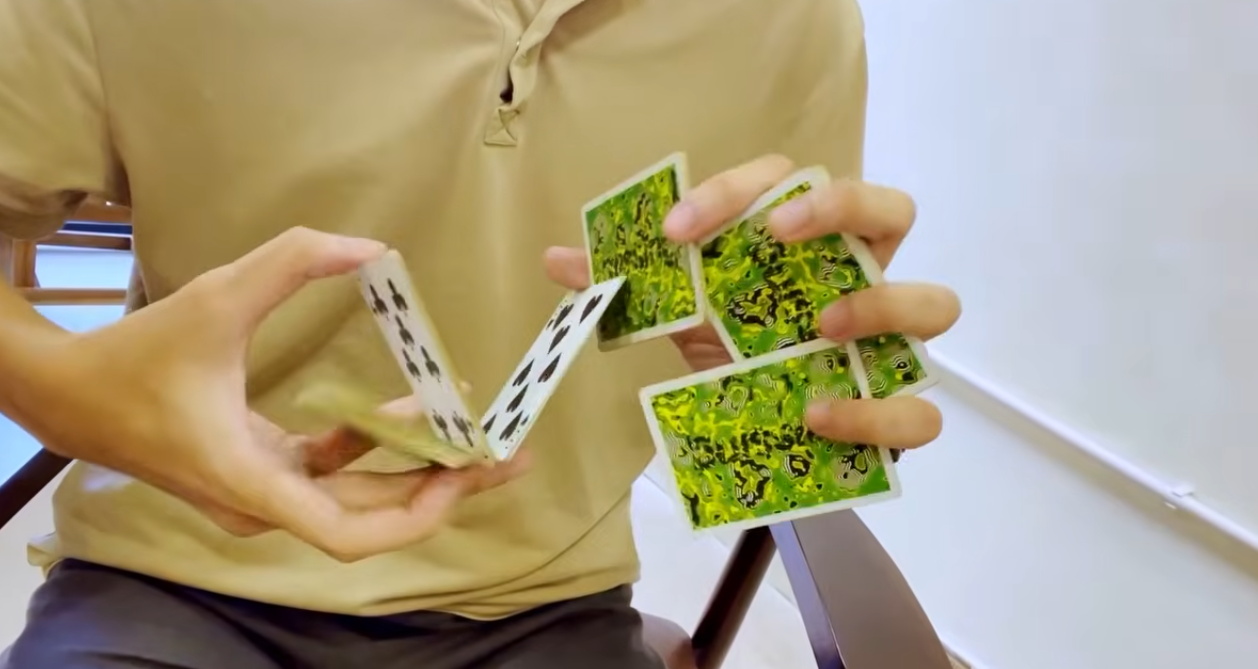
A move with an almost dreamy, half-surreal vibe. The move follows simpler mechanics that then lead into more complicated sequence. Backstory Both Cornobble and Are There Turtles in the pond share a common opener, with Cornobble generally understood to have been developed after Turtles in the Pond. The shared opener is based on Revolver by Kevin Ho. According to Cardistree, work on this opener began around spring 2024, and the first fully completed version of Are There Turtles in the Pond—the precursor to Cornobble—was finished in June 2024. The names Are There Turtles in the Pond and Cornobble originate from a Youtube video A (non)cardist's deck collection. In that video, Cardistree asks a friend what the flourish should be called. She jokingly suggested "Are There Turtles in the Pond", a phrase Cardistree describes as "a running joke between them". In the same video, she also proposed "Cornobble", a term meaning to slap someone across the face with a dead fish. Cardistree explains that he spent some time deciding between the two names. Eventually, around October 2025, he chose to use both. At that time, what is now Are There Turtles in the Pond was originally named Cornobble. However, after realizing the name didn’t suit the move, he redesigned Are There Turtles in the Pond to include a “slap‑like” closer that better matched the meaning of the word cornobble. Tutorials for both Are There Turtles in the Pond and Cornobble were released around March 2026. important: the tutorial teaches both cornobble and its variation turtles in the pond
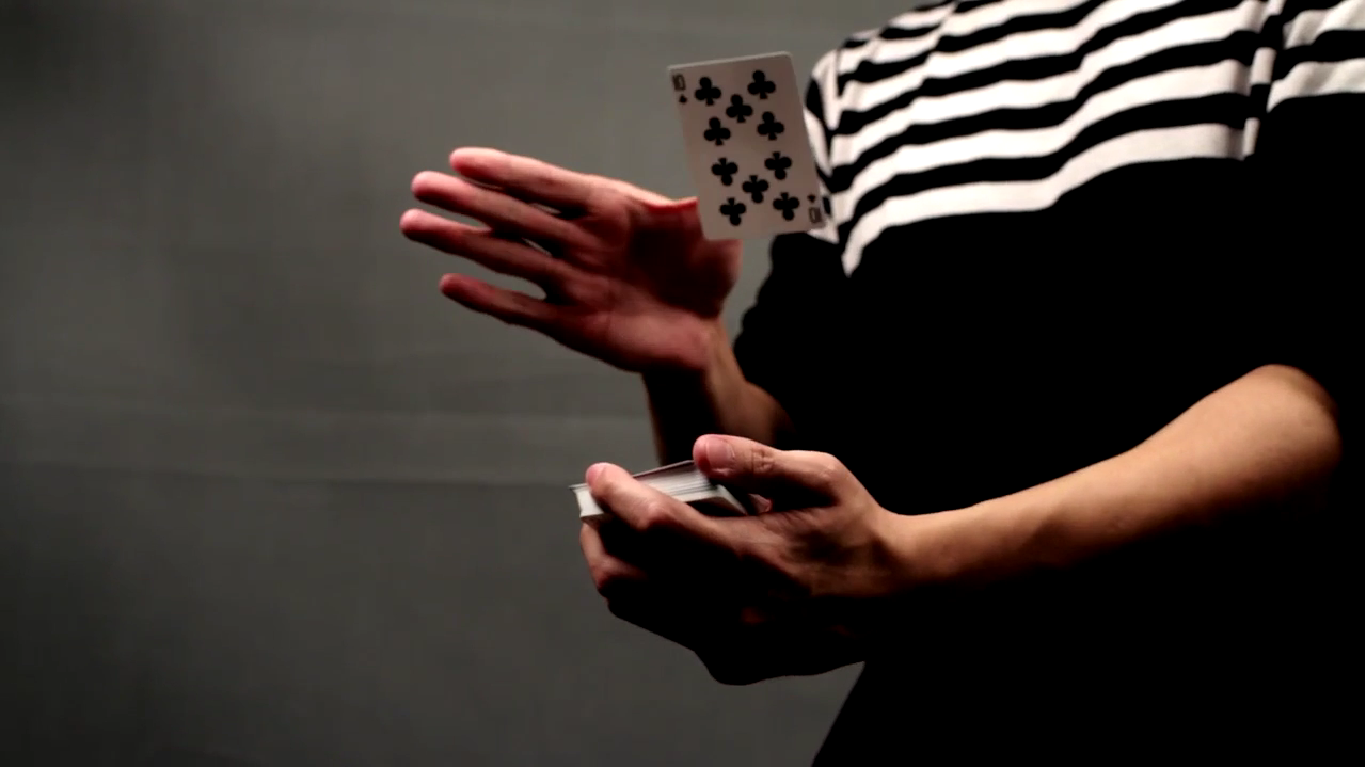
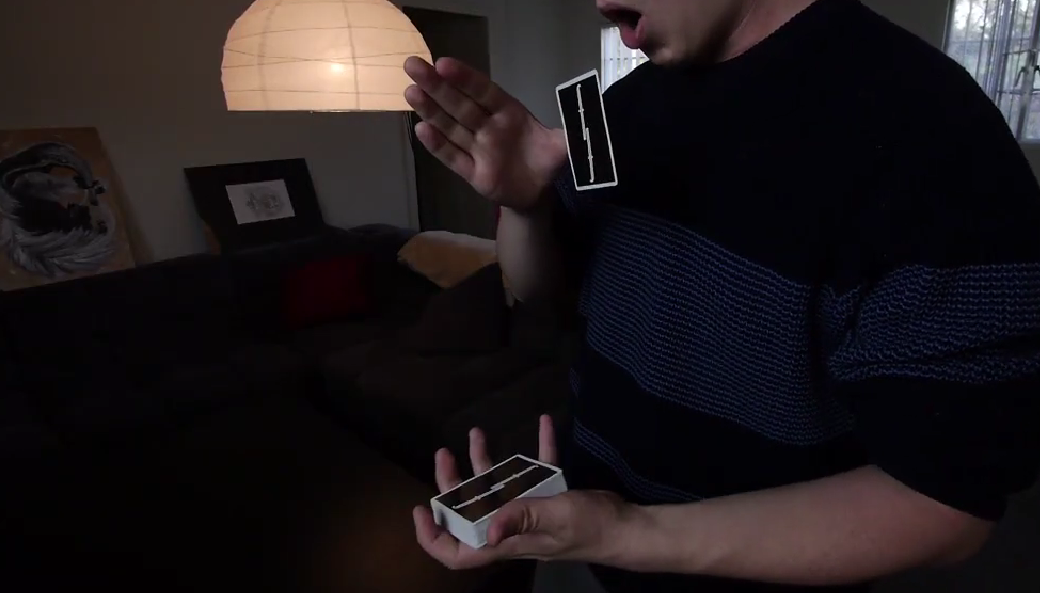
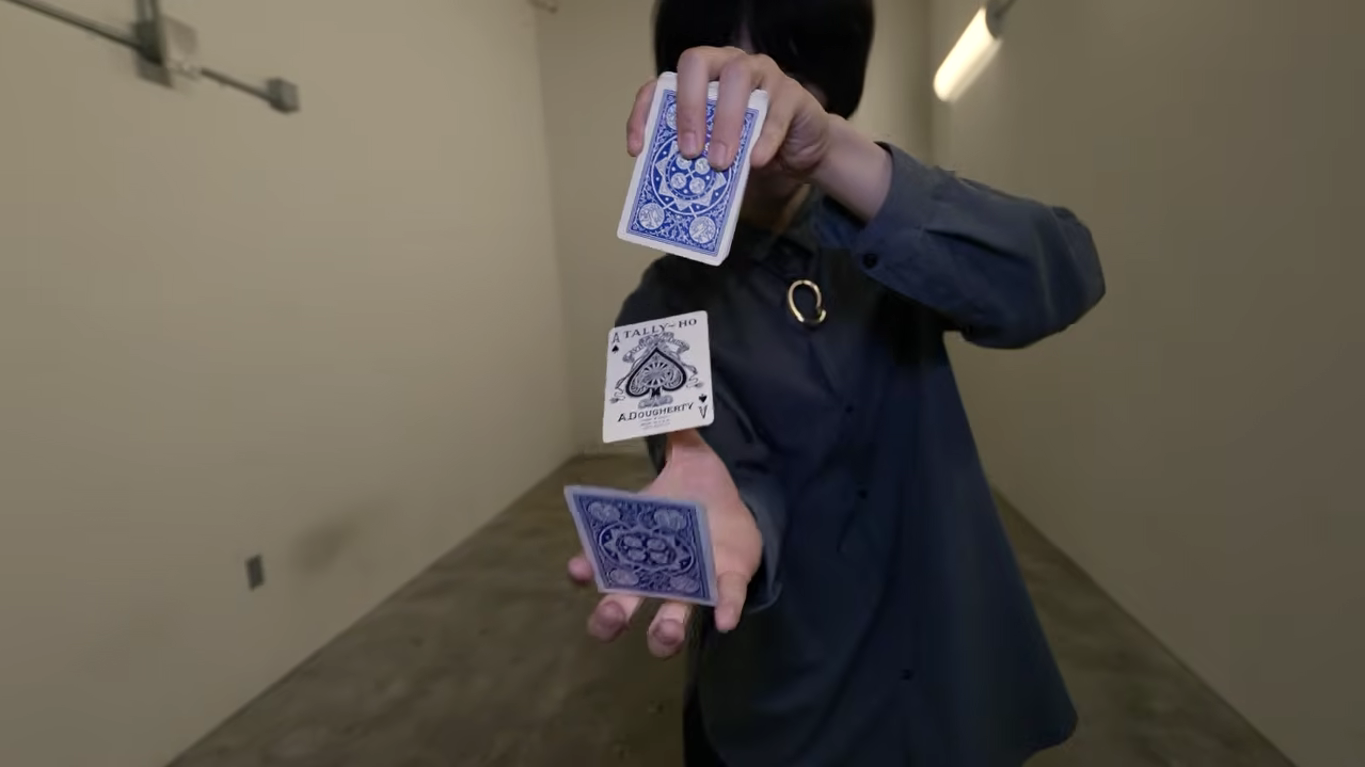
Fuck Physics is a move in which a packet of cards is tossed upward and returns to the hand at an unnatural angle. It consists of a simple cut that prepares a separated packet for the throw. The packet is then tossed in a specific way, causing it to return diagonally instead of following the expected perpendicular downward trajectory. A paid tutorial was announced for release on the NDO website in 2016, but the announcement was later cancelled as an April Fools' joke.
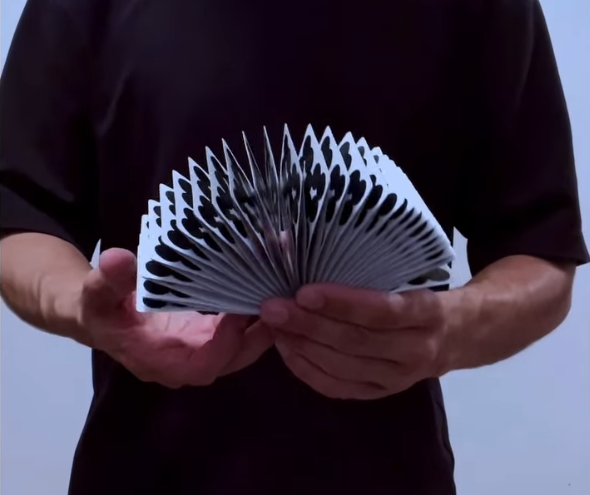
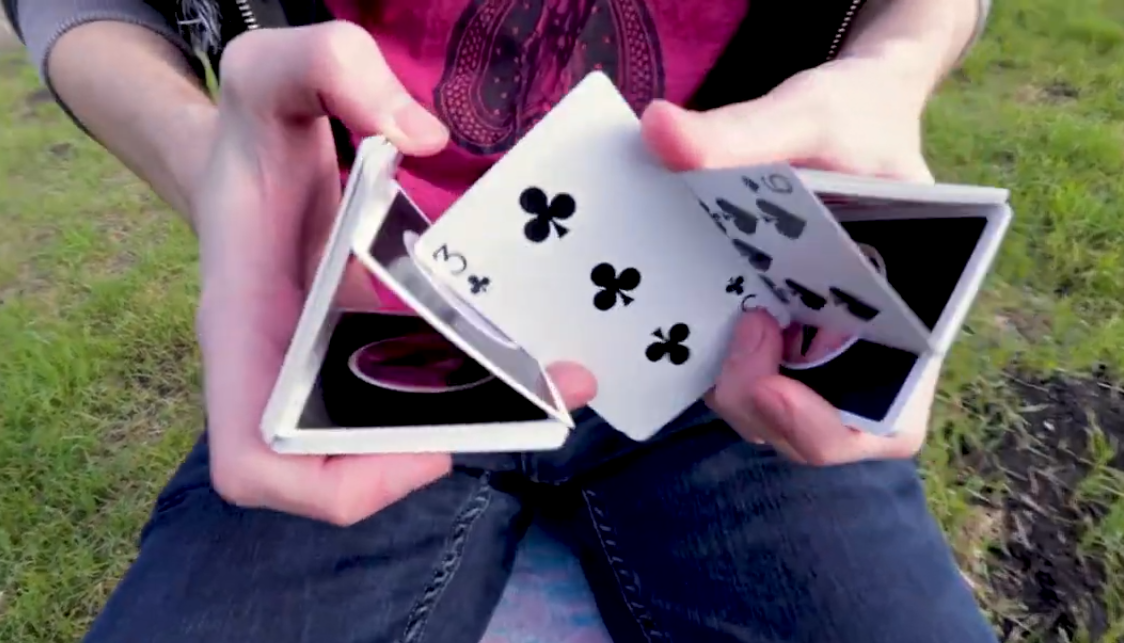
Array is a stately card construction built using principles similar to those of Holy Grail. Blocks of cards are pushed out from the deck and then pushed back into it. The entire structure is raised to a spectacular level through the thumbs and its final form is achieved by releasing the fingers holding the lower packets.
Indice Fan is a simple one-handed fan in which the cards are spread primarily using the index finger. It begins from a dealer grip, with the index finger curled underneath the deck. The cards are spread with a single fluid motion by extending the index finger while applying pressure to the deck with the index finger and thumb. For a more even spread, the remaining fingers can also push the rest of the cards during this stage.


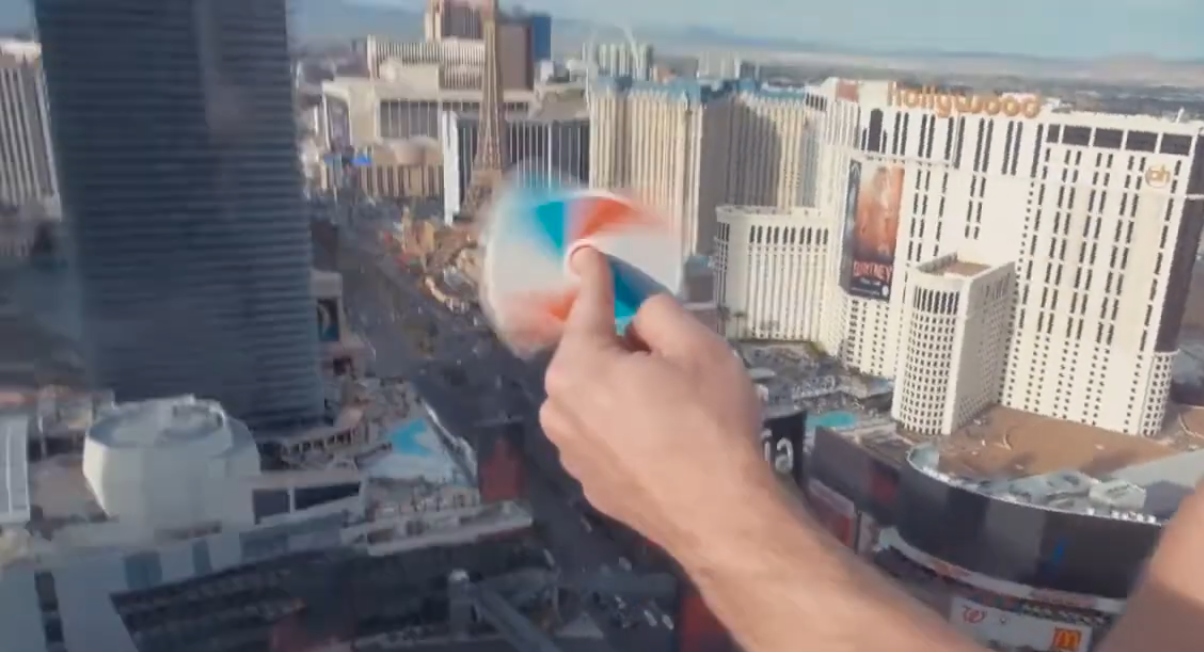
If you love card rotation and one-handed moves, this is one you simply have to learn! RC SPIN is one of Sergio Roca's favorite moves.
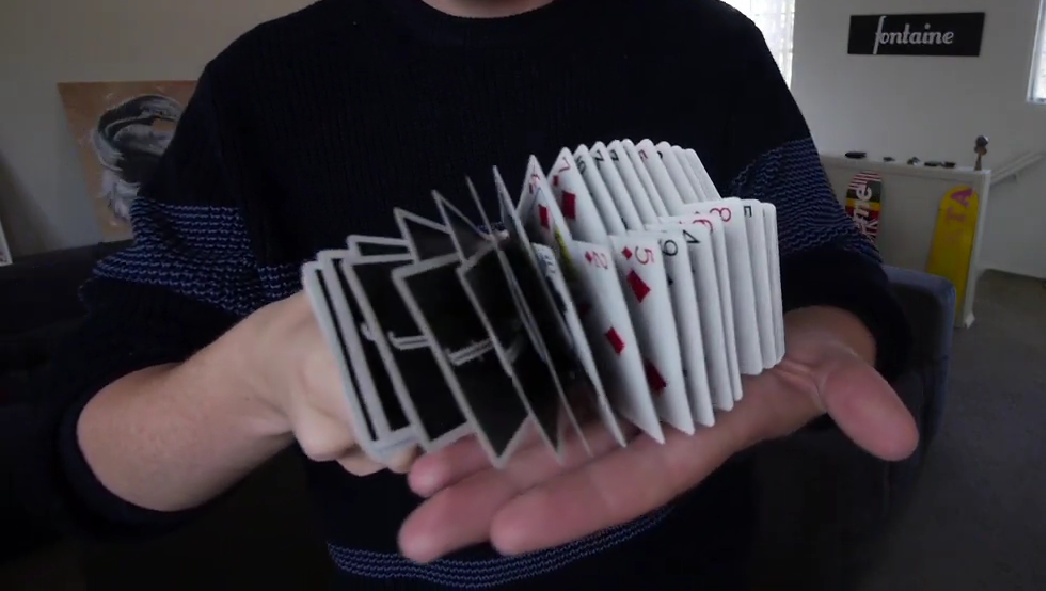
A two-handed 4-packet cut featuring a card sliding interaction. You can spot a typical swing cut as an opener, along with a thumb cut
Two-handed 4-pack movement that includes a trigger on closing. A variation of this move, simply called Toothpick, can be seen in OLD DOG - Cardistry by Brendan Conner.

Oliver Twist is a rotating two packet display that can lead to various combos.
The Cobrush Cut is a combination of Cobra Cut by De'Vo Vom Schattenreich and Brush by Jerry Cestkowski. It has the same cobra-like striking motion, but with the packet also being spun midiar.

The King Cobra Cut is a variation of the Cobra Cut, but performed instead with two packets being caught instead of one. This move is named after the King Cobra, as it mimics the striking motion of a cobra.