368 moves
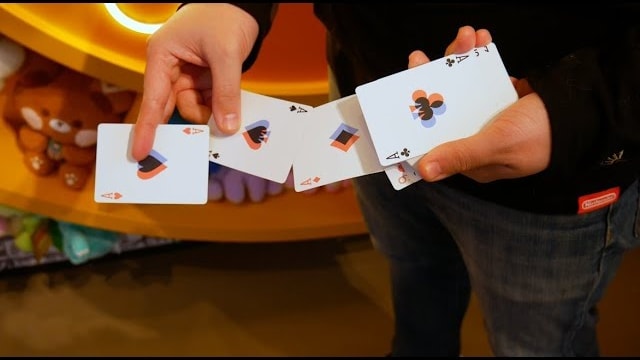
Here's another Ace Production from Smooth Operations. With a few simple maneuvers, the performer appears to use static electricity to make the four Aces appear in a line. - Kevin Ho
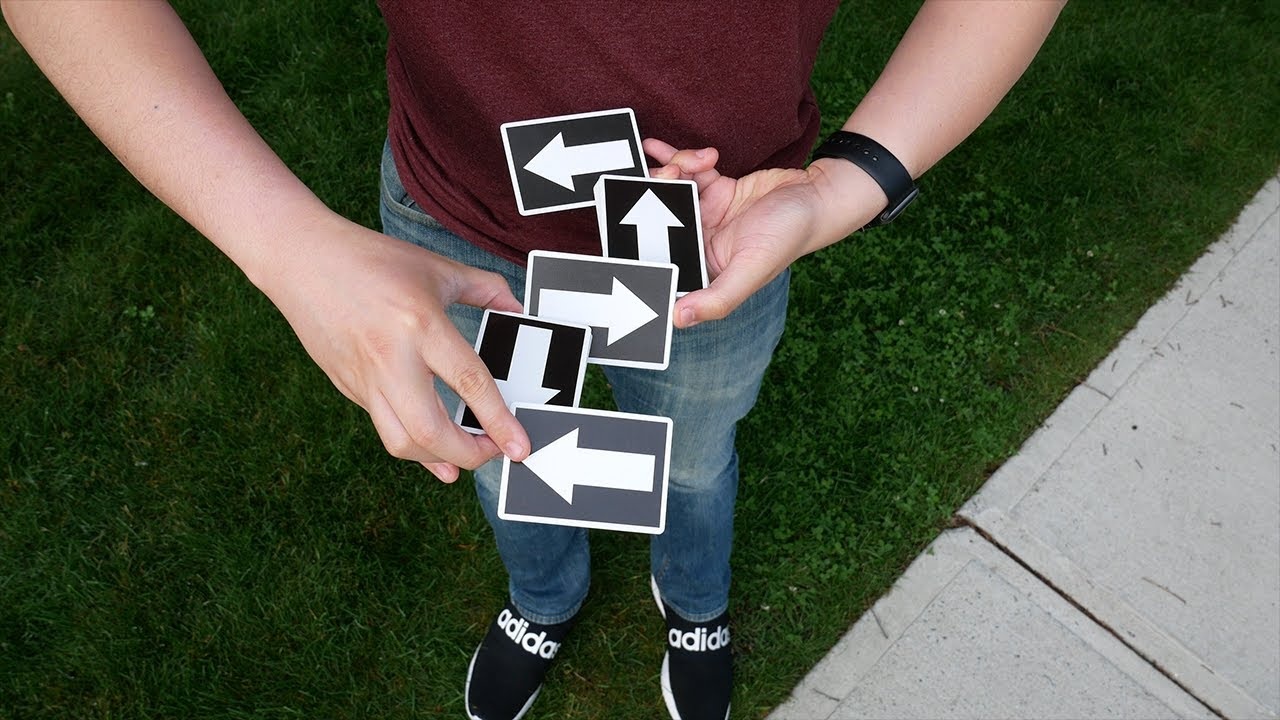
What if you could do The Werm... but faster? Instawerm is the answer to that. Practiced well, you can get in and out of it so fast that its effects will almost seem subliminal, causing your spectators to question whether they just saw you whip a large snake-like thing out in front of their faces. Um, perhaps I could've phrased that better... - Kevin Ho
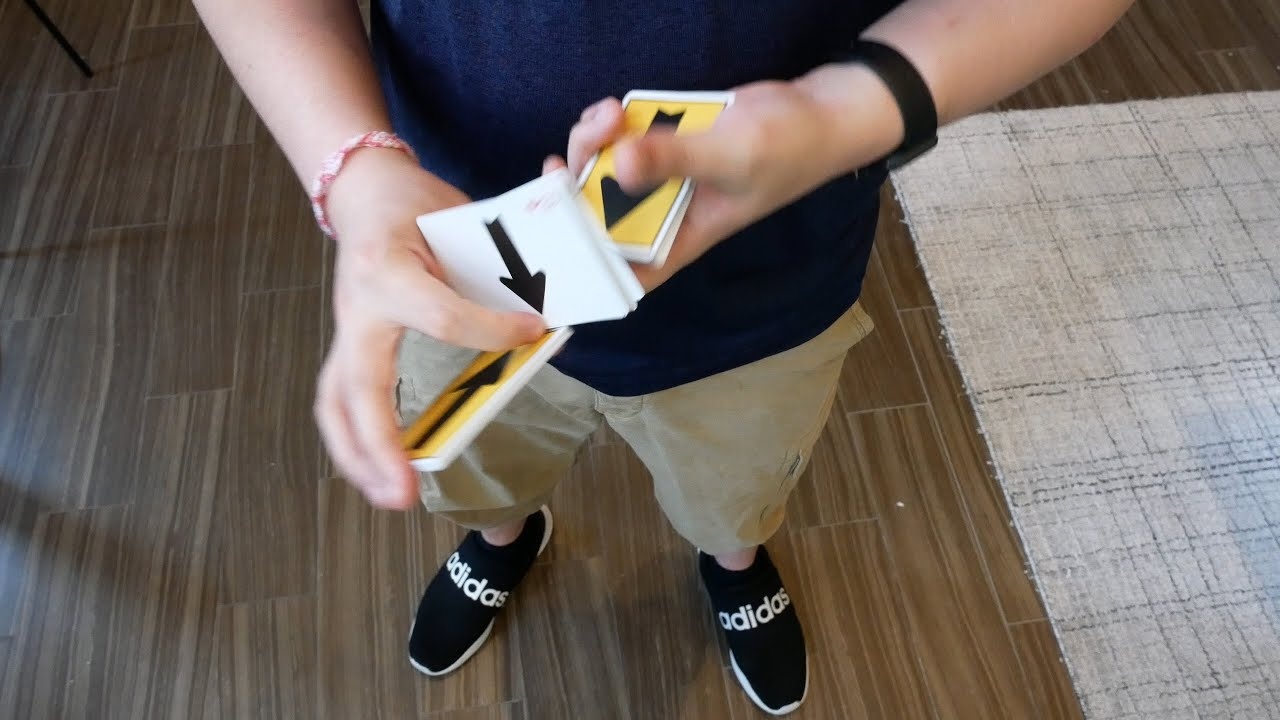
Most of you know this as the lead-in that I used for Revolver at the end of Liquid Paper, but it's also a great standalone cut by itself! Credit goes to Alejandro Portela aka TheCuso for his cut "Nebula", which accounts for the mechanic in the middle of this cut. - Kevin Ho
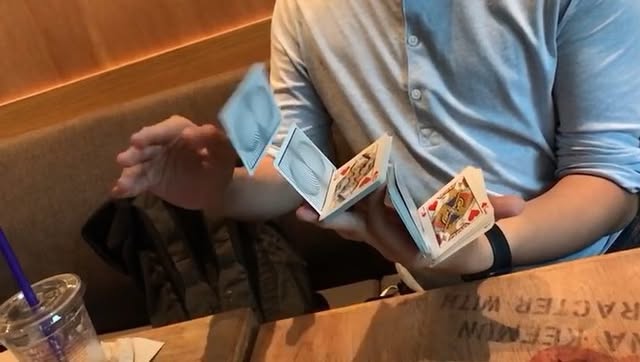
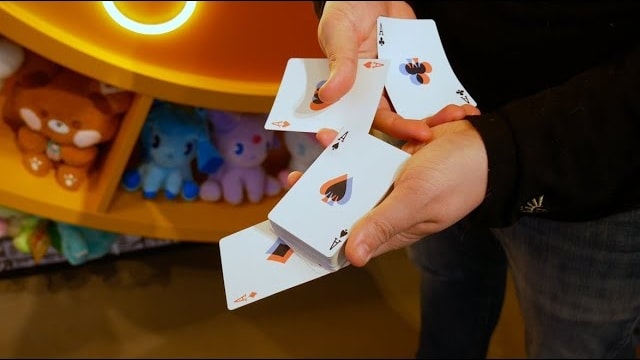
If you're familiar with the One Handed Top Palm, then this is one you'll definitely want to add to your arsenal. First one Ace appears out of nowhere, followed by all 4 all at once. It's an eye-catcher! - Kevin Ho
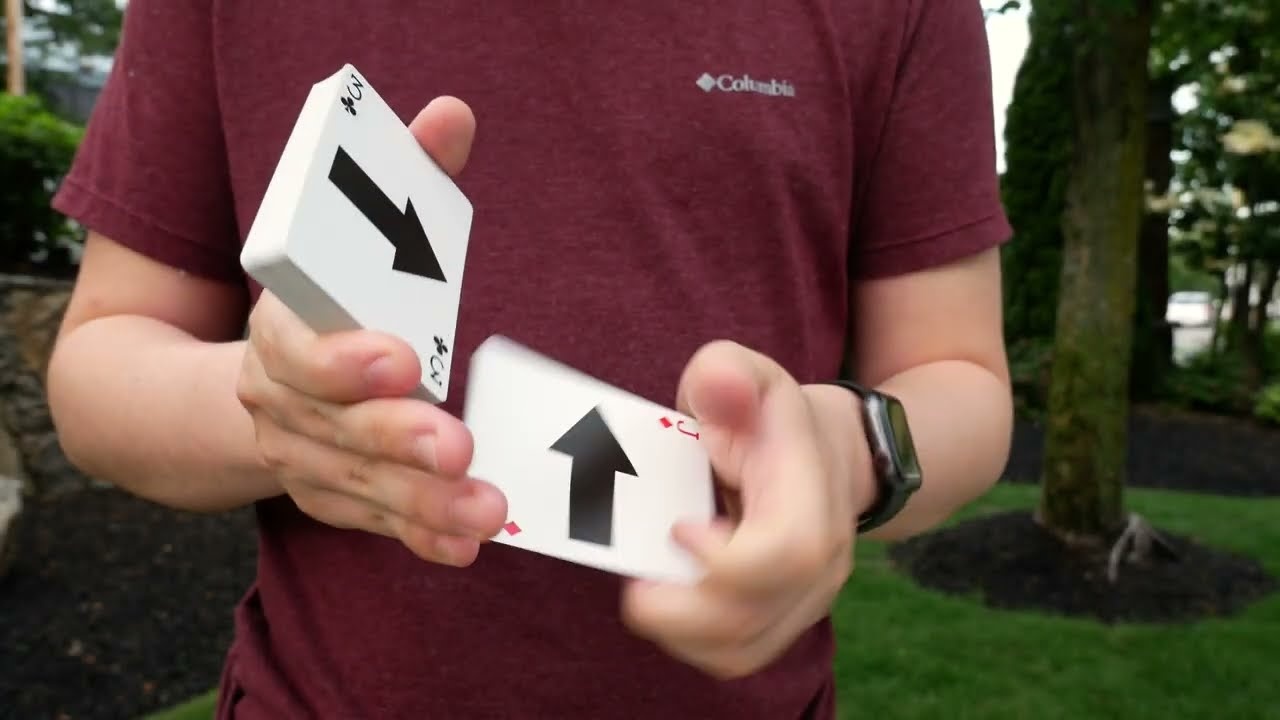
I've never been able to do Ashford Kneitel's Tornado Cut, so in the mid-2000s I developed a method for doing a multiple corner-spin move using a different technique. Later on, I incorporated an opener that was shown to me by my friend Daren Yeow, and Twisty McVeigh was born. If you're familiar with my move Corkscrew Closer from YouTube, then something that I do sometimes is to combine Twisty McVeigh with that move, ending it all with Backdrop. Try it out, it's a fun combo! https://youtu.be/ibscuVw8QkU?si=bOm7O_wpzTcKi41E&t=47 - Kevin Ho
Can you believe that this move is 20 years old?? It first debuted in my solo video HFFH on CheatersCheater.com, and since then it's also been featured in the Virtuoso video RISE, where it acts as a segue from Satellite to Daren performing Andrew Avila's Piano Cuts. - Kevin Ho
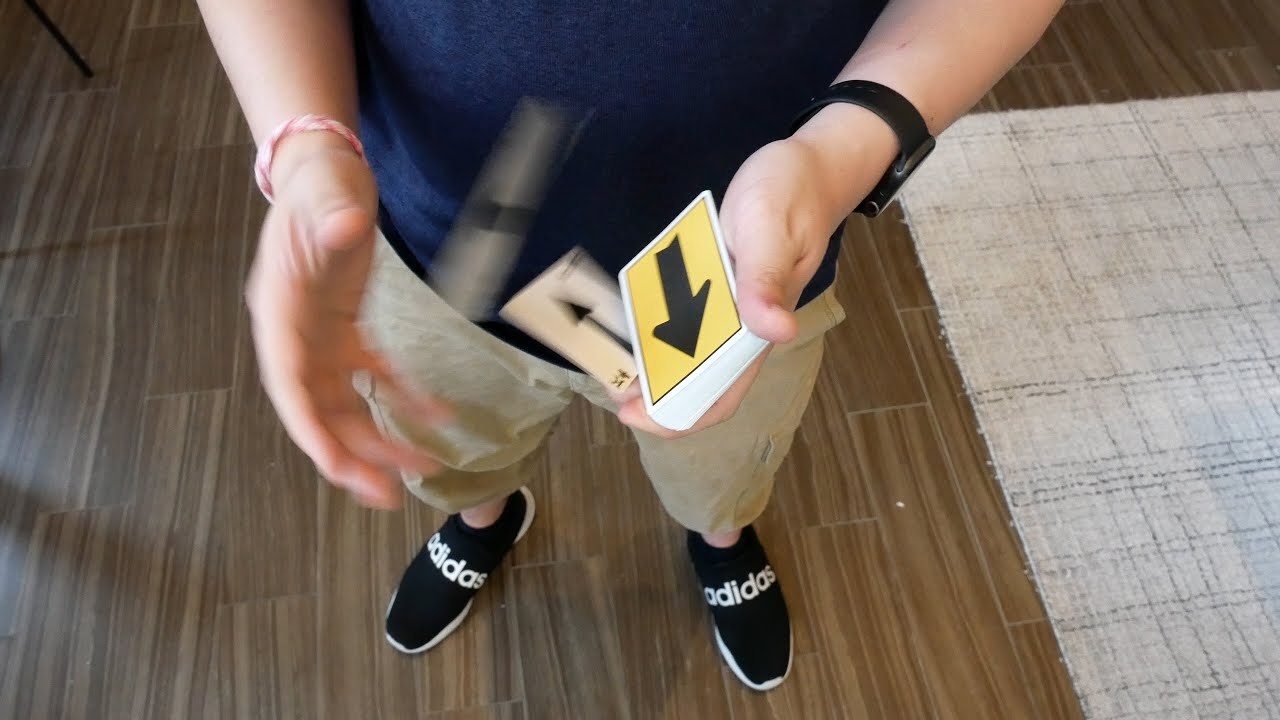
Many of you probably already do Backdrop, but in case you don't: you're in luck! Granted, I've taught this before in the One-Card EP and it's also been divulged by various other sources (with fluctuating accuracy). So to give this tutorial some added value, I've included instructions for Ricochet, a neat add-on that you can combine with Backdrop to create a blink-and-you'll-miss-it flourish that goes back and forth in a split second. - Kevin Ho
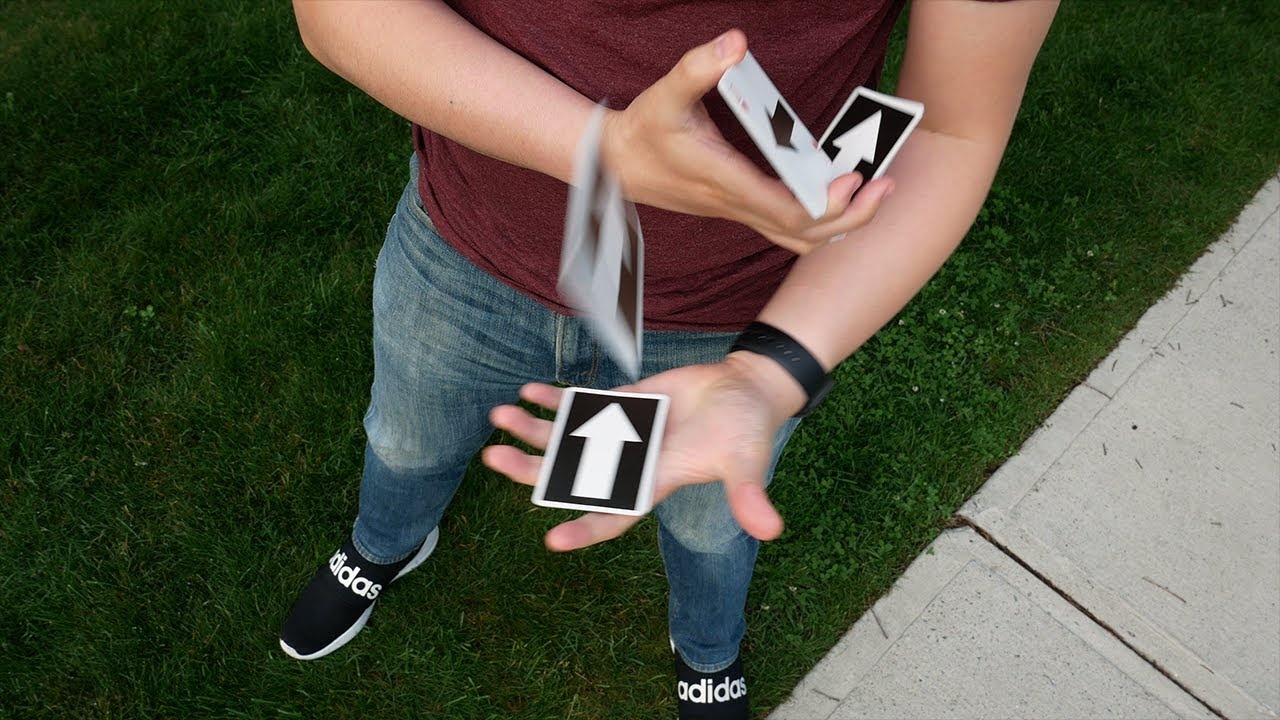
A Sybil variant with an aerial twist that I came up with in the mid-2000s. Some of you will recognize this from Liquid Paper, where it was combined with a Hot Shot Cut to create a two-person stunt. This one's a little knacky for sure, but a lot of fun to do once you get it down. - Kevin Ho
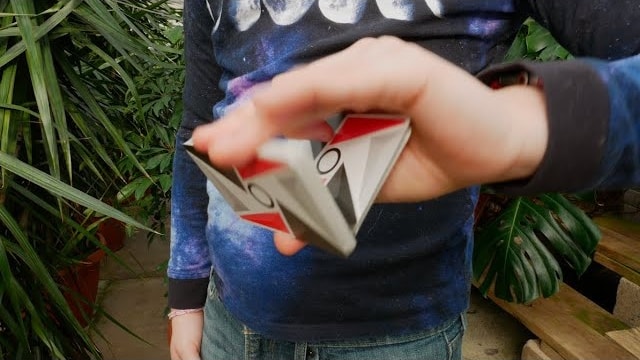
What if you could do the Charlier Cut... upside-down? That's precisely the premise of the UDC, a move that's a bit knacky to get down (and does require moderately-sized hands to pull off), but can be quite flashy, especially if done in looping succession with both hands. - Kevin Ho
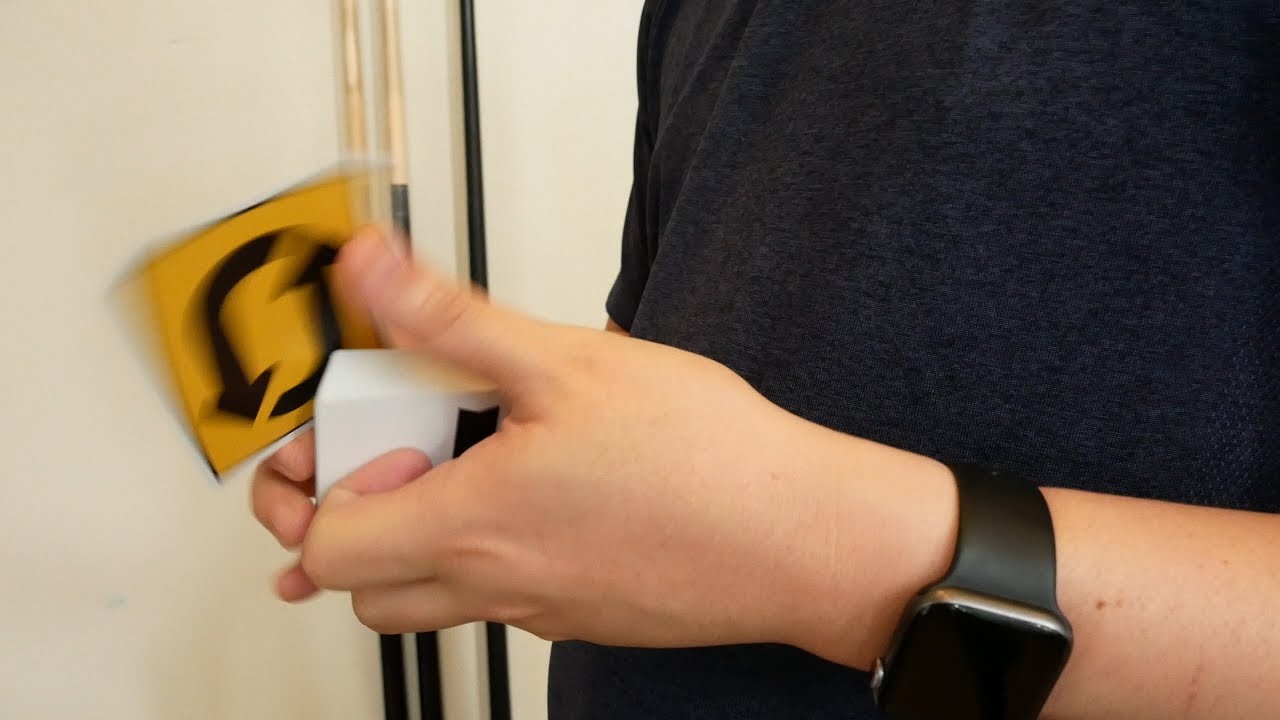
This move is like if Flirt and Raccoon had a baby, and that baby was thrown into a washing machine with the Tasmanian Devil. Admittedly, it's a hard one to get down consistently, but the feeling of nailing it perfectly is like being in a Dude Perfect video. - Kevin Ho
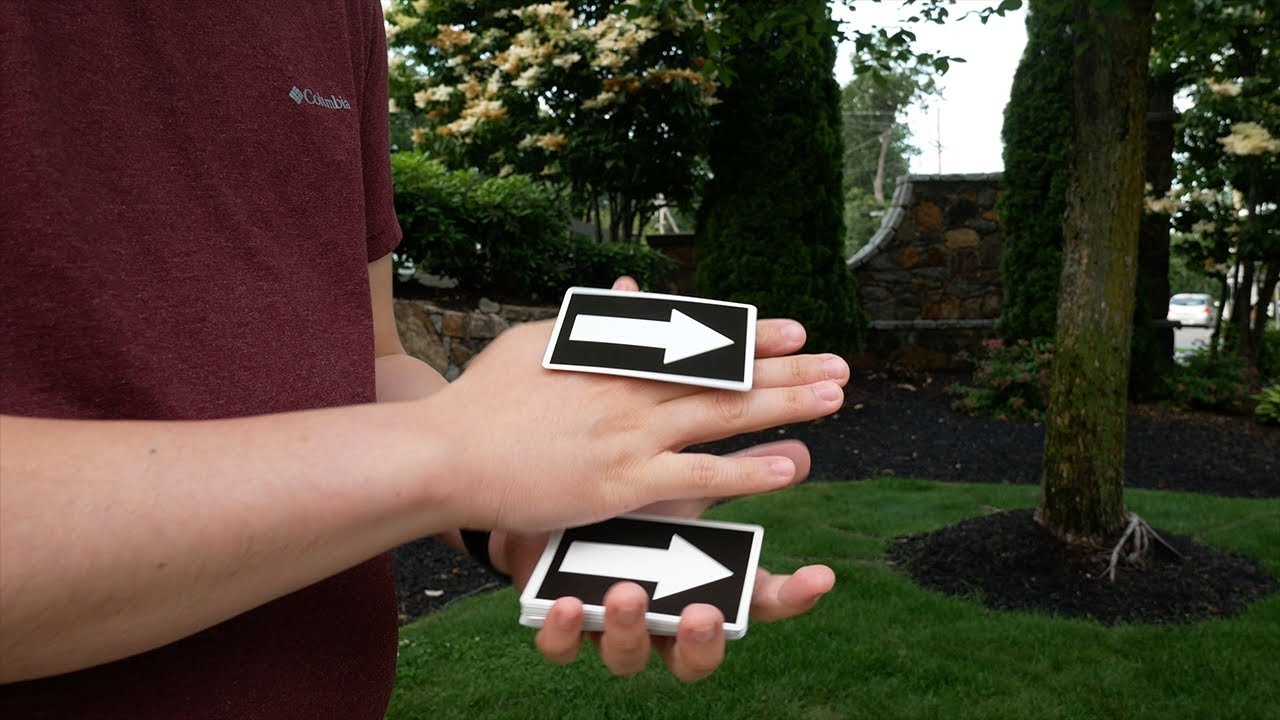
This one's close to my heart. I used Roundabout to open my video Void Deck from 2007, and it's shown up in different forms like in Portable Playground over the years. Roundabout combines portions of Sybil with my move 2πr. It's smooth, feels good, and overall it's quite easy to learn and do. - Kevin Ho
