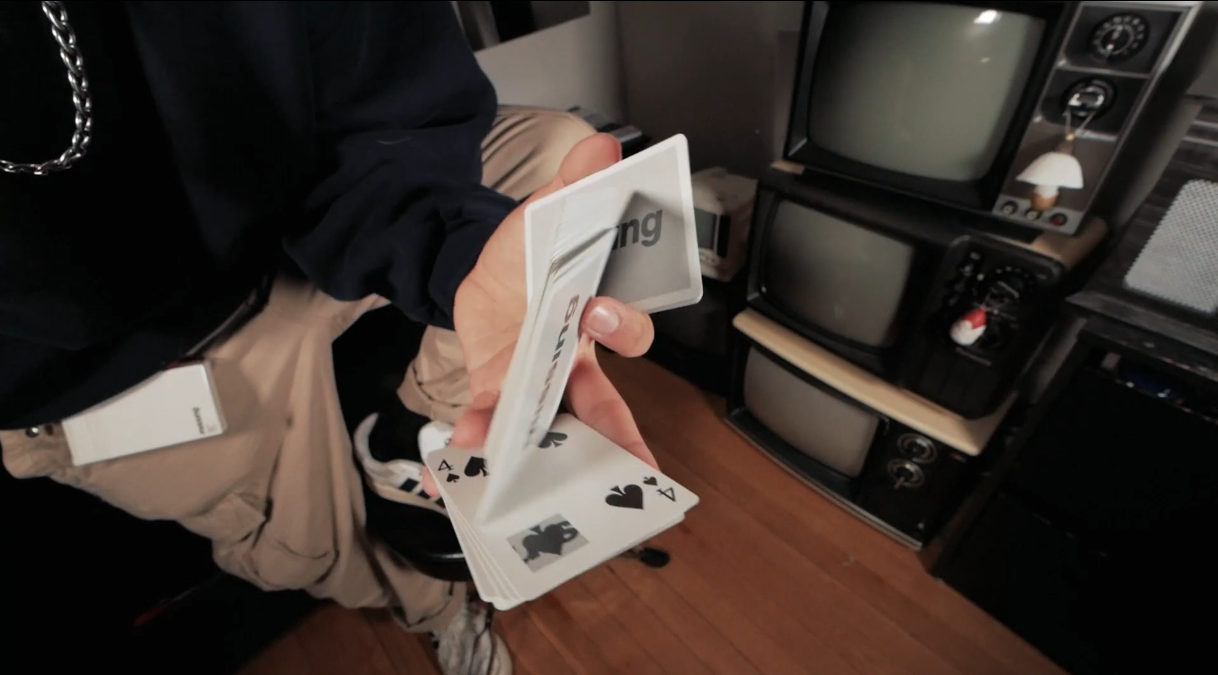
Moves that feature a distinctive way of holding the deck/cards.
26 moves in the archive
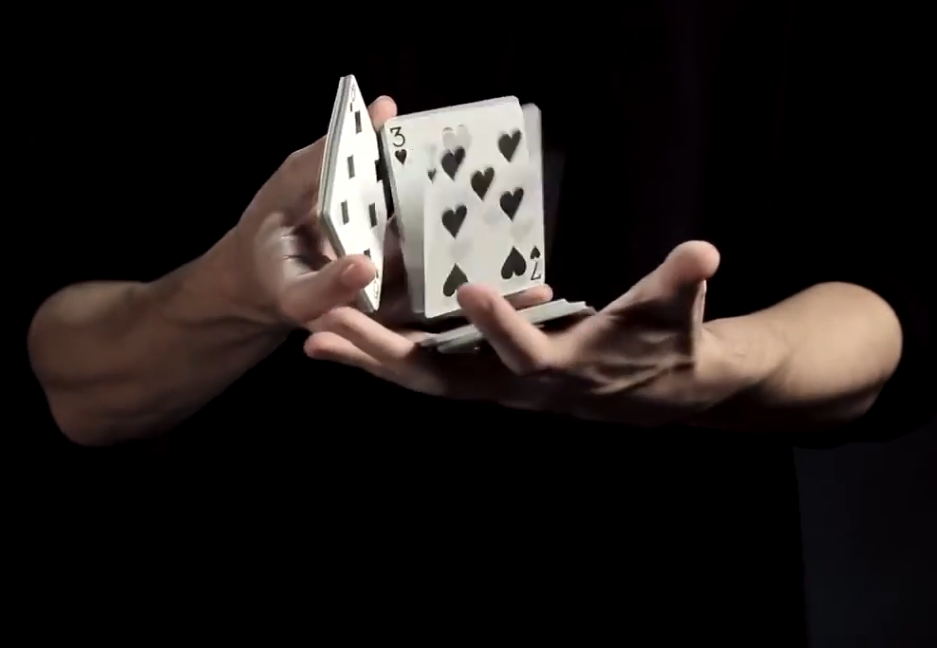
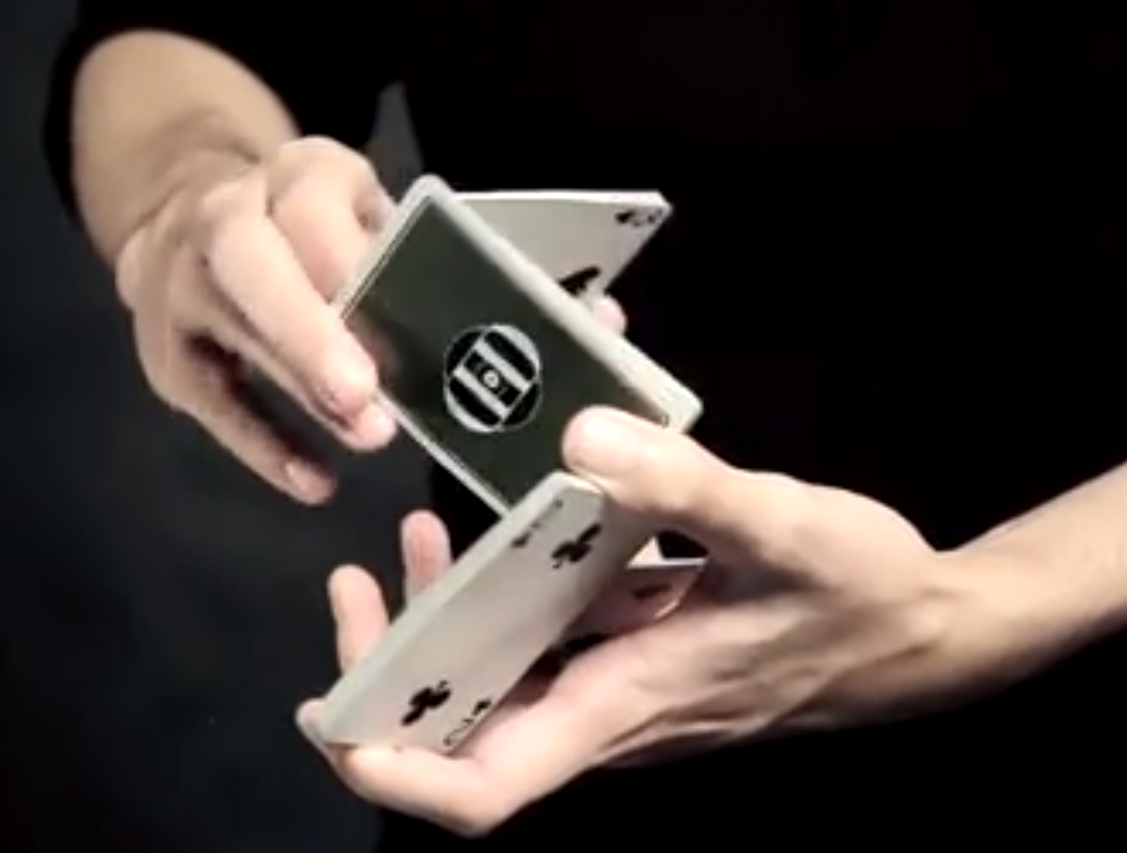
"Maestro" leans towards smoothness and excellent hand control, offering a stunning end. The move taken from the "Outbreak"
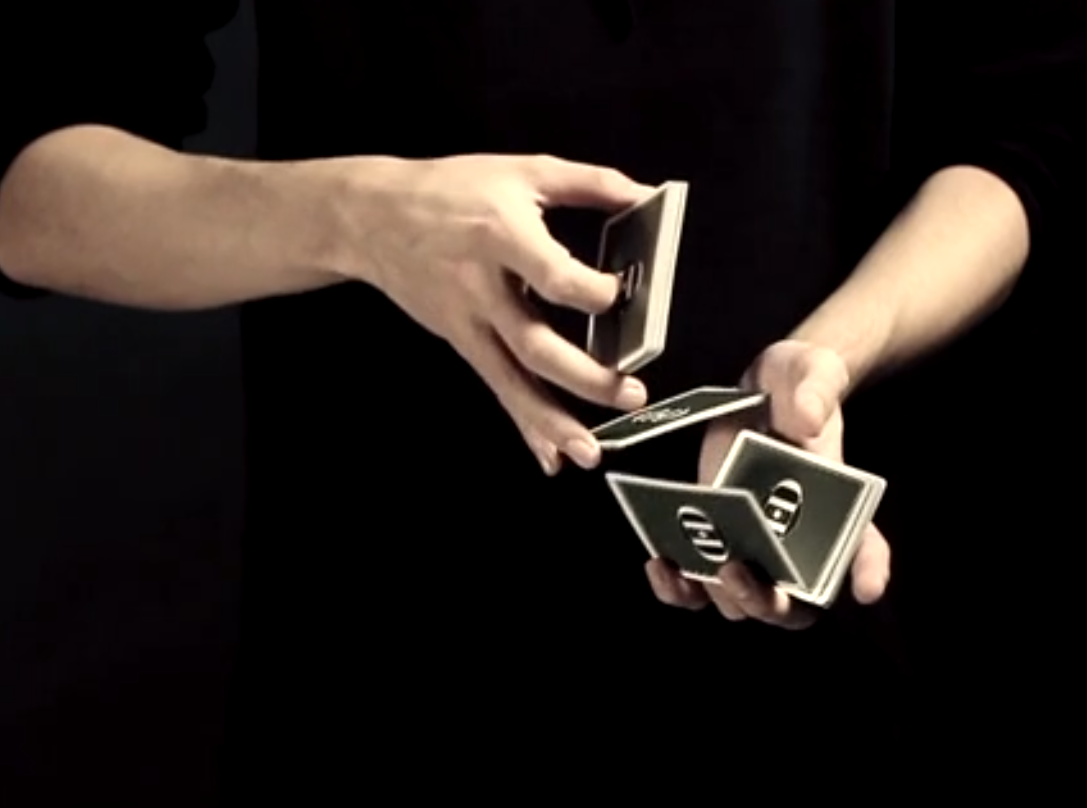
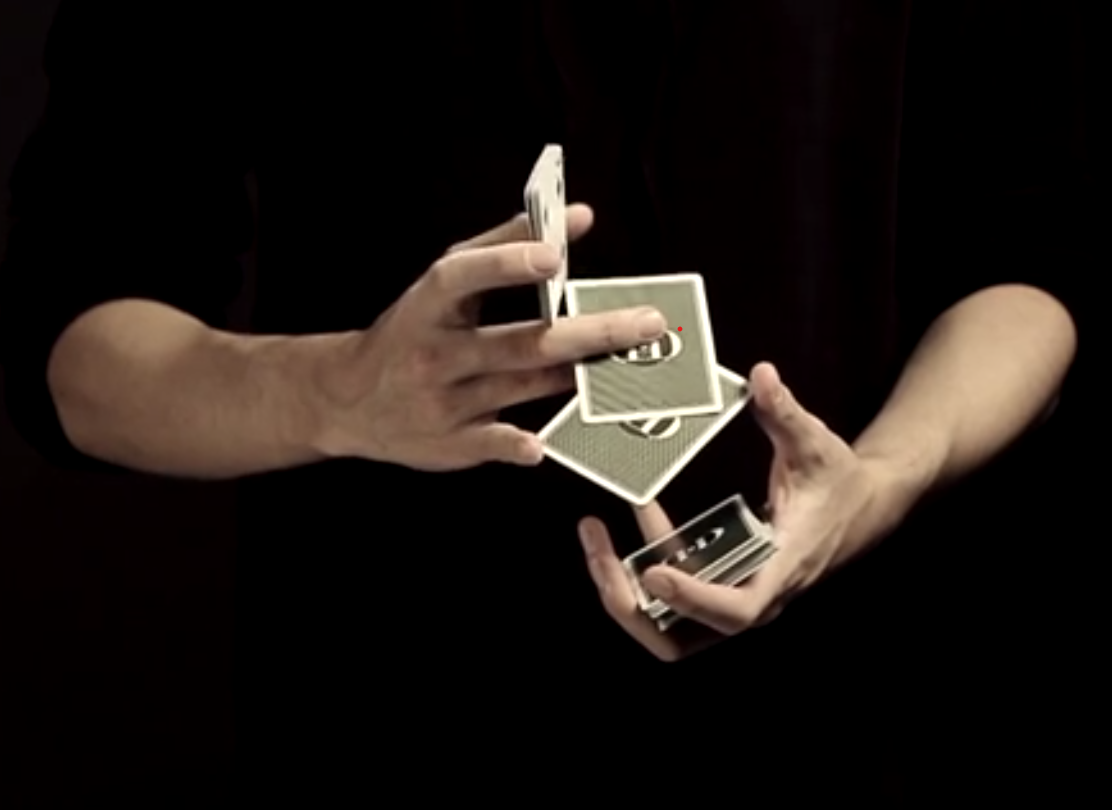
DedSec is one of the impressive moves, featuring highly packet rotation control. Taken from the "Outbreak"
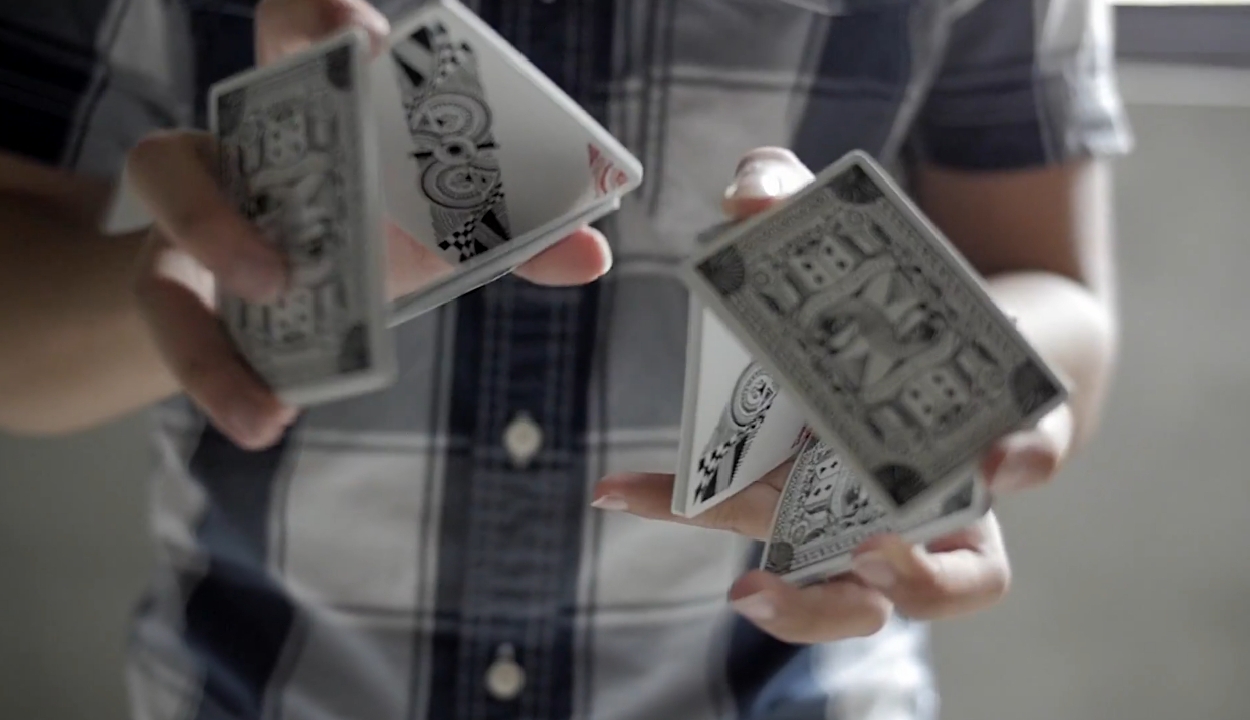
Troika is a move wherein both hands rotate to create a triangle, featured in the collection of 4 tutorials "Triplex" on New Deck Order
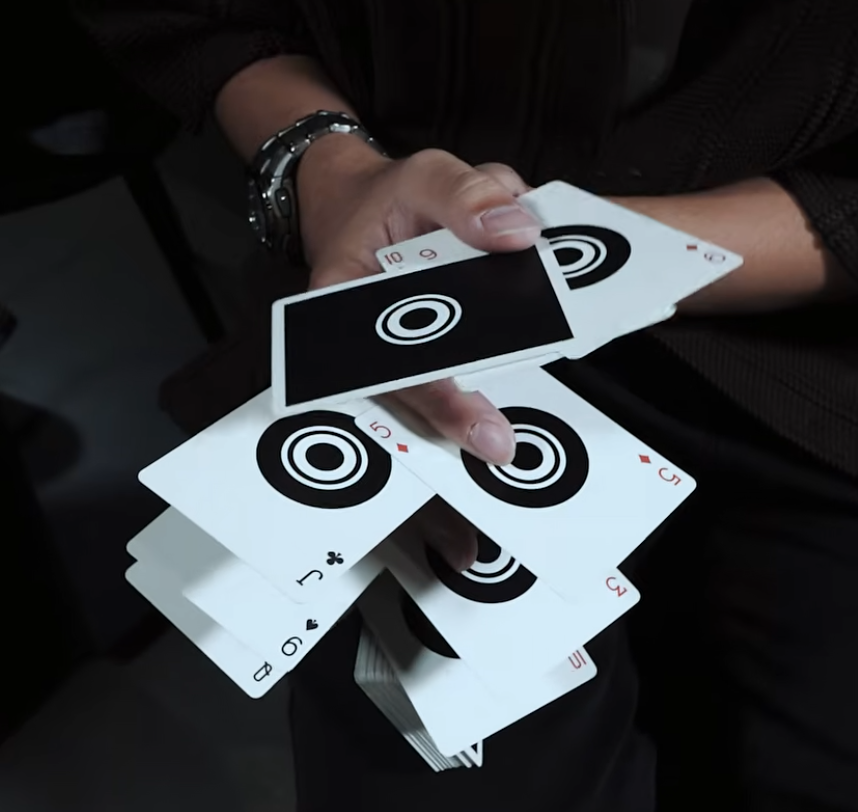
Tourbillion+ is a move that involves holding 2 cards between two of your fingers except for the thumb and index, at which point you flip over the fingers holding the two cards until the sole card that was originally at the top falls back beside the deck.
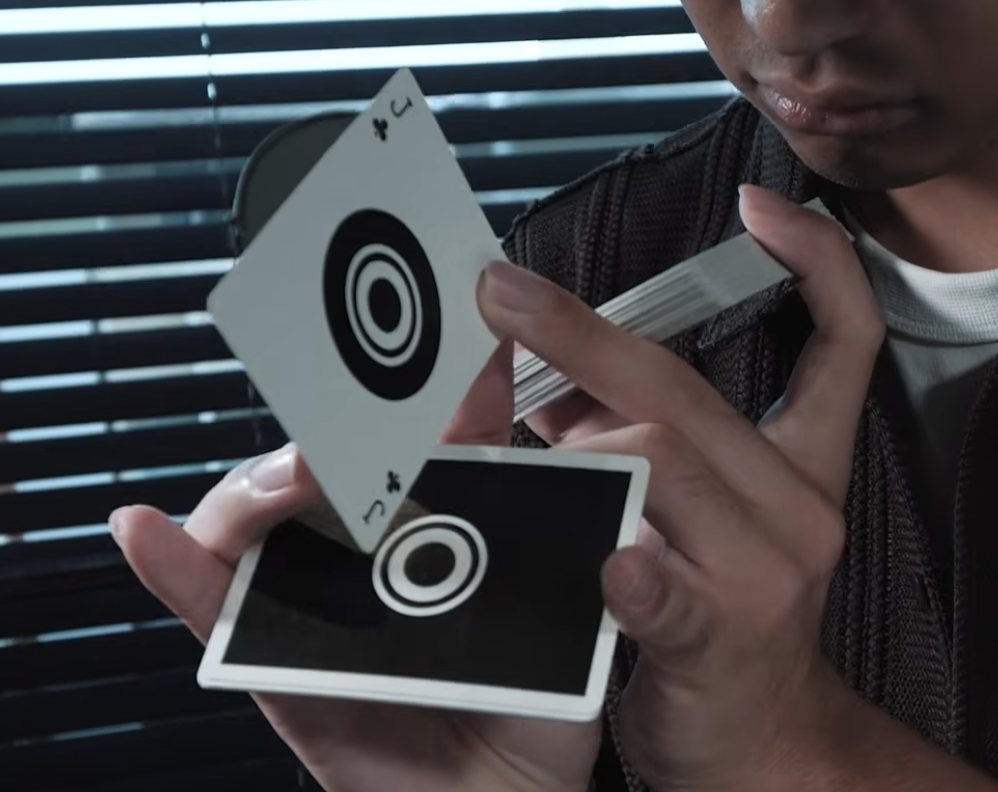
Newton's Cradle is a two handed cut created by Hyogo, featured in Industrial Revolution. It invovles a card being held between two packets, with that card undergoing a flick that changes its position rapidly to the top of the first packet. The card is then rapidly flicked back into its original position.

Industrial Revolution is a self working move where cards are dribbled off of a faro'ed packet into a unique display.
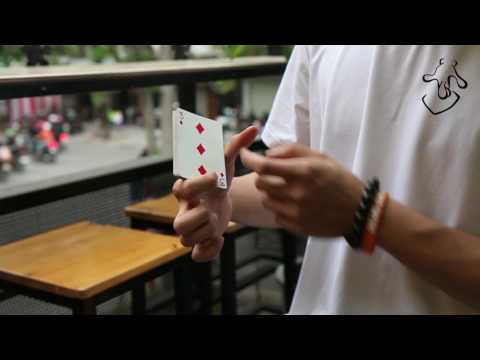
Another material for one-handed cut lovers by Cong Le a.k.a Gaolock. Hope this move is gonna be a great match for your one-handed combos.

Pinball is a two-handed cardistry flourish based on an extended Z-grip structure where a single card slides down between open packets. The card rebounds across key hand contact points like a pinball before closing smoothly with a scissor cut motion.

If you love card rotation and one-handed moves, this is one you simply have to learn! RC SPIN is one of Sergio Roca's favorite moves.
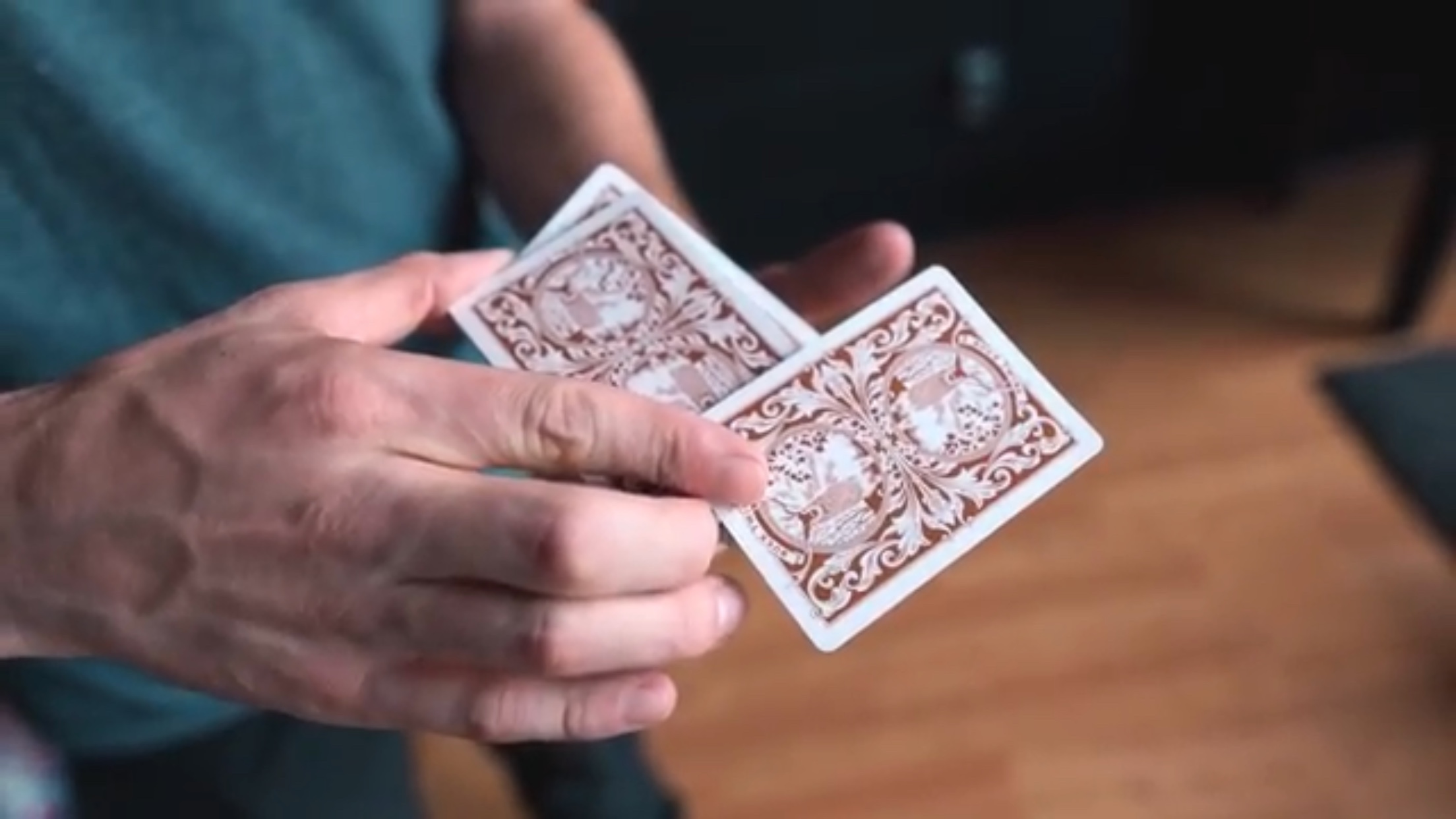
The Index Push Off is an easy, not so beginner friendly, One-Handed one card extension. It is fundamental for lots of flourishes and should be learned close to the start of one's cardistry Journey.
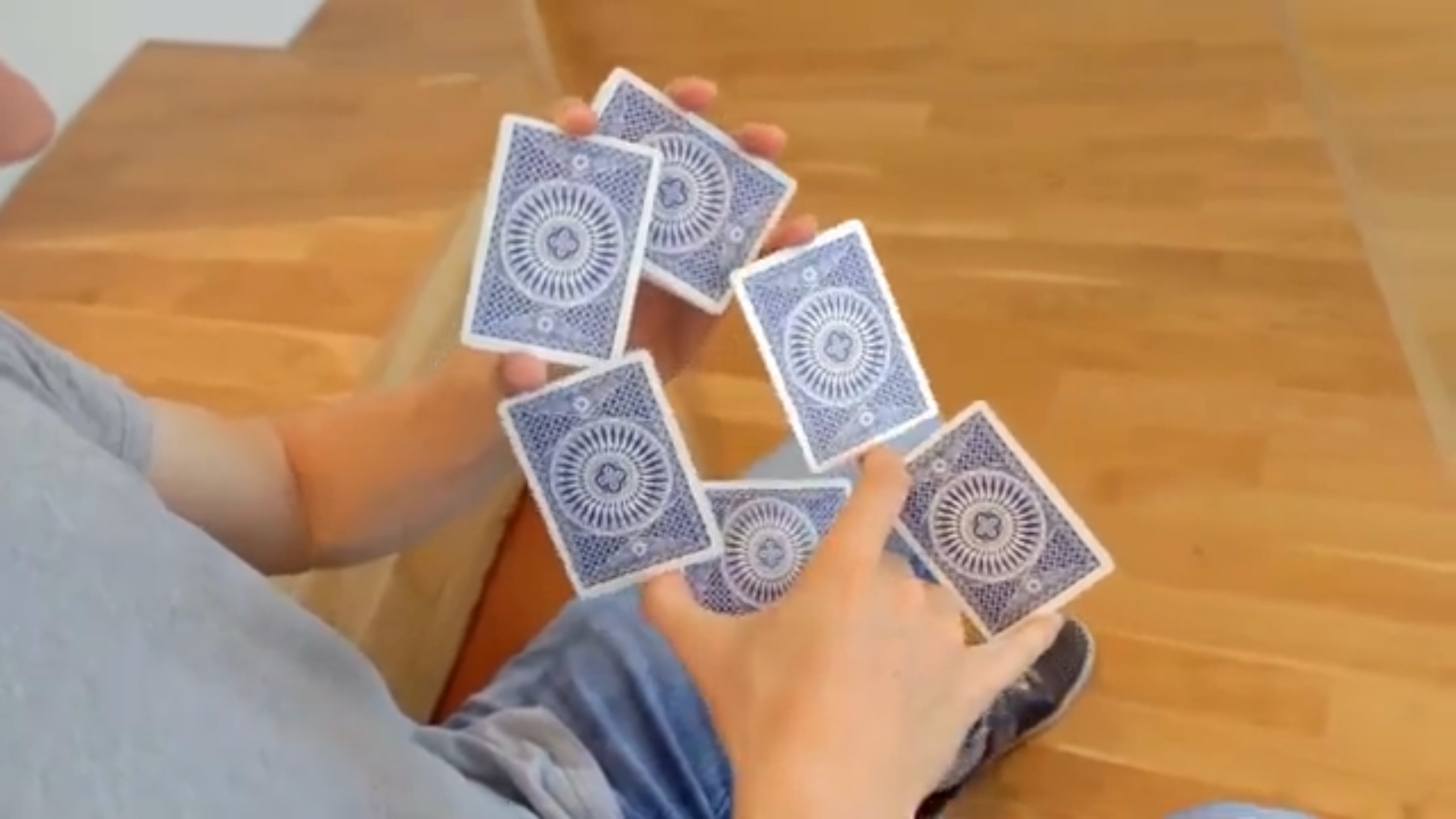
That Big Thing is a Two-Handed cut with a quick 6 packet display created by Oliver Søgård and taught in a now deleted Dealersgrip tutorial. Its closer can lead to a plethora of other flourishes.
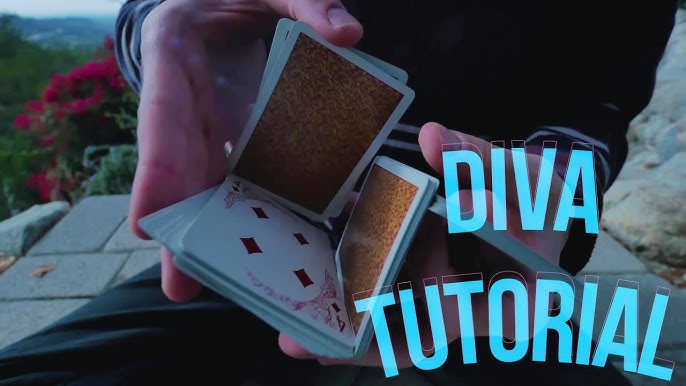
Diva is a continuous two-handed flourish with multiple packets that rotate and square up ceaselessly. "Diva is a fairly easy flourish to learn and perform, it premiered in my solo 'MAESTRO'"

A signature move from the mind of Andrei Jikh, the b4 is a multi-phased cardistry sequence that demonstrates smooth, swift card handling. Taught in 12 minutes of detailed instruction by Andrei Jikh - and filmed in high definition in theory11's Las Vegas headquarters. A unique flourish that you will have fun learning and integrate into your cardistry arsenal. This move was originally created by Andrei as an entry into one of theory11's weekly Saturday Night Contests. Needless to say - he took home the prize. You can buy the move here: https://store.theory11.com/products/b4cut-andrei-jikh

The Easy Bridge Display is a simple display of 4 packets. The packets square up leaving the deck in the opposite face position than that when it started.
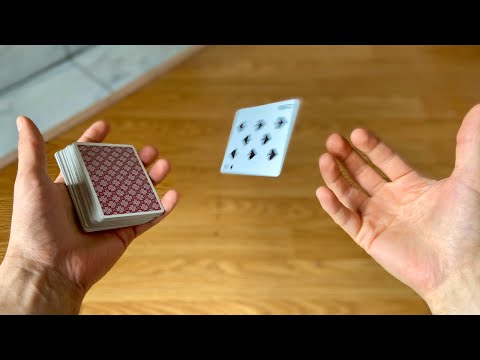
Top Shot is a move that involves shooting a singular card from the top of the deck from one hand into another hand.

Oddstyle 3 is a flourish created by Jaspas while he was experimenting with his Oddstyle grip. It revolves aroubd the rhythmic splitting and squaring of 2 to 4 pack of cards.
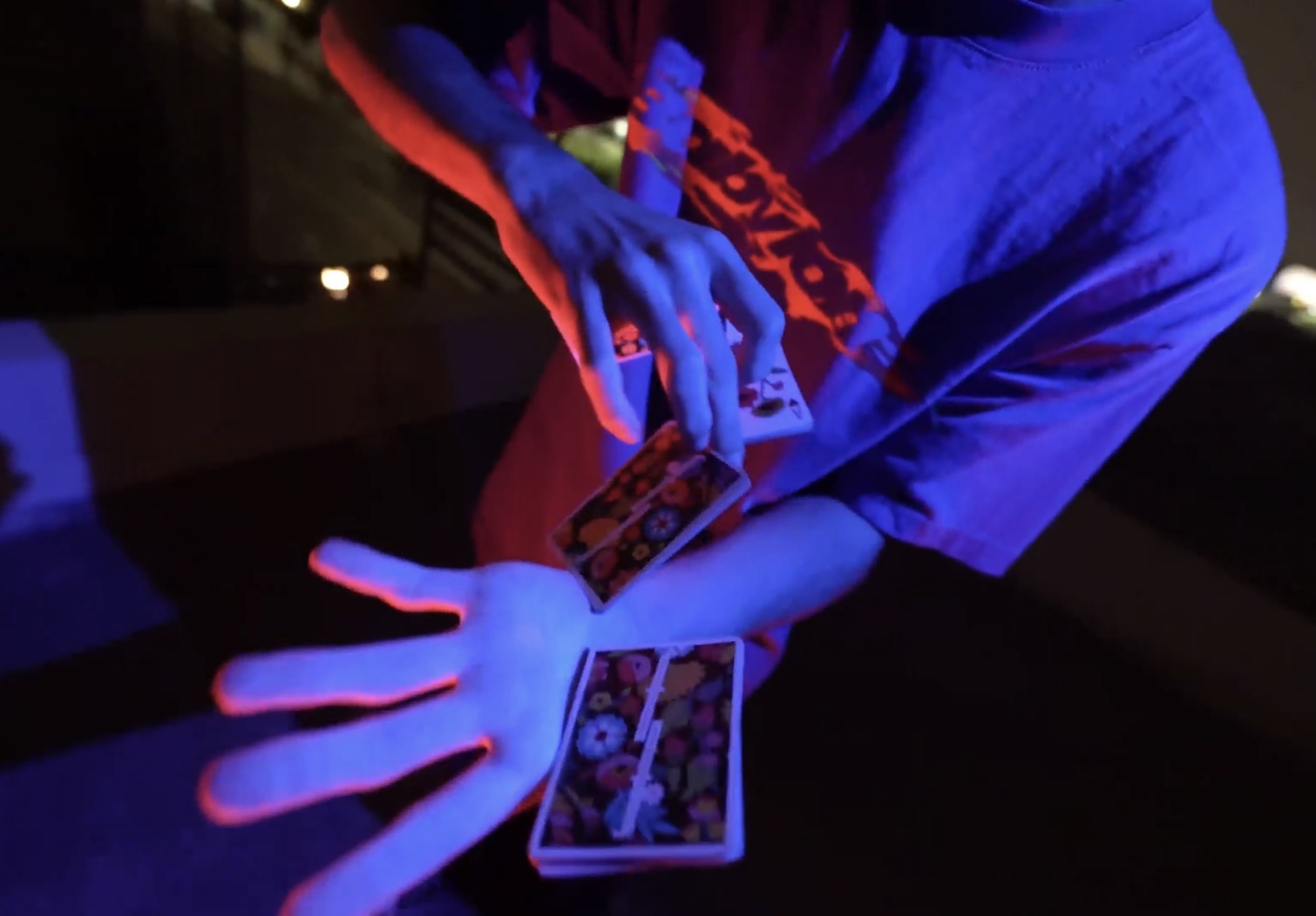
Braceface is a flourish taught by Carter in the Fontaine Files, a compilation of tutorials for original flourishes by Fontaine members and friends. Braceface is a flourish with a smooth flow and a small display and a rotating collapsing closer.

Anti-Faro is known as one of the hardest moves in cardistry, the move perfectly interlaces the cards, just like a Faro Shuffle would, but using Spring. The technique springs the cards onto an open palm, where they slide across one another and spread apart. The cards are then gently slid toward the center, allowing for a more precise grip. Anti Faro was originally created as a slight of hand move to be used in a magic routine, but changed over time to being able to perfectly and mathematically interlace the cards one by one.

Mockingod is a move in the cardistry community that is known as being difficult and taking a long period of time to fully master. Mockingod combines the moves Bobo III in the lower hand with two cards spinning in the upper hand. When done smoothly at high speeds, the cards look as if it is spinning rapidly.
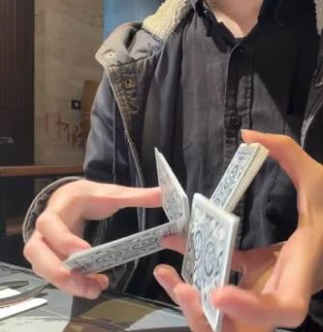
Fission was a move created by Yang Chan that was known for being extremely smooth and innovative. It involves vertically splitting a deck of cards into four parts, and then weaving and moving them around until the cut was complete. There are multiple tutorials for this move, an original one from biliblili reuploaded on youtube is here: https://www.youtube.com/watch?v=GbR6bsg27tk (Chinese) English (unoffical tutorial) is below: https://www.youtube.com/watch?v=DH1UnMcUDss (English)