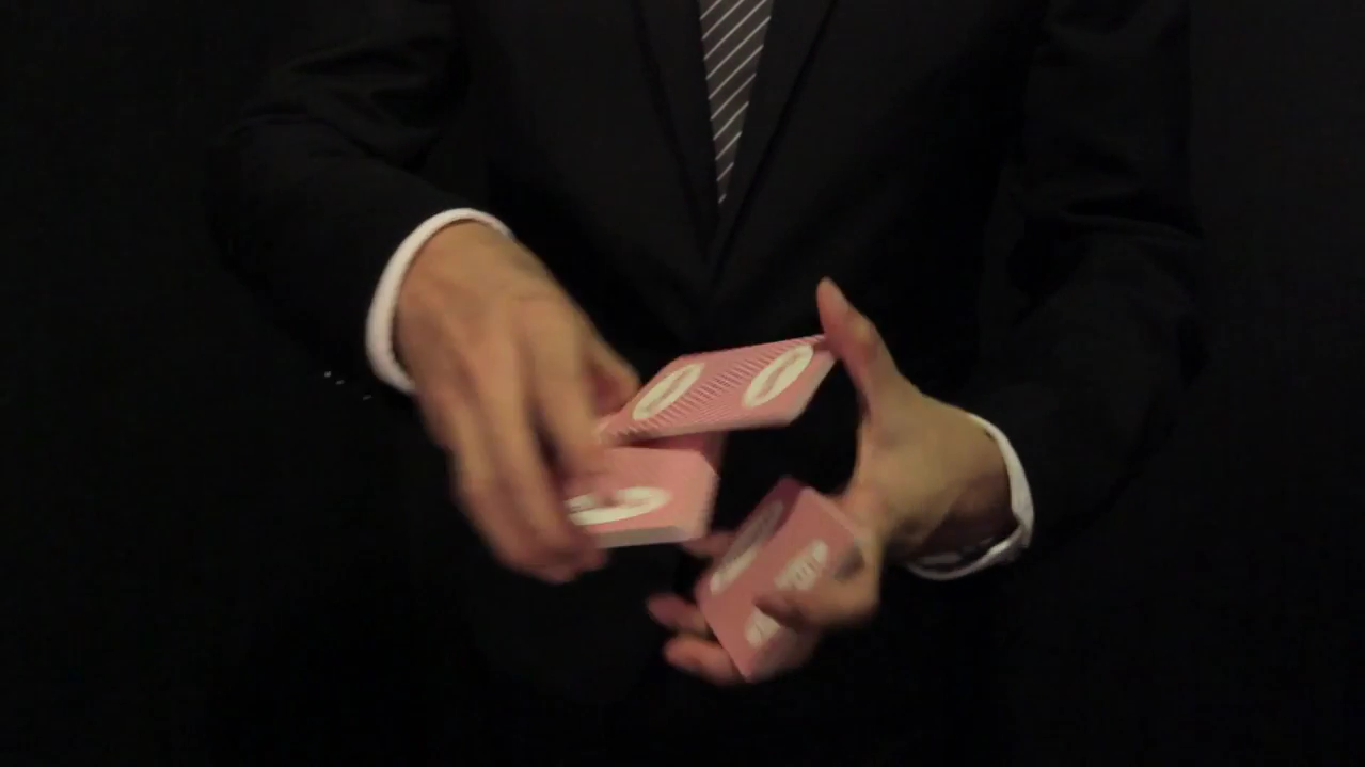
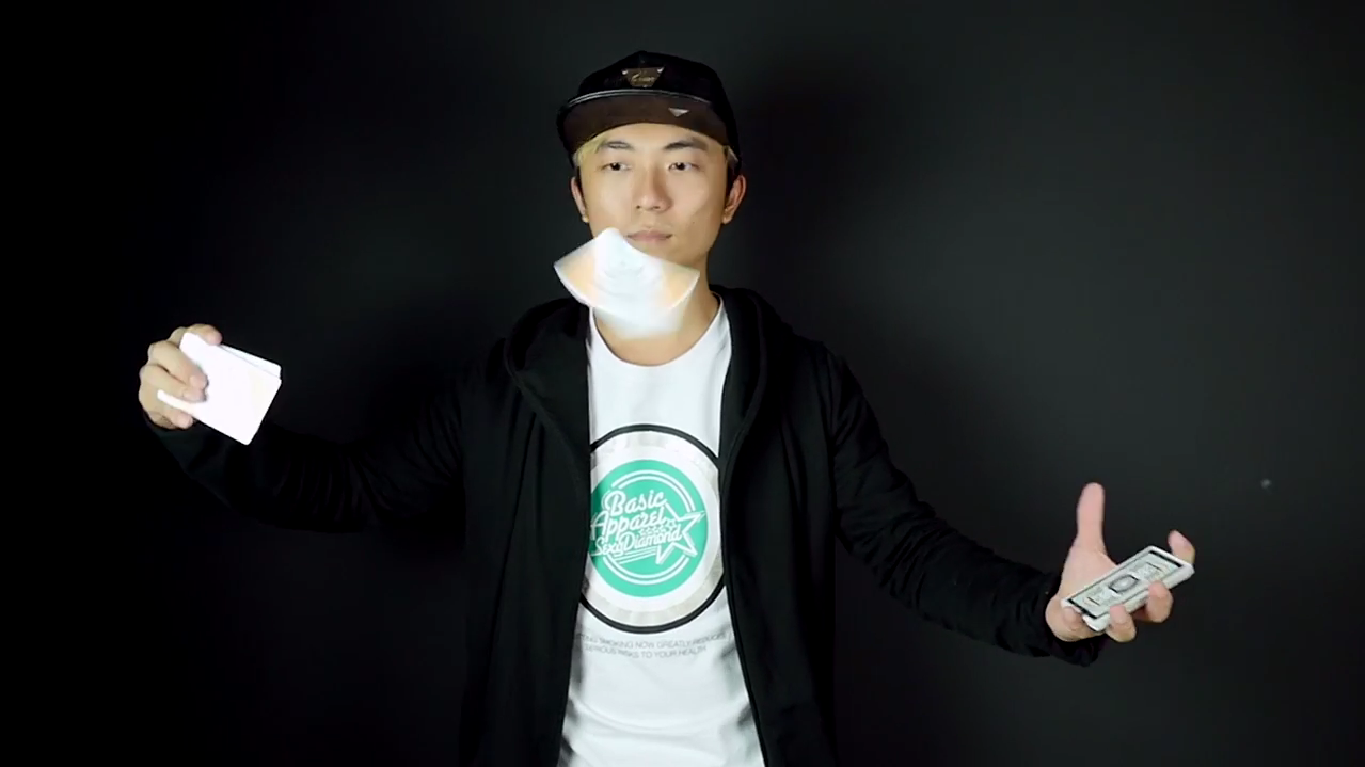
Classic, iconic moves widely recognized in the cardistry community.
47 moves in the archive
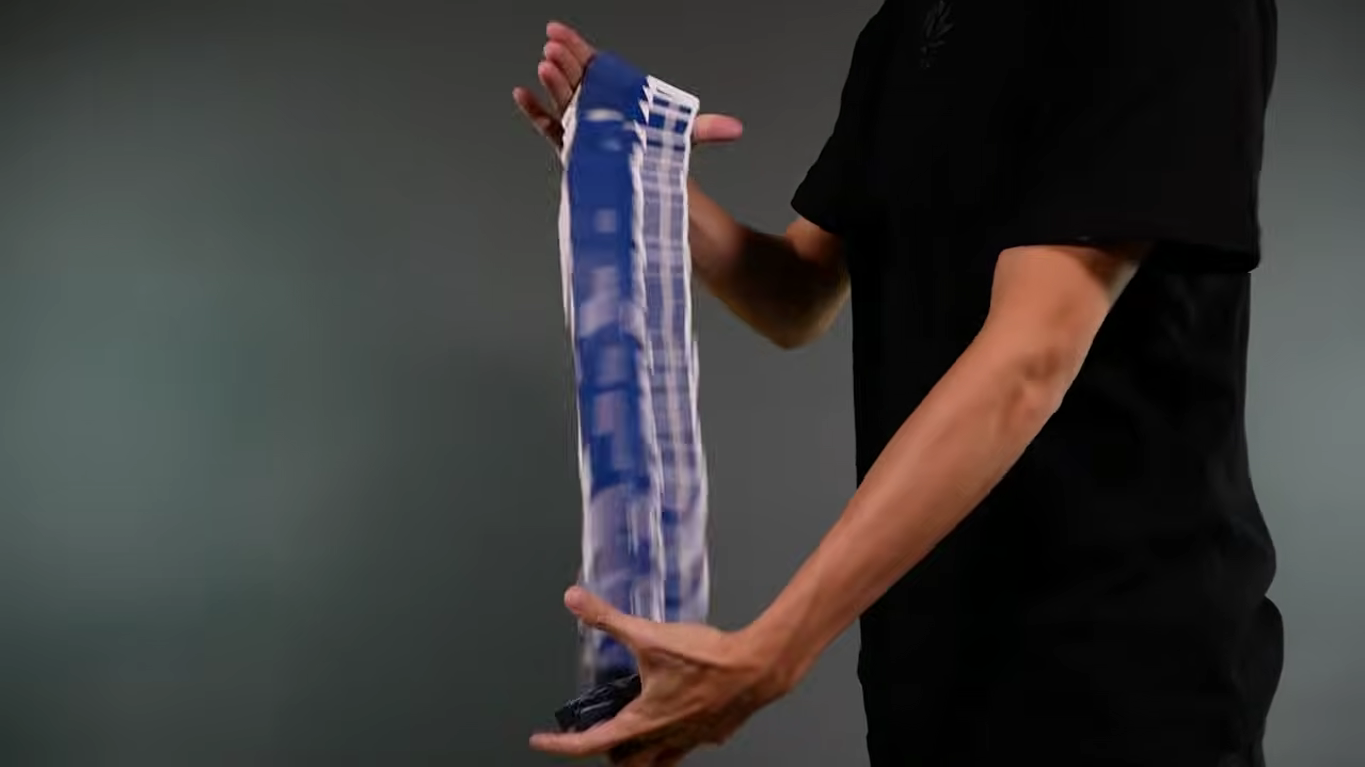
Waterfall is a aerial flourish which consists on applying pressure onto the deck and releasing it in a similar motion to spring to make each card fall individually, which resembles a waterfall with water flowing downwards.

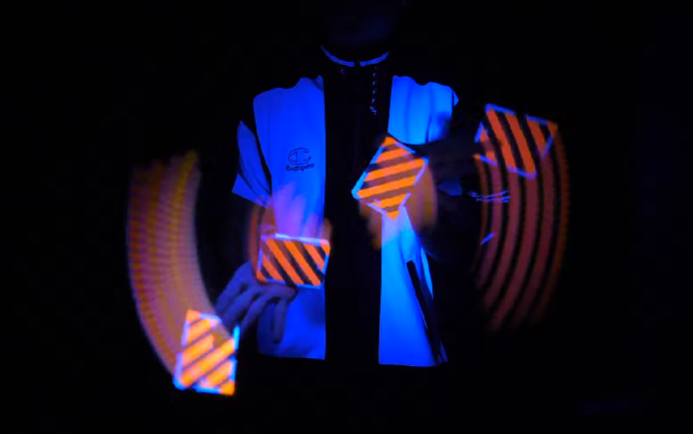
X-Cut is a simple display or twirl. The original version created by Jerry Cestkowski being a packet display and Kevin Ho turning it into a flashy twirl.
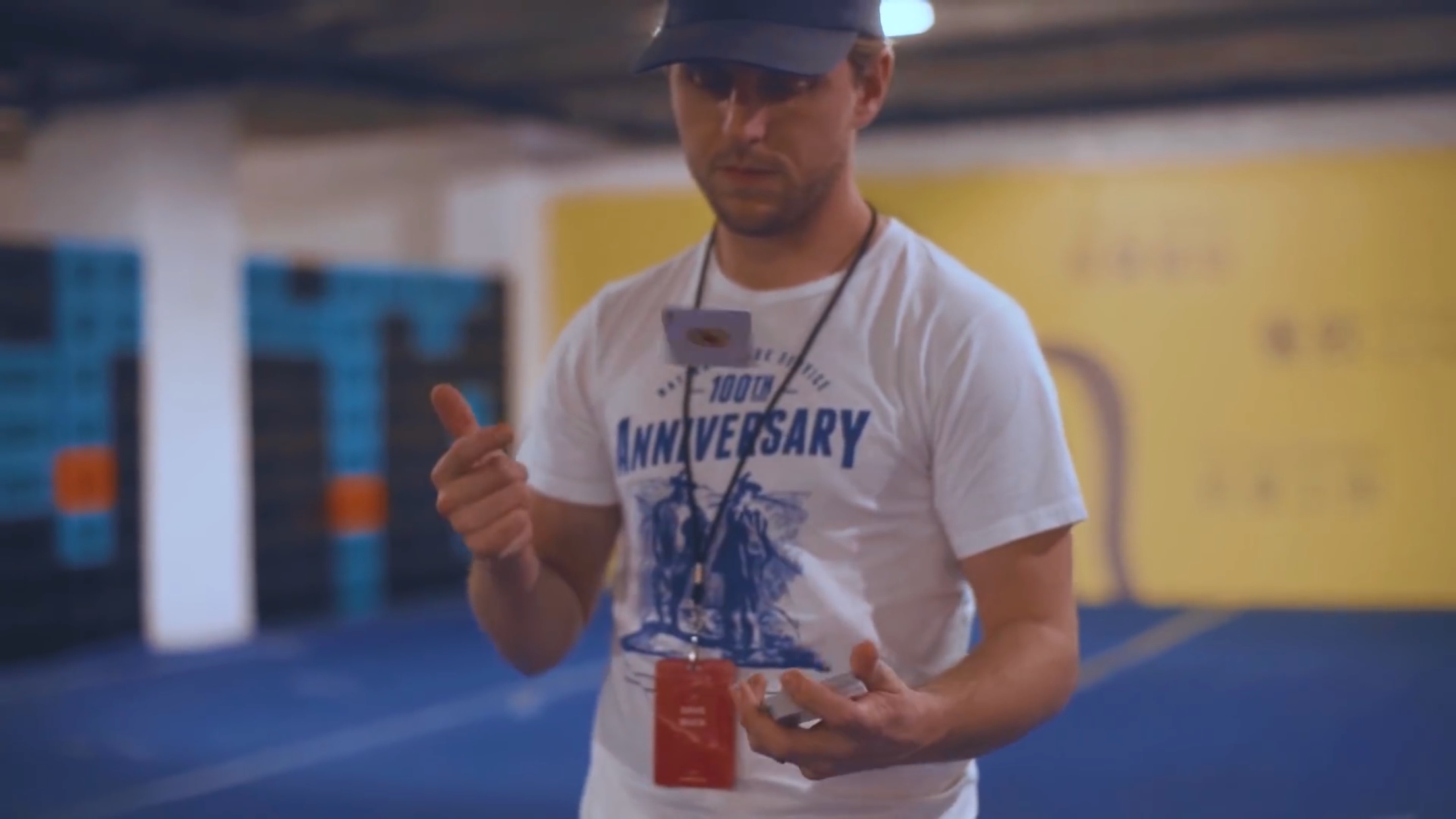
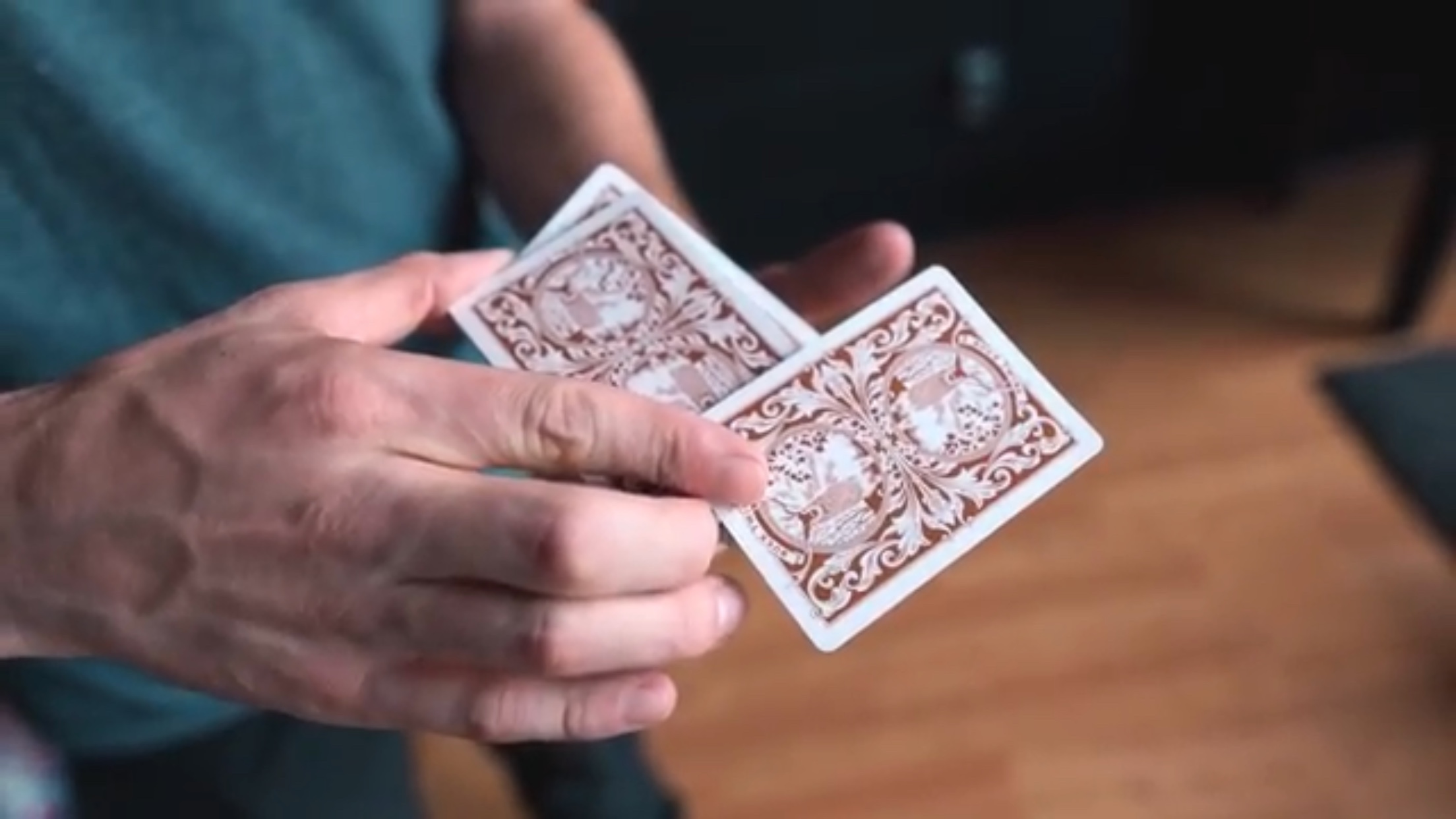
The Index Push Off is an easy, not so beginner friendly, One-Handed one card extension. It is fundamental for lots of flourishes and should be learned close to the start of one's cardistry Journey.

Pincho Extension is, as the name strongly suggests, a Pincho extension. It uses a single card extension like werm to add a "sauce" to the original Pincho. Taught by Oliver Søgård in the Dealersgrip channel in a tutorial video.
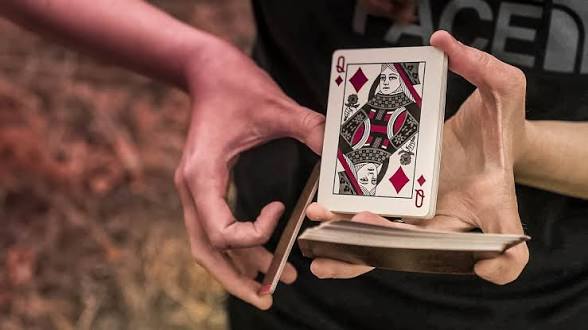
Nimbus is a cut consisting of three spinning packets. The move first debuted as part of the NB3 project (short for Nimbus, Bowtie, and 3D), released by Theory11 on its online store, and was later made publicly available on YouTube on October 4, 2013, through the Theory11 channel. If spinning the packets proves difficult, using a thinner deck or a partial deck is recommended.

Cobra Cut is a difficult one handed cut named after the cobra due to its resemblance with the attacking motion of a real cobra.

Palm Shift Isolation is a simple, fundamental isolation flourish that marked the beginning of isolation-based flourishes. A single card is held by its long edge with the fingers while the thumb slides it across the palm. The wrist is then rotated, allowing the fingers to regrip the card along its long edge and return to the starting position, ready to repeat the motion.

A static geometric display created by Dominic Witt in 2013 for The XCH Project. Inspired by Andrei Jikh's architectural style, it features a clean, two-phase opening that transitions from a crosswise grip into a 5-card-edged structure.

A signature move from the mind of Andrei Jikh, the b4 is a multi-phased cardistry sequence that demonstrates smooth, swift card handling. Taught in 12 minutes of detailed instruction by Andrei Jikh - and filmed in high definition in theory11's Las Vegas headquarters. A unique flourish that you will have fun learning and integrate into your cardistry arsenal. This move was originally created by Andrei as an entry into one of theory11's weekly Saturday Night Contests. Needless to say - he took home the prize. You can buy the move here: https://store.theory11.com/products/b4cut-andrei-jikh

Hot Shot is a aerial card shot that makes the card glide in the air by the action of the middle and pointer finger flicking it from the dack.

Table Riffle Shuffle is a professional, efficient card shuffling technique widely used in magic, casinos, and competitive card games. It is performed on a table surface by riffling the long edges of the cards. Unlike the standard Riffle Shuffle, this method is less prone to exposing cards to players, making the shuffle more discreet.
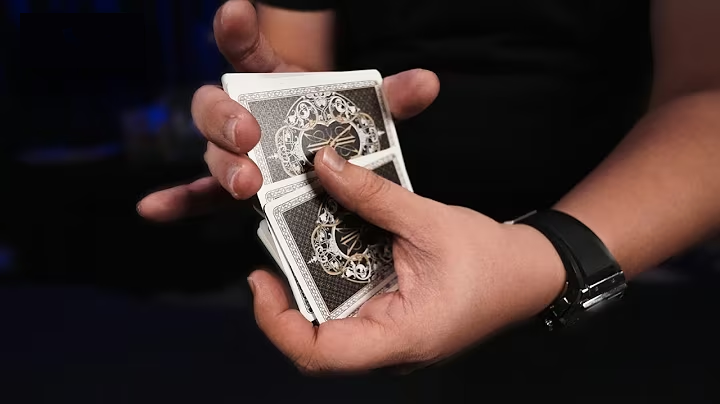
Overhand Shuffle is one of the easiest and most common ways to shuffle a pack of cards. It's a great shuffle for magicians to use since lay people are already familiar with it, and because there are some great controls and false shuffles that can be done while shuffling the deck in this manner. The shuffle is commonly used in western countries. References The description above is adapted from the 52Kards video, https://www.youtube.com/watch?v=A0J_487VquE

Charlier Triangle, also known as the Triple Charlier or Delta (not to be confused with the two handed false cut Delta), consists of creating a triangle in one hand. This can be done with the other hand at the same time to create a visually interesting pattern.

Mantra is one of the greatest one handed cardistry of all time. The move itself involves cutting a deck into two halves, then holding the lower packet in the lower part of your hand. The upper packet is then split into two using your thumb, simultaneously dragging out a single card out and then later combining the middle and lower packet together, flaring out the single card.

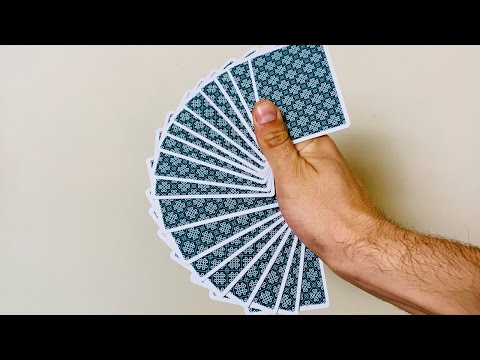
A beautiful one-handed fan. Can also be done with both hands.


Giant Fan is a variation of the thumb fan that uses interlaced cards to create a larger fan. A popular variation is to significantly rotate the top packet inward before performing the fan. References the variation's presentation, Youtube Short, https://youtube.com/shorts/B1mbZbHqwfM?si=1lJ4b5ddkx8qawmu