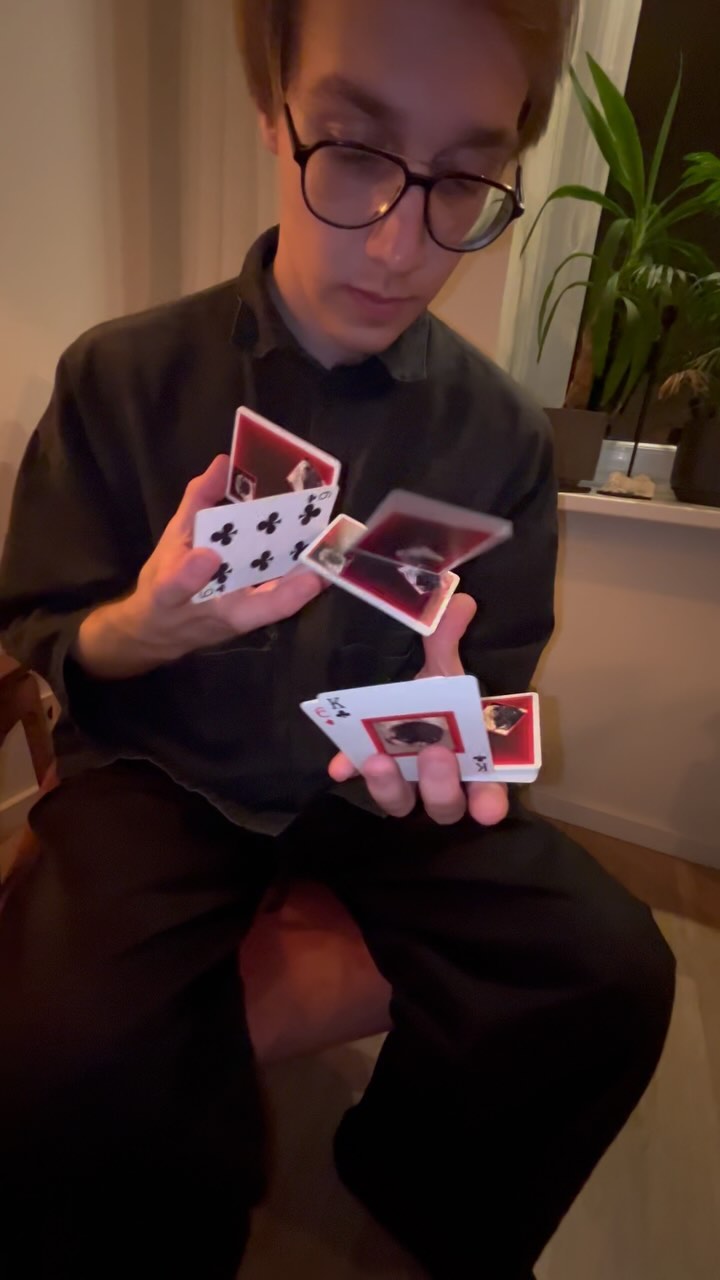
377 moves

Triforce, also known as Russian Pyramid , is a pyramid-shaped display made of three closely connected triangles. Two building methods are commonly used: Using the long edges of the cards. Using the short edges of the cards, resulting in a taller structure. References Ekaterina using this name in the film and in its title, https://www.youtube.com/watch?v=B27aJaIBfZk&t=17s sedimental channel, https://www.youtube.com/watch?v=4YsemigJrBs

Holy Grail, less commonly known as Azlan’s Cut, is a construction-based display featuring a diamond-shaped structure framed by packets at the top and bottom. It is built step by step by pushing successive groups of cards back into the deck, then completed with a single motion that "unlocks" the entire structure by spreading the fingers. The move was first presented at Cardistry-Con 2025 in New York. References this name was used in the description of the Cardistry Con 2025 premiere (move number 25) https://www.youtube.com/watch?v=bhjmmJpHpM8

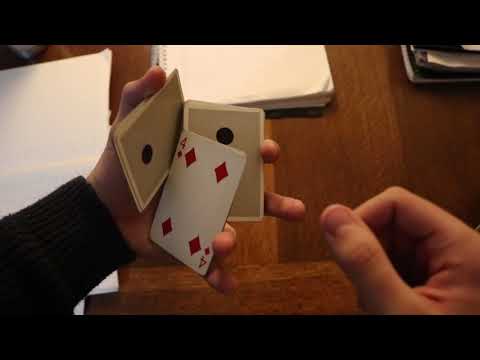
Smorgasbord has virtually no standard grips and some very odd mechanics, which means I needed to make the specifics of this cut sink in as much as possible -- Beckett Behel

I encourage you to learn Rust to a decently competent level before attempting Rust 2.0. Also make sure the deck you use is broken-in. It can be done with new cards, but it would save you a lot of trouble if you don't do that right away. -- Beckett Behel

This was actually one of, if not the first cut I created (my memory gets a bit hazy with cuts from that time). Back in mid-2015, I'd been doing cardistry for about 6 months and I had this cut minus the closer. Luckily, I happened to see a cut by Hisnent (one of my all-time biggest inspirations) where he closed packets at the end like a book. I simply took his closer and made a slightly "flow-ier" version for my own cut. -- Backett Behel
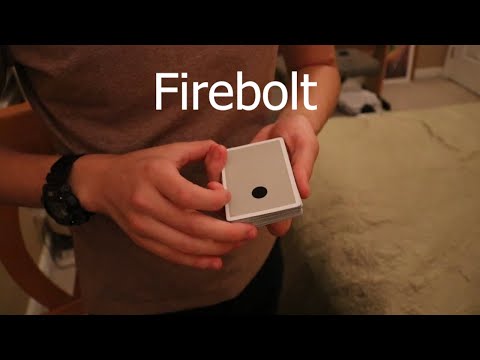
The creator wanted to playfully poke fun at a rival cardistry move named "Nimbus." In Harry Potter, the Firebolt broomstick outclasses the Nimbus, so he chose the name to jokingly suggest his cut was better and faster.

Blackhawk is a move where a single playing card is shot from the back of the hand, spinning through the air to create a visually stunning effect.
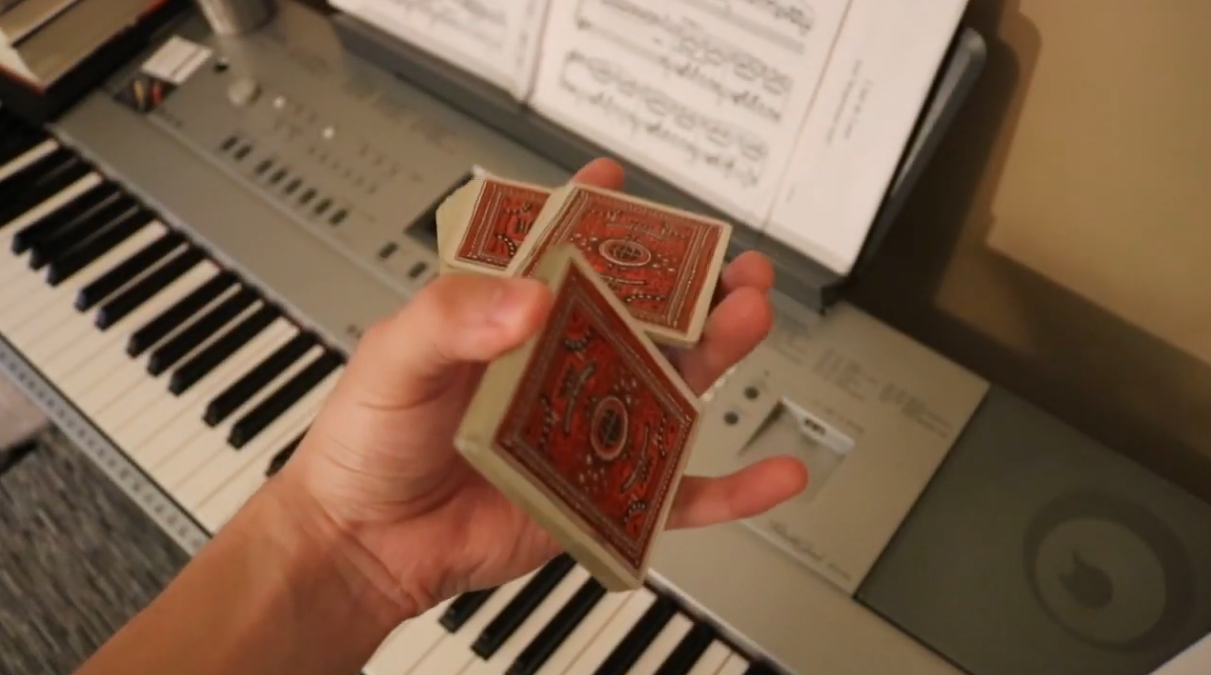
The creator named the foundational move Feldspar simply after the mineral, just because he thought it sounded pretty cool.


Cadence is an intricate move composed of multiple packet cuts, displays, and unique flows. This move won Move of the year 2025, awarded by Cardistry Con.