377 moves

Under Pressure is a fan flourish in which the cards flow smoothly from one hand to the other, creating a graceful wave-like motion. The cards are spread in the same way as in a Pressure Fan. However, once the fan reaches an angle of approximately 45–90 degrees, the deck is no longer rotated. Instead, pressure is continuously applied while the cards are gradually released from the fingers at the corner, allowing them to flow smoothly into the non-dominant hand, which gathers the returning cards.

Pressure Fan is known as one of the most satisfying fans in all of cardistry. You put pressure on the right part of the deck and then continue to fan out the cards entirely, creating a semicircle. The cards are released by the fingers at the corner of the deck.

Boooom is an elegant two handed cut that ends with a 4 card / packet display.
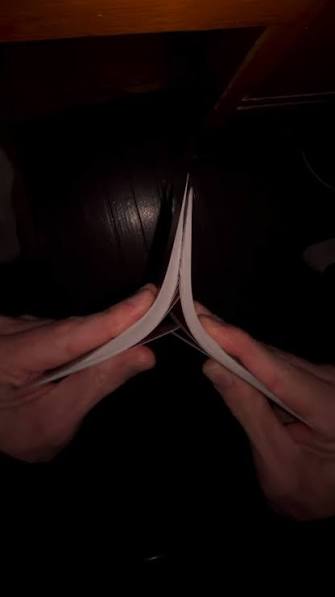
Faro 2 is a unique move that involves splitting the deck into two pieces, then spread them out. After this, interlace the two halves together by bending them into each other. You can then perform a bridge, or go into another move.

Fireworks is a unique flourish that does a spring whilst in the middle of a two handed cut. The original move was created by Haider Ahmad, with some additional closers being done by Koa Rabang. ]=
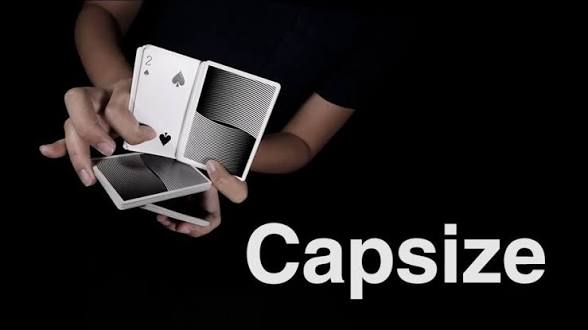
A flourish that has first appeared at the first round submission from Daniel Lin for the Cardistry Con Championship 2016. The flourish has 2 packs of cards tumbling and falling to make a quick 3 packet display with alternate back and face sides appearing before closing.
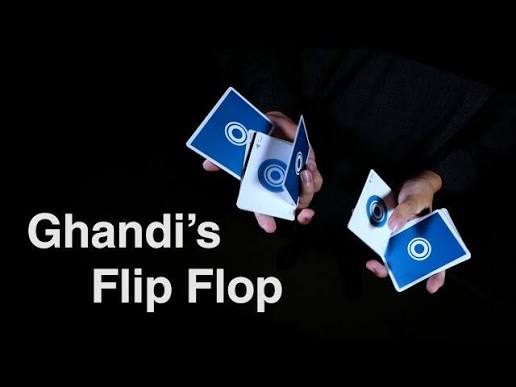
Ghandi's Flip Flop is a flourish that revolves around a packet and then a single card recursively flipping and going around a principal pack of cards. Debuted in the cardistry video Power Play. The tutorial for this flourish was posted in Lotus in Hand's Cardistry Bootcamp tutorial series in which he focuses on teaching cardistry for newbies and intermediate cardists.

Flop is a twirl flourish that involves one card rolling around a finger and returning into a charlier position. Its tutorial was posted as part of the Cardistry Bootcamp tutorial series from the channel Lotus In Hand.
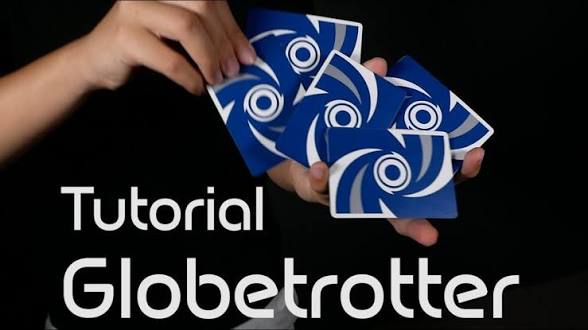
Debut for the first time at the second round of the Cardistry Con Championship 2016. Globetrotter is a moving display that revolved the movement of 2 cards around a "globe"
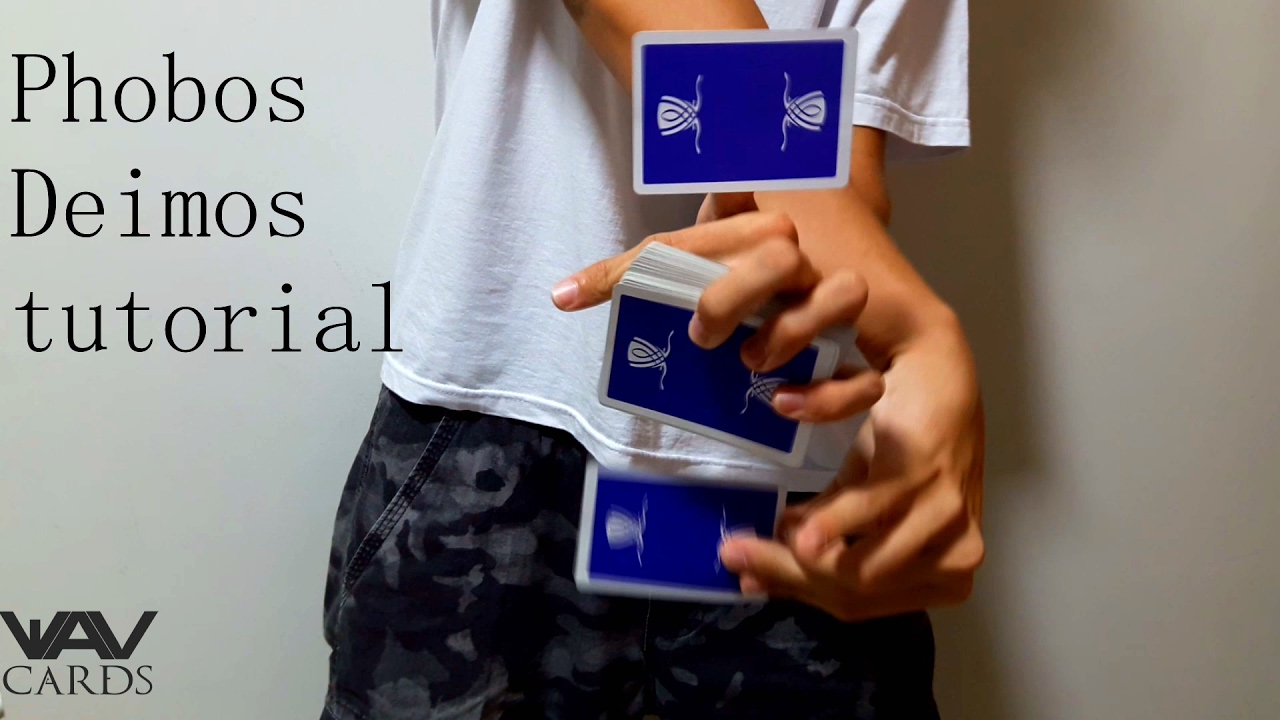
Phobos Deimos is a move that revolves around floating cards and rotations. The cardist must first angel one card with one hand then hold another singular card in the lower hand. Then, both cars are displayed outwards towards the viewer. The deck is then rotated, with the card being "angeled" on the top thumb staying roughly in the same position. Then, the angeled card is moved downards along with the bottom hand moving the lower card upwards.

Sange is one of Daniel's original moves that he has posted on the channel Lotus In Hand. It is a cut that can be easily utilized in combos and can also be done continuously.
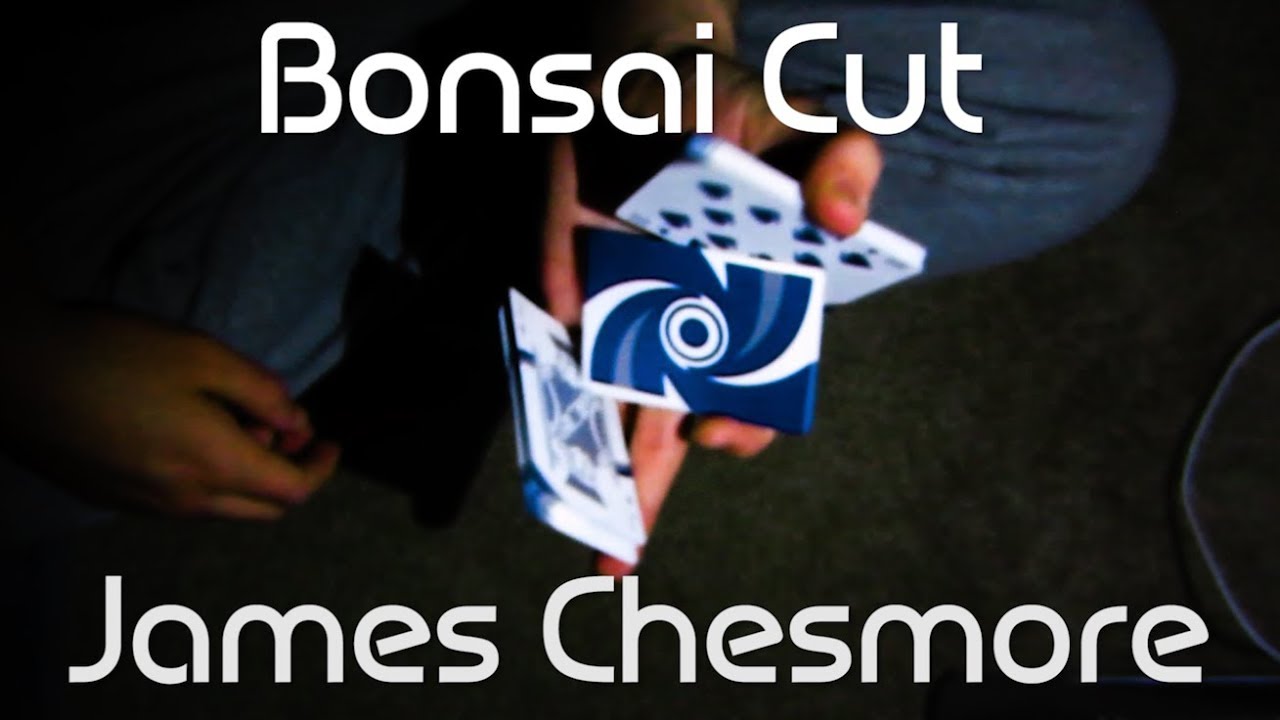
A One-Handed flourish highly inspired by Tobias Levin's Waves. A flowy move that takes waves' idea and makes the packet slide in a fluid motion to the other packet.
