409 moves
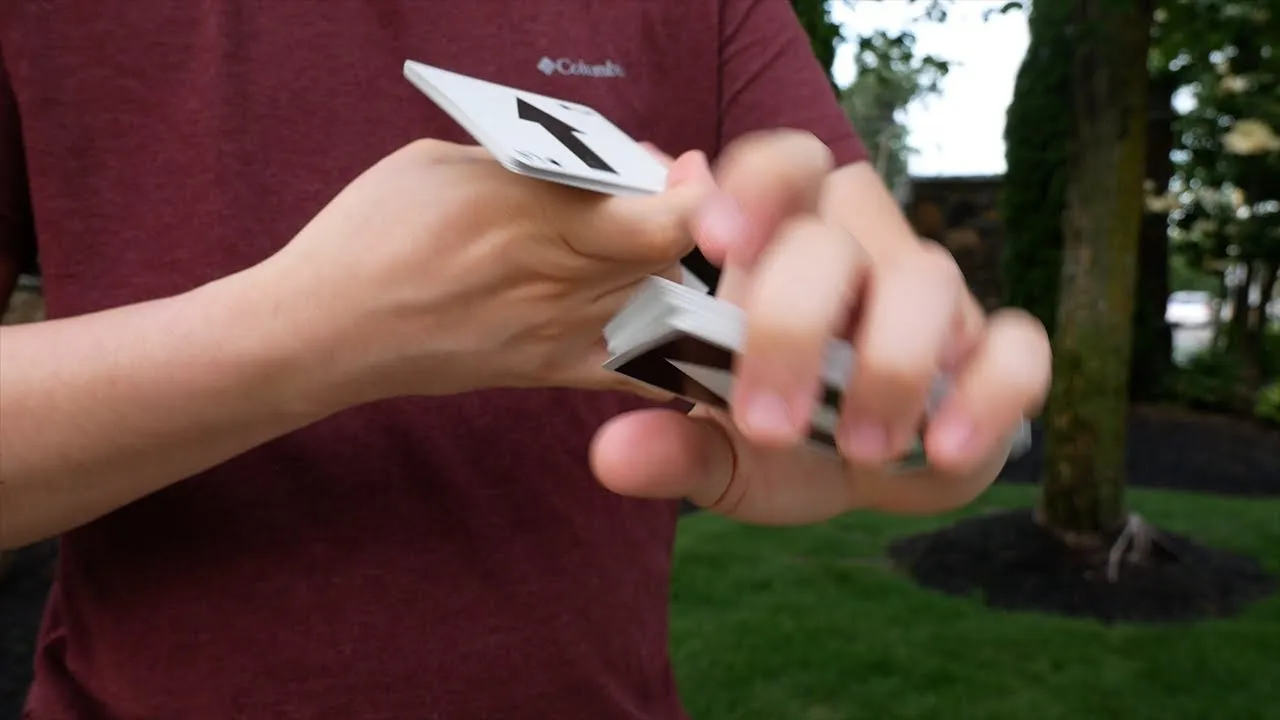
An early version of this move first appeared in PURE, and its final form debuted in Test Room. Its origins stem from a one-handed cut I came up with in college that I didn't know what to do with until I had the idea to combine it with a Jaspas mechanic that he used in his video Passion. For those of you familiar with Snake Charmer, Satellite is that cut's predecessor. Same opener, different paths. - Kevin Ho
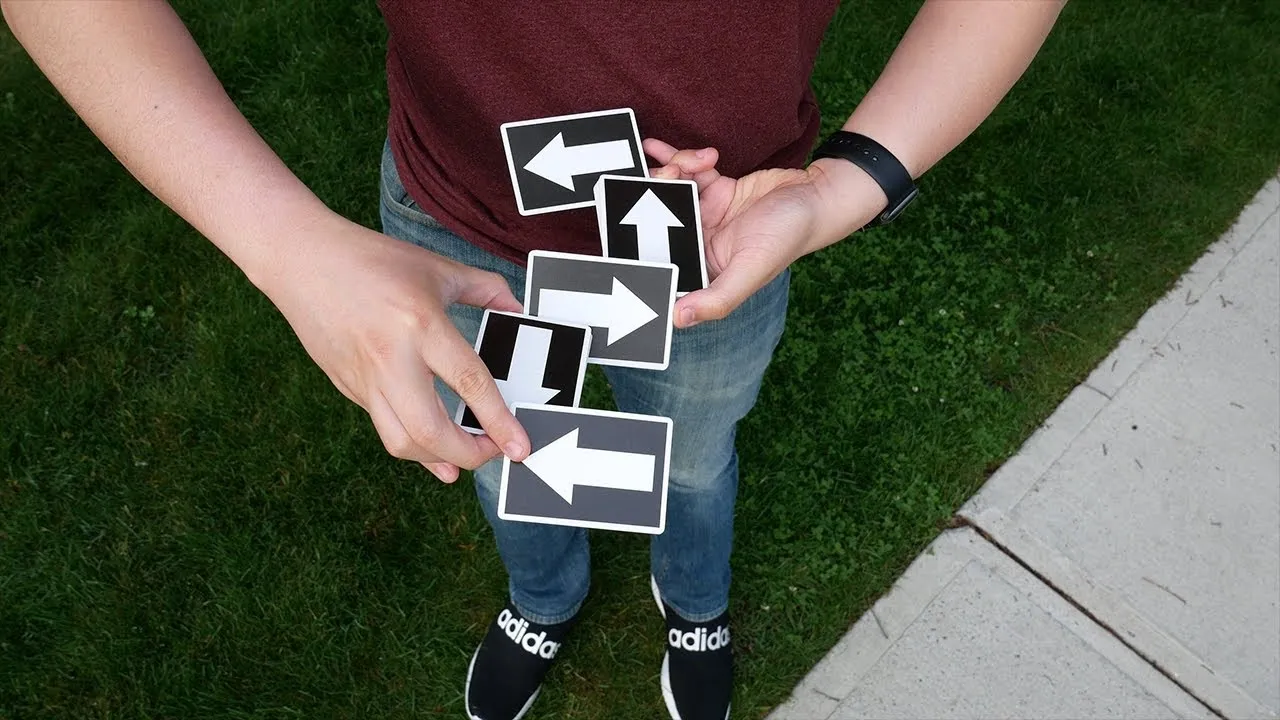
What if you could do The Werm... but faster? Instawerm is the answer to that. Practiced well, you can get in and out of it so fast that its effects will almost seem subliminal, causing your spectators to question whether they just saw you whip a large snake-like thing out in front of their faces. Um, perhaps I could've phrased that better... - Kevin Ho

A corner spin with a little kick to it, very fun and visual. For more tips: https://www.youtube.com/watch?v=S-RTTWZYS7c

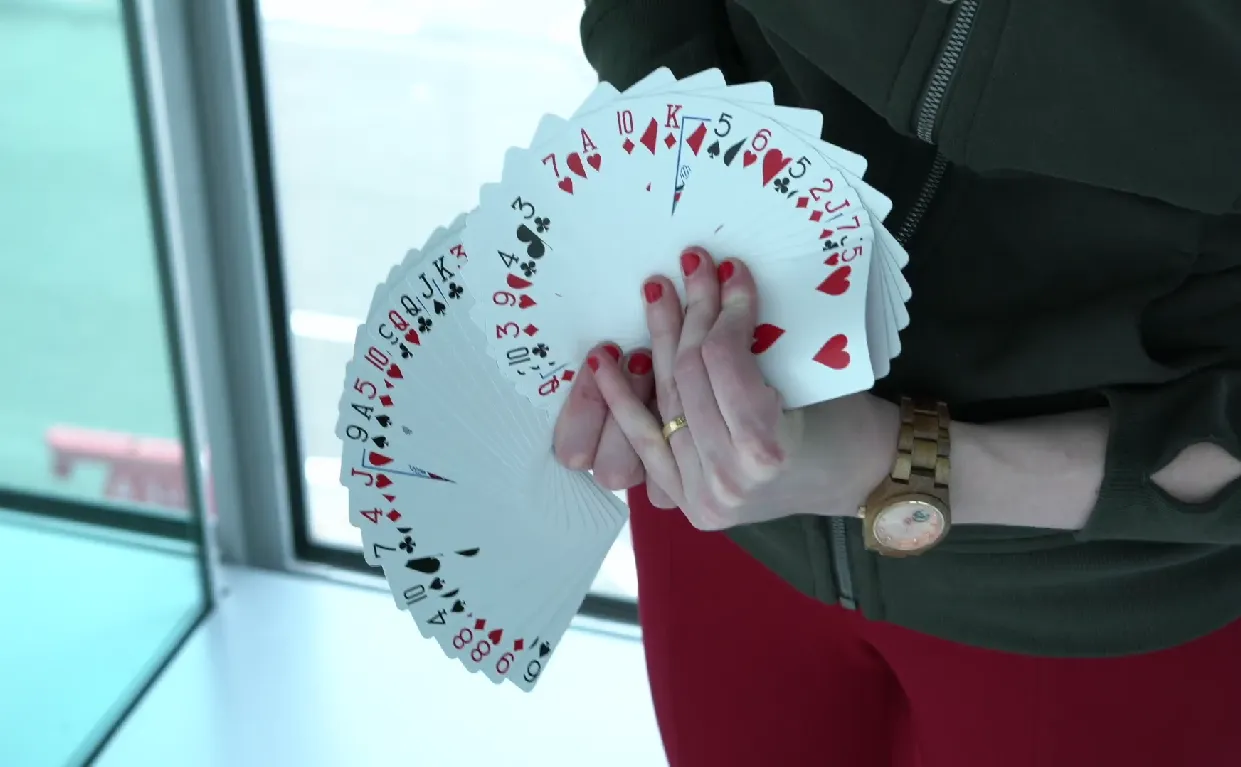
The Siamese Fan is an easy yet flashy fan, one of the few moves that can impress a layman.
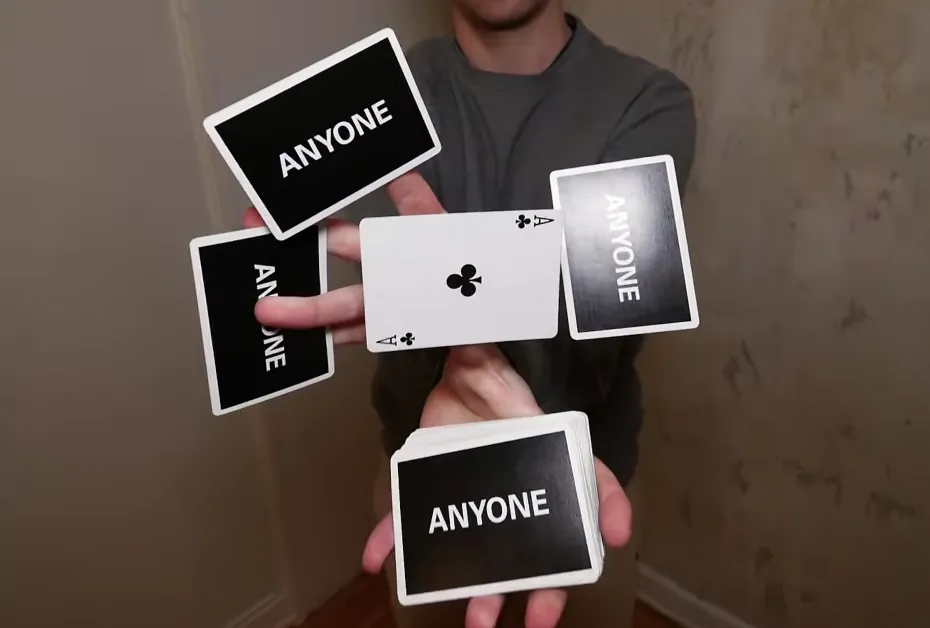
Spatium (aka Spatchum) is a 3-phase isolation reminiscent of Phobos Deimos, despite being created before Phobos Deimos. Noel Heath once said in an interview that Spatium was one of the first moves he created alongside Virus. The two names of Spatium came from how the two tutorials referred to it with different names, specifically the cardistry high tutorial referred to it as Spatchum, but in the newer A1 demonstration, it was called Spatium. Tips Spatium uses a large amount of angels in the move, and with all of them being done very quickly with no room to breathe. It's recommended for beginners to find a way to make the tips of both of your thumbs and your index as sticky as possible. Some practices involve licking and then drying those fingers; however, this is not an advised approach, especially once the trick has been mastered.

Pinball is a two-handed cardistry flourish based on an extended Z-grip structure where a single card slides down between open packets. The card rebounds across key hand contact points like a pinball before closing smoothly with a scissor cut motion.
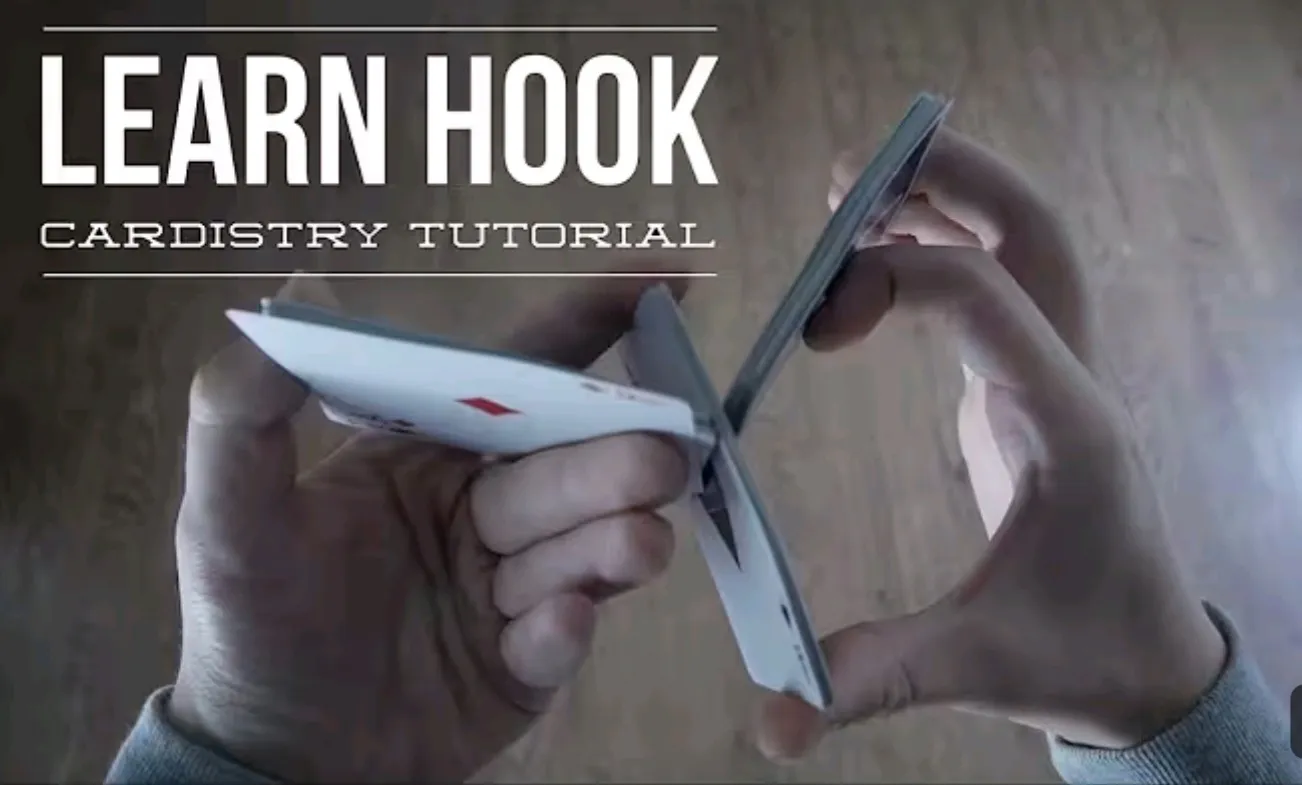
Hook is a three‑packet cut distinguished by a sharp, hook‑like visual that occurs at the midpoint of the flourish. History Zach Mueller noted in the description of his tutorial, regarding the history of the move: This flourish was heavily inspired by Tobias and Oliver - when they stayed at my house in April, I really got into 3 packet cuts. There's a certain aesthetic to a cut with only 3 packets throughout the flourish that I really love. Tobias describes these as feeling more 'premium', and I would have to agree. There's something nice about 3 packets which move around each other without any additional packets being broken off, or single cards just randomly extending off of a packet. Transfix and Tailormade specifically were two I was very inspired by, and I was determined to make my own 3 packet cut. This was the result! The beginning is very inspired by and reminiscent of Michael James' Collector, which you can learn on his DVD, Solo. The ending is inspired by Borolo 2 by Nikolaj, which you can buy in his B-Bundle download on dananddave.com.
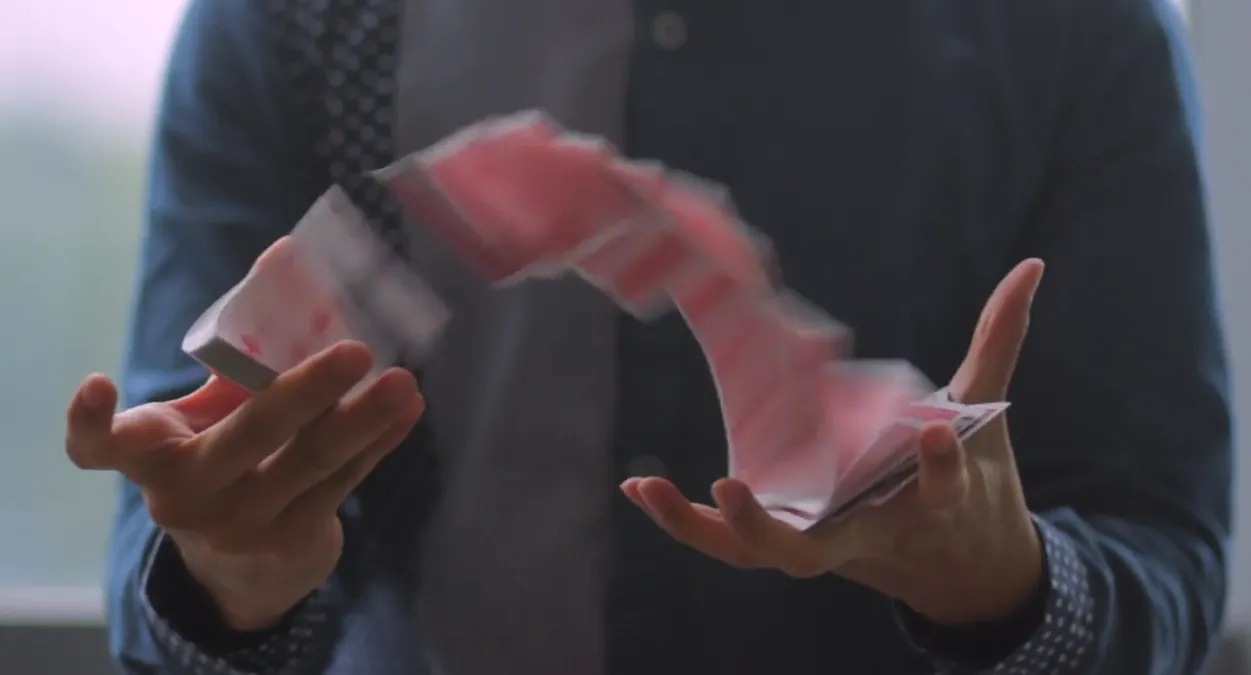
Rainbow Spring is a variation of the Spring, which springs cards in a rainbow-like arc. The move was first officially presented in his YouTube video THROUGH SILK (WKC 2013/2014).

Description 7-packet Namnlos is a variation of the normal 5-packet Namnlos cut created by Birger Karlsson. First Digital Appearance The first YouTube appearance of this cut was on the 14.04.2018 in a tutorial video by School of Cardistry. However, earlier appearances on other platforms may exist. Etymology Same as for 5-packet Namnlos. Additional Information 22 days before the official tutorial, School of Cardistry released the trailer for their new Broken Borders deck. The following weeks, they released a total of 14 tutorials featuring several cardists to showcase their newly released deck.

