247 moves
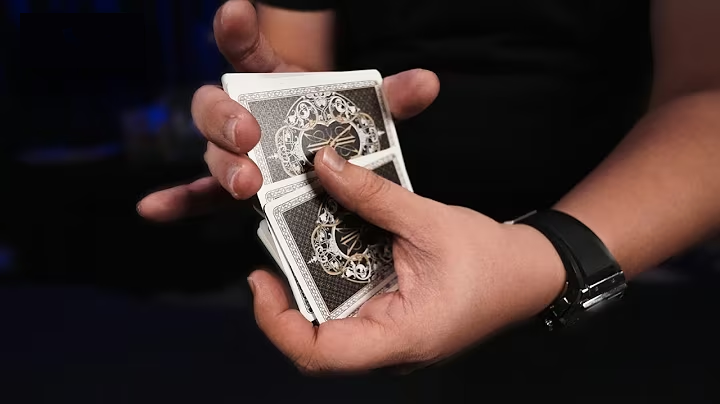
Overhand Shuffle is one of the easiest and most common ways to shuffle a pack of cards. It's a great shuffle for magicians to use since lay people are already familiar with it, and because there are some great controls and false shuffles that can be done while shuffling the deck in this manner. The shuffle is commonly used in western countries. References The description above is adapted from the 52Kards video, https://www.youtube.com/watch?v=A0J_487VquE

Strip Cut, also known among dealers as the Box Cut, is a professional table shuffle used as an official part of the shuffling procedure in competitive card games such as poker tournaments. The move begins by lifting a substantial portion of the deck with the non-dominant hand, then systematically stripping off small packets onto a pile on the table.
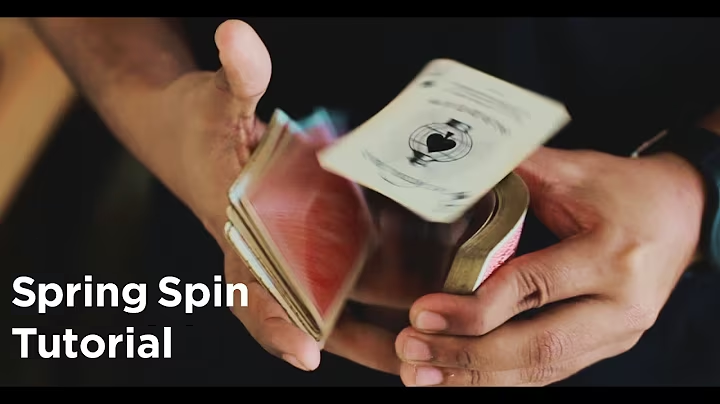
Spring Spin is a flourish that adds a card on top of a normal spring. This additional card rapidly spins during the spring, set in motion by the cards being shot out and balancing on the edge of the deck

Under Pressure is a fan flourish in which the cards flow smoothly from one hand to the other, creating a graceful wave-like motion. The cards are spread in the same way as in a Pressure Fan. However, once the fan reaches an angle of approximately 45–90 degrees, the deck is no longer rotated. Instead, pressure is continuously applied while the cards are gradually released from the fingers at the corner, allowing them to flow smoothly into the non-dominant hand, which gathers the returning cards.

Pressure Fan is known as one of the most satisfying fans in all of cardistry. You put pressure on the right part of the deck and then continue to fan out the cards entirely, creating a semicircle. The cards are released by the fingers at the corner of the deck.

Boooom is an elegant two handed cut that ends with a 4 card / packet display.
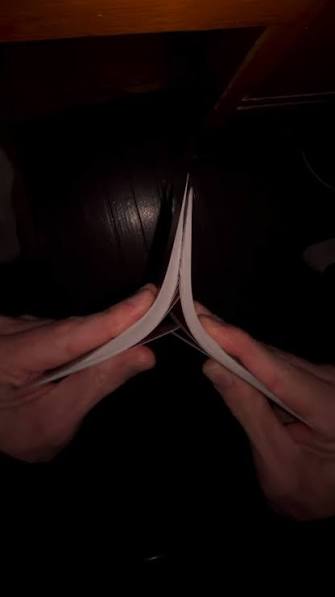
Faro 2 is a unique move that involves splitting the deck into two pieces, then spread them out. After this, interlace the two halves together by bending them into each other. You can then perform a bridge, or go into another move.

Fireworks is a unique flourish that does a spring whilst in the middle of a two handed cut. The original move was created by Haider Ahmad, with some additional closers being done by Koa Rabang. ]=
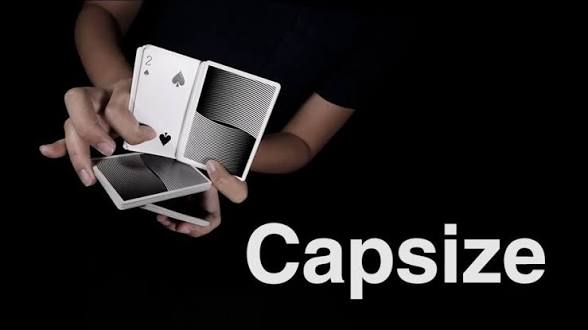
A flourish that has first appeared at the first round submission from Daniel Lin for the Cardistry Con Championship 2016. The flourish has 2 packs of cards tumbling and falling to make a quick 3 packet display with alternate back and face sides appearing before closing.
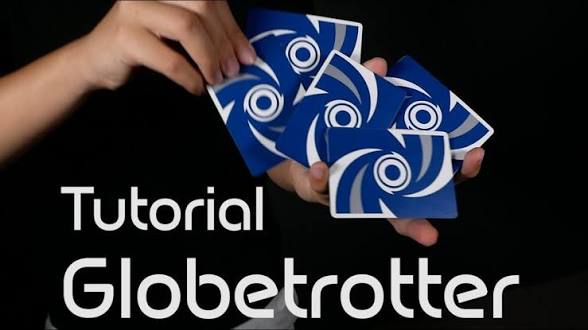
Debut for the first time at the second round of the Cardistry Con Championship 2016. Globetrotter is a moving display that revolved the movement of 2 cards around a "globe"
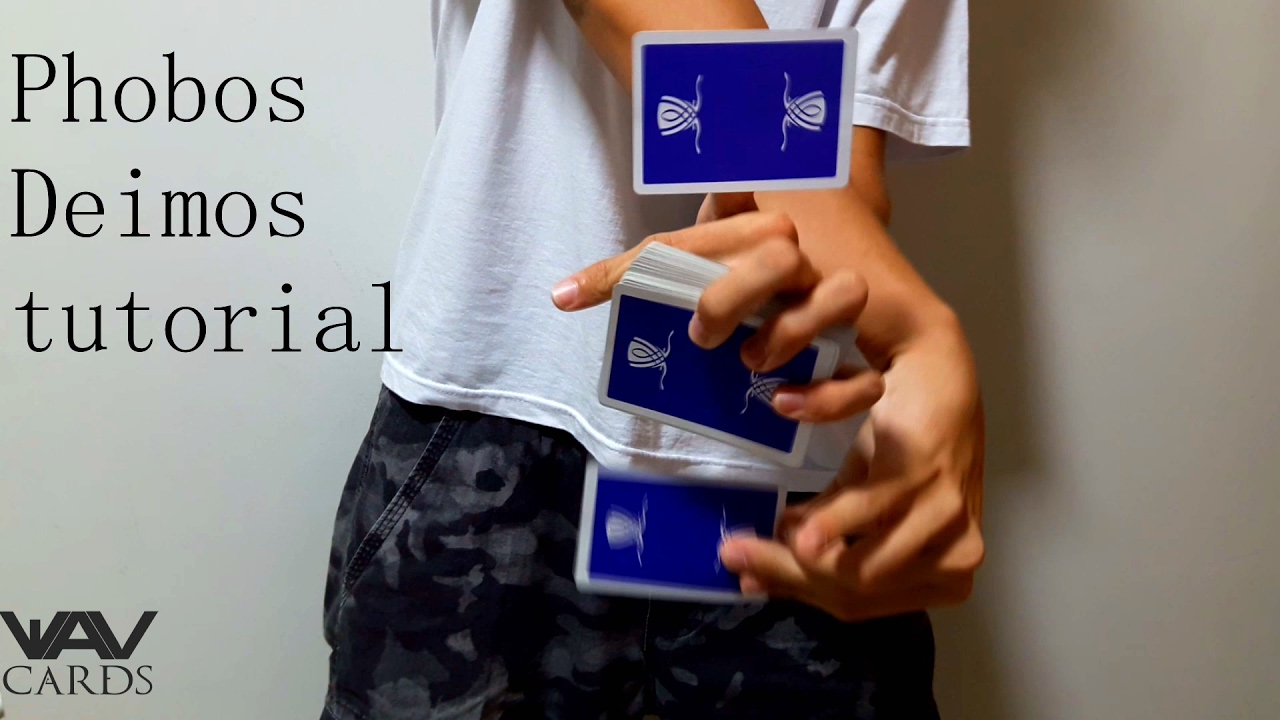
Phobos Deimos is a move that revolves around floating cards and rotations. The cardist must first angel one card with one hand then hold another singular card in the lower hand. Then, both cars are displayed outwards towards the viewer. The deck is then rotated, with the card being "angeled" on the top thumb staying roughly in the same position. Then, the angeled card is moved downards along with the bottom hand moving the lower card upwards.

Mockingod is a move in the cardistry community that is known as being difficult and taking a long period of time to fully master. Mockingod combines the moves Bobo III in the lower hand with two cards spinning in the upper hand. When done smoothly at high speeds, the cards look as if it is spinning rapidly.
