191 moves
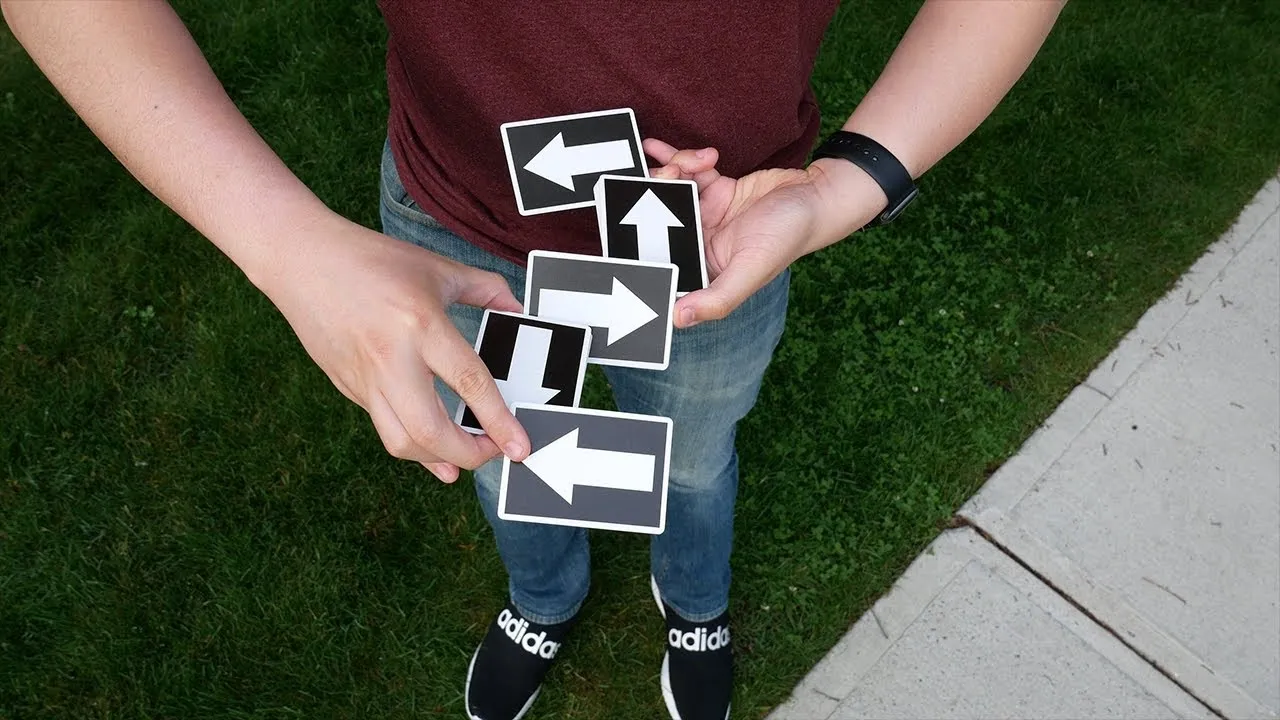
What if you could do The Werm... but faster? Instawerm is the answer to that. Practiced well, you can get in and out of it so fast that its effects will almost seem subliminal, causing your spectators to question whether they just saw you whip a large snake-like thing out in front of their faces. Um, perhaps I could've phrased that better... - Kevin Ho

INSO by Joey Cardist and Sergio Roca is an flexible angel-based isolation mixed with huron's flicker. In the move, the angeled card moves rapidly left and right, while the other hand performs synchronously flicker. This motion is visually interesting and helps create an almost surreal sense to the move.


The Yin-Yang fan is a variation of the smear fan which bends at the ends of spread, forming a unique display which shows the back and front of the cards.
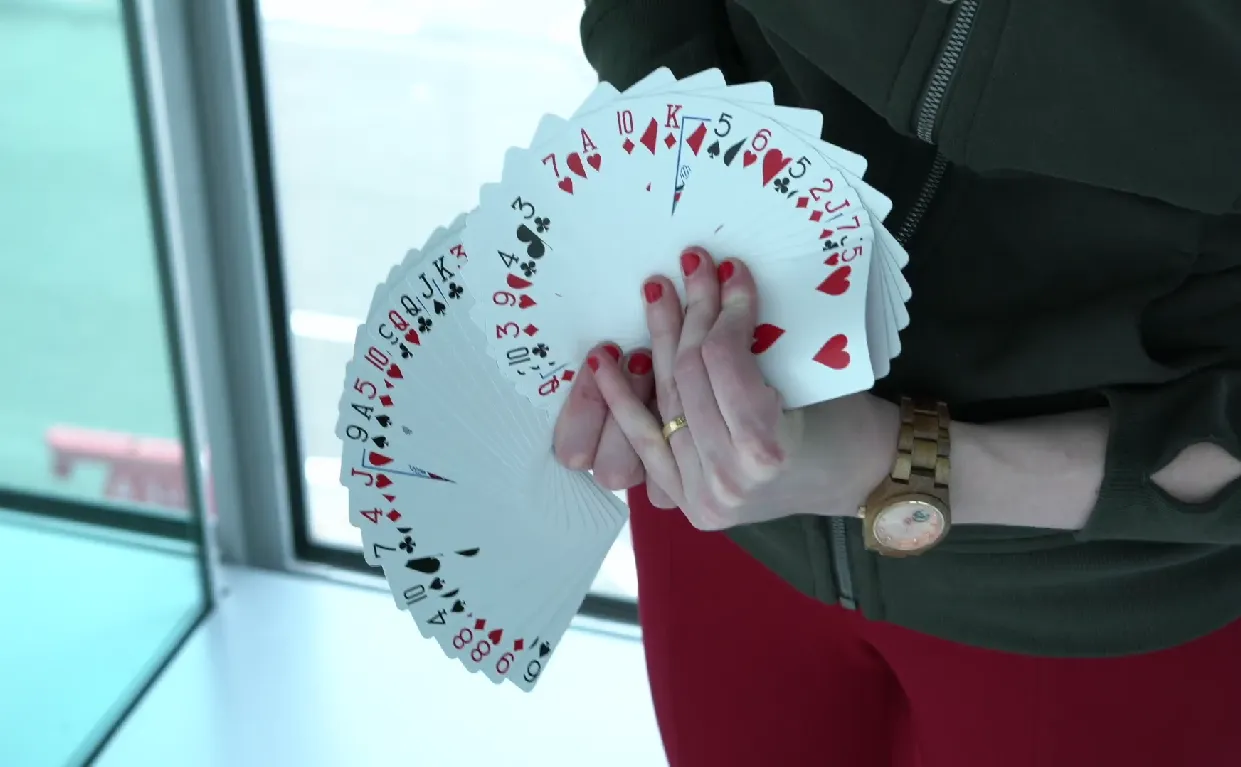
The Siamese Fan is an easy yet flashy fan, one of the few moves that can impress a layman.
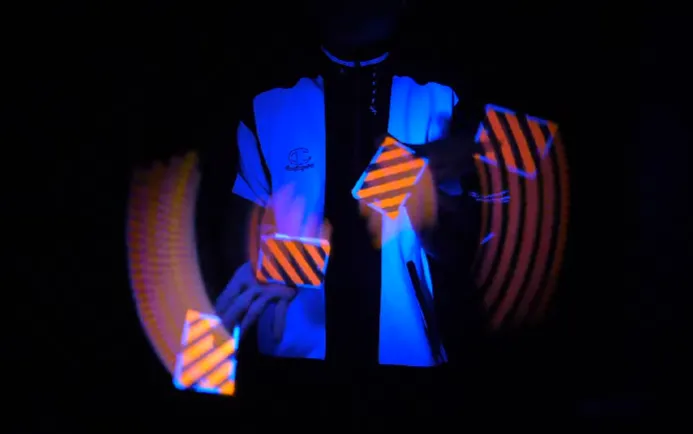
X-Cut is a unique two-handed twirl which uses only the movement of the arms, and the opening and closing of the hands. It originally started out as a two-handed X-shaped display by Jerry Cestkowski, taught in his book "Encyclopedia of Playing Card Flourishes". But Kevin Ho created a variation of it which turned it into a twirl, which is now the commonly done version.
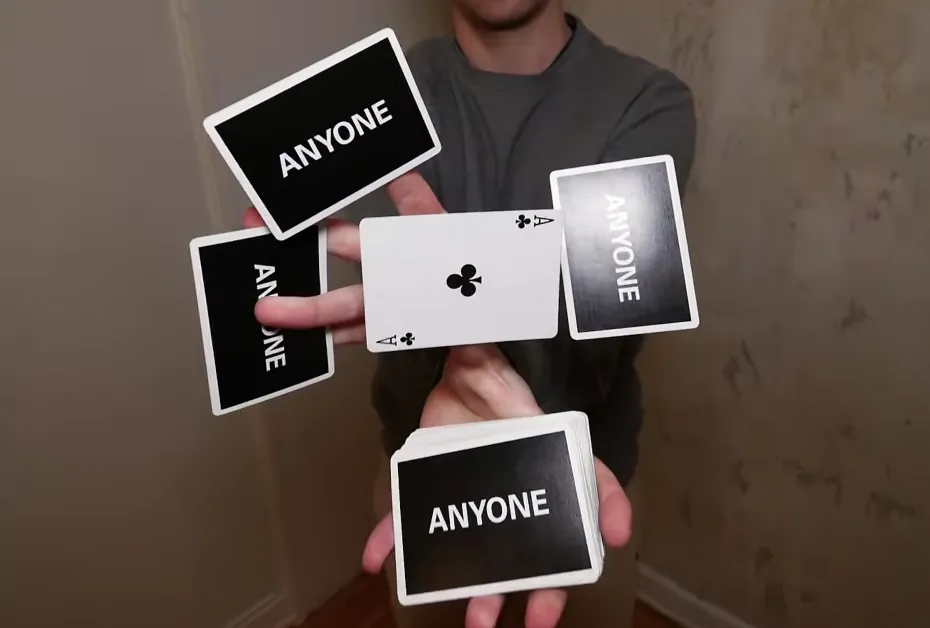
Spatium (aka Spatchum) is a 3-phase isolation reminiscent of Phobos Deimos, despite being created before Phobos Deimos. Noel Heath once said in an interview that Spatium was one of the first moves he created alongside Virus. The two names of Spatium came from how the two tutorials referred to it with different names, specifically the cardistry high tutorial referred to it as Spatchum, but in the newer A1 demonstration, it was called Spatium. Tips Spatium uses a large amount of angels in the move, and with all of them being done very quickly with no room to breathe. It's recommended for beginners to find a way to make the tips of both of your thumbs and your index as sticky as possible. Some practices involve licking and then drying those fingers; however, this is not an advised approach, especially once the trick has been mastered.

Pinball is a two-handed cardistry flourish based on an extended Z-grip structure where a single card slides down between open packets. The card rebounds across key hand contact points like a pinball before closing smoothly with a scissor cut motion.

Description 7-packet Namnlos is a variation of the normal 5-packet Namnlos cut created by Birger Karlsson. First Digital Appearance The first YouTube appearance of this cut was on the 14.04.2018 in a tutorial video by School of Cardistry. However, earlier appearances on other platforms may exist. Etymology Same as for 5-packet Namnlos. Additional Information 22 days before the official tutorial, School of Cardistry released the trailer for their new Broken Borders deck. The following weeks, they released a total of 14 tutorials featuring several cardists to showcase their newly released deck.

Description Namnlos is a simple 5-packet display, similar-looking to Spin Doctor, but slightly easier (something on the difficulty of Five Faces of Sybil). It was created by Birger Karlsson some time before November 2013. First Digital Appearance The first YouTube appearance of this move was on 16.11.2013 in a tutorial video on Birger Karlsson's own YouTube channel. However, earlier appearances on other platforms may exist. Etymology The name comes from the Swedish word "namnlös", which literally translates to "nameless" or "no name", which has been a reoccuring theme in Birger Karlssons move lists. Additional Information In 2018, the YouTube Channel School of Cardistry uploaded a dedicated tutorial, featuring Birger Karlsson himself, of a more advanced version of the cut with 7 packets instead of 5, also showcasing their newly released Broken Borders playing cards.

A fascinating 8-card display with 2 symmetrical sides, performed by both hands at the same time and joined to create a visual at the meeting point. History He started working on the move on June 12, 2019. The flourish began as a simple three‑card production, built around clean visual reveals. As Mayrand continued refining the concept, he discovered a method to add a fourth card, expanding the structure and symmetry of the move. Later, the move reached its iconic final form when he found a way to double the production in both hands, creating the mirrored 8‑shape visual that defines Crazy 8's today. Lars Mayrand provided clarification on the history of the move, stating that: i published it on june 12 2019. it started as just a three card production, then i found a way to add the fourth card, and later double it in both hands. The final form was performed for the first time in his Youtube video Going Green.
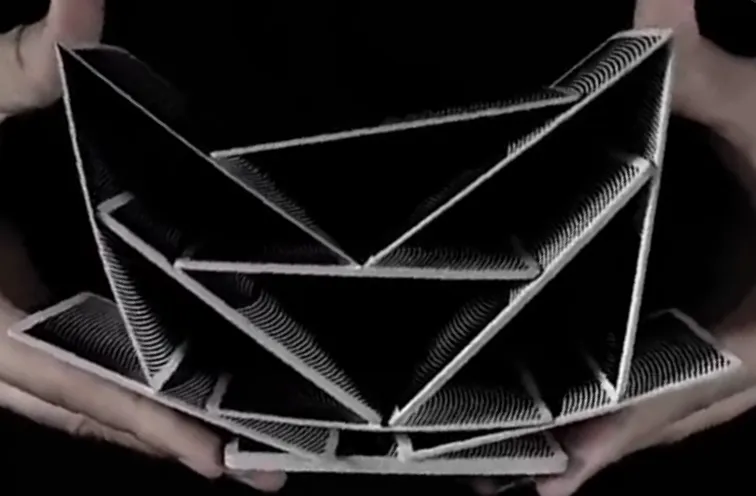
Array is a stately card construction built using principles similar to those of Holy Grail. Blocks of cards are pushed out from the deck and then pushed back into it. The entire structure is raised to a spectacular level through the thumbs and its final form is achieved by releasing the fingers holding the lower packets.
