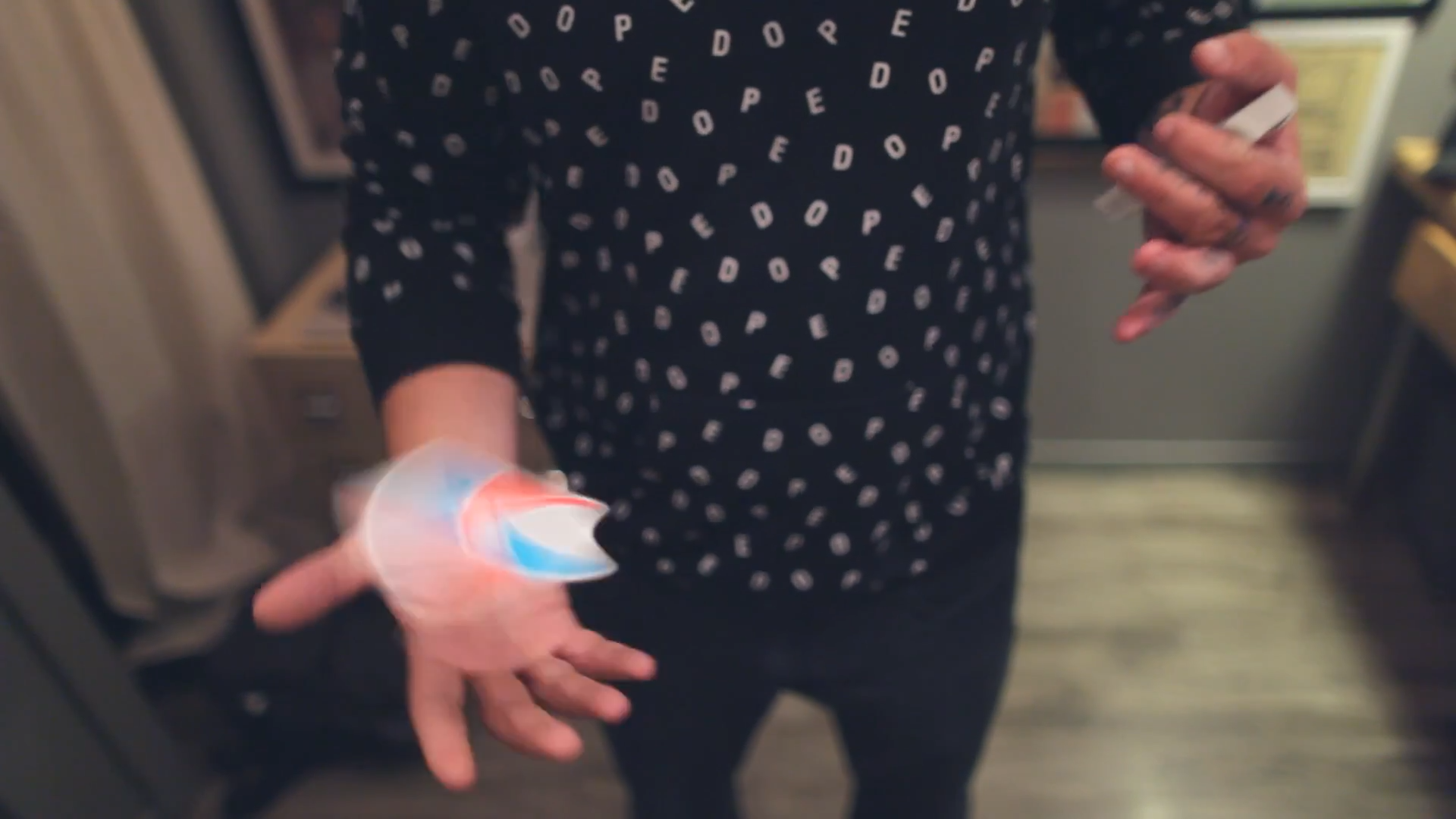
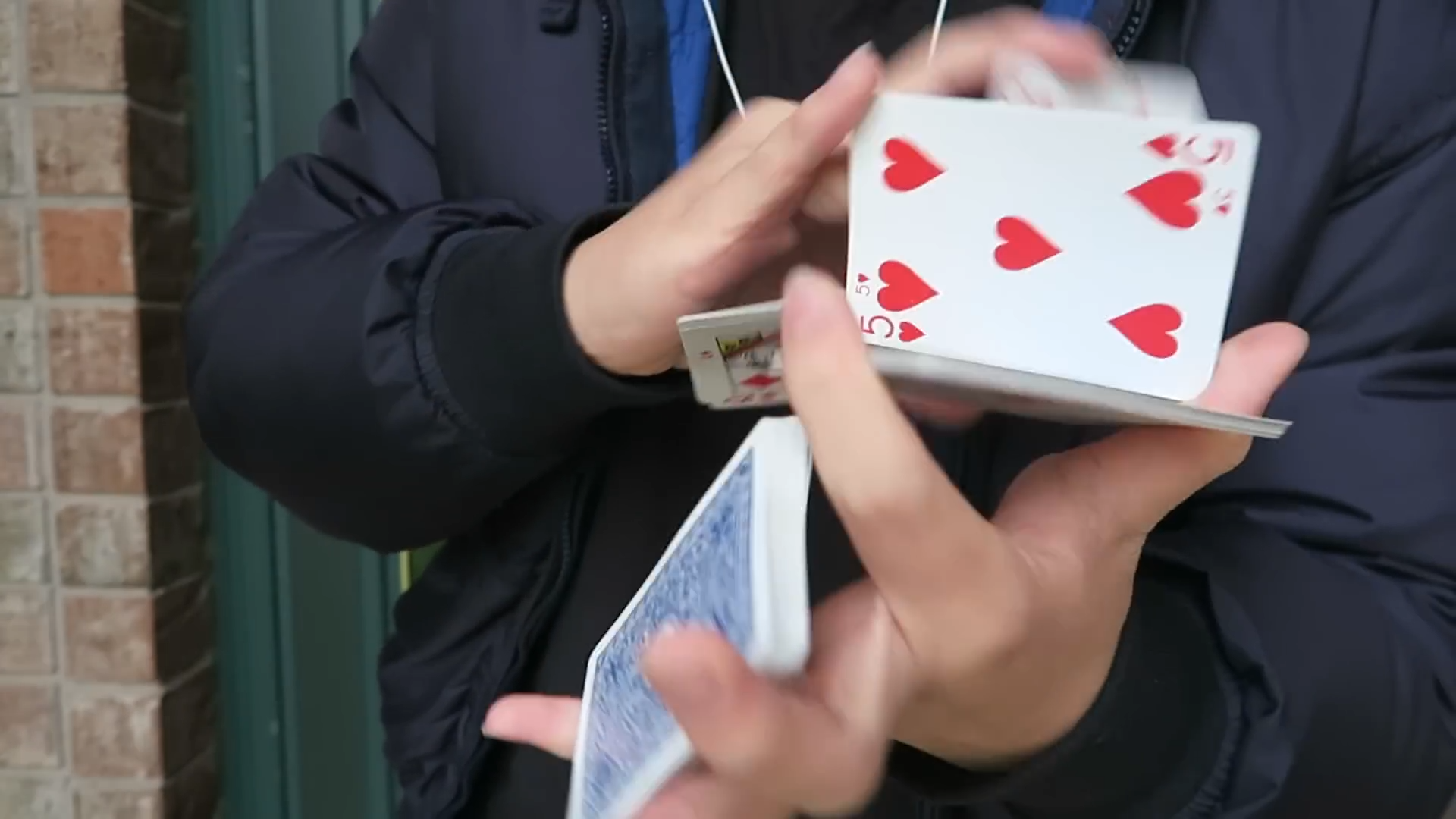
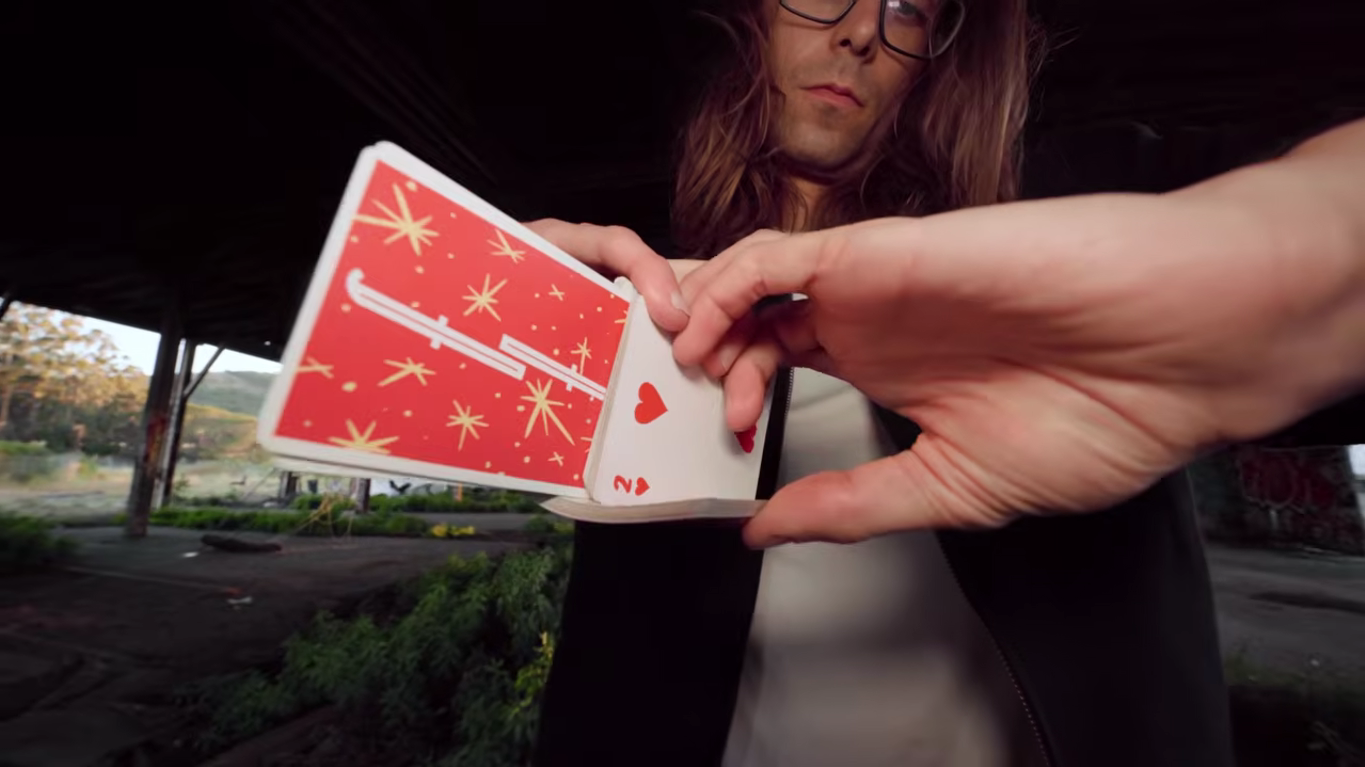
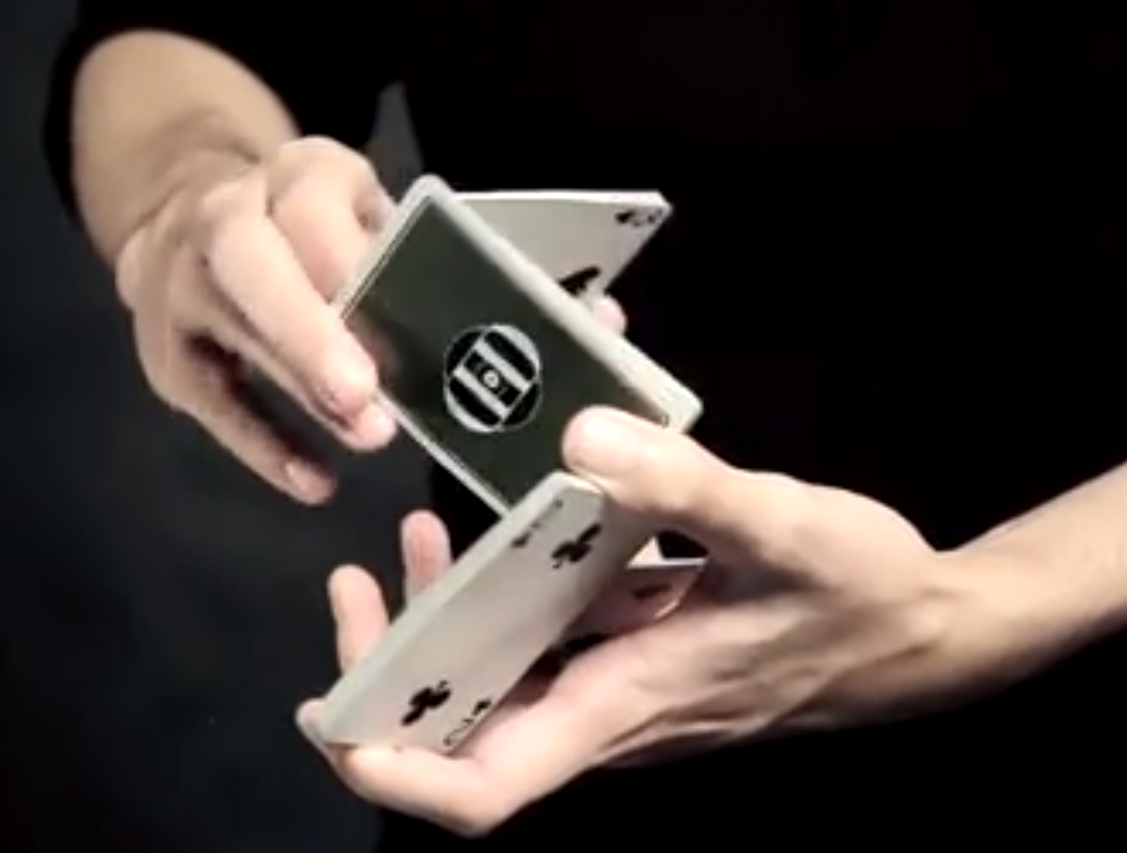
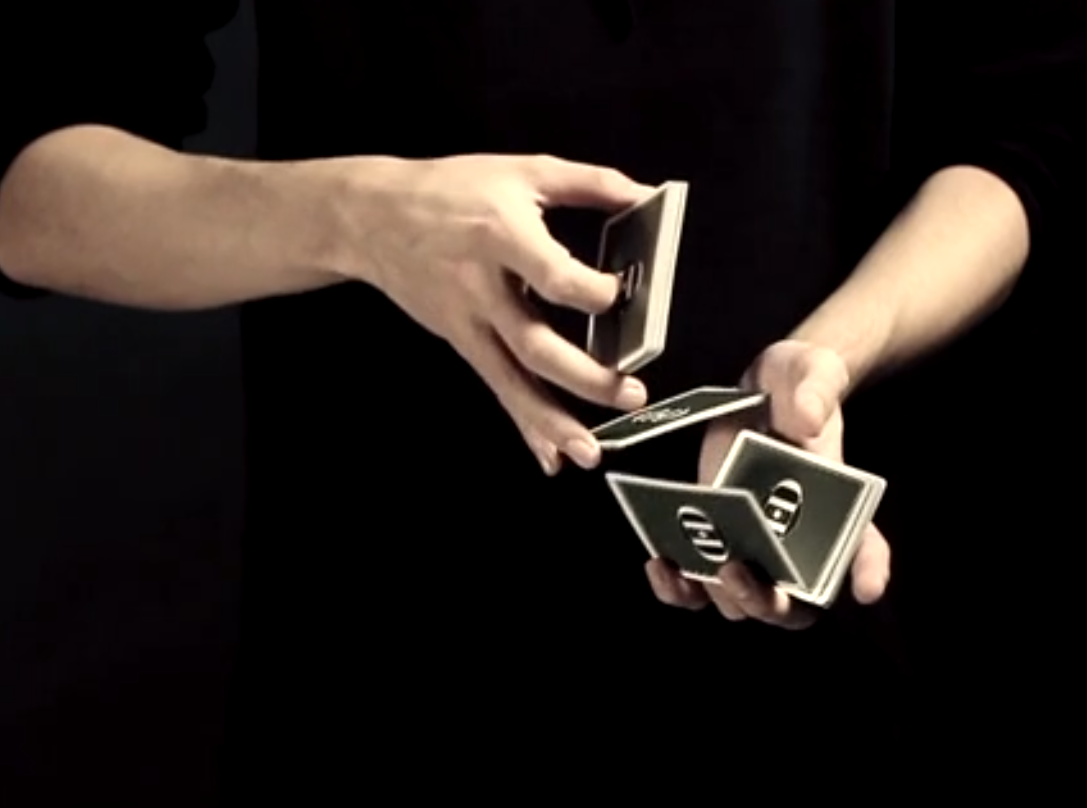
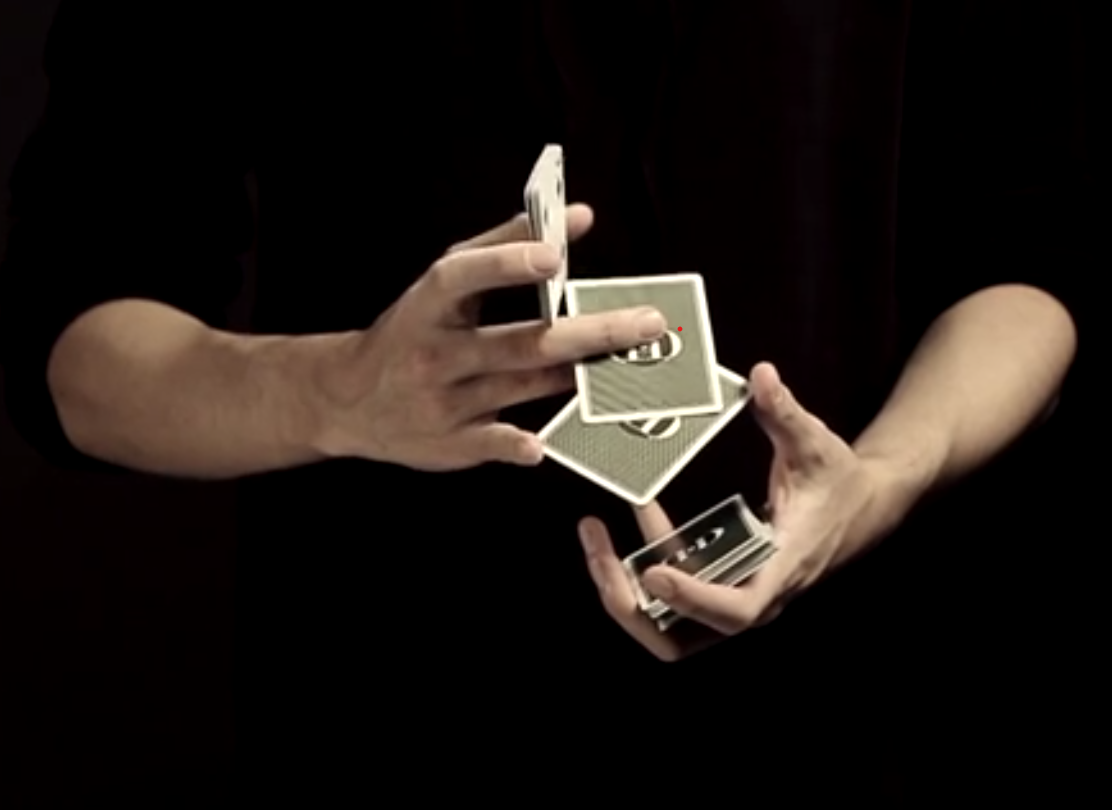
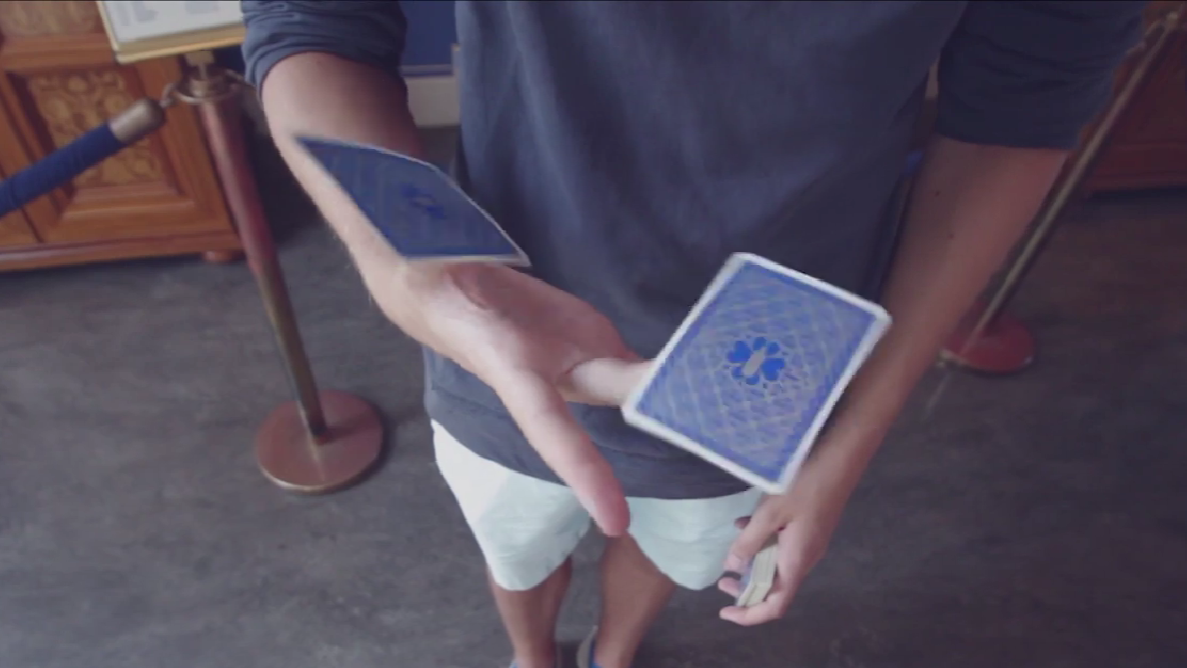
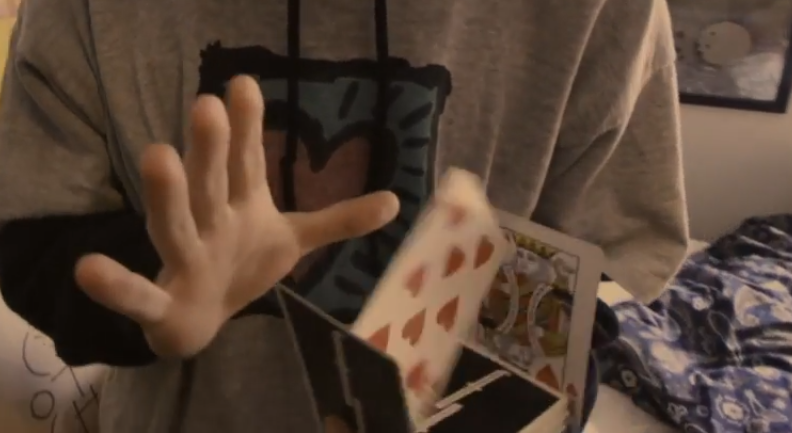
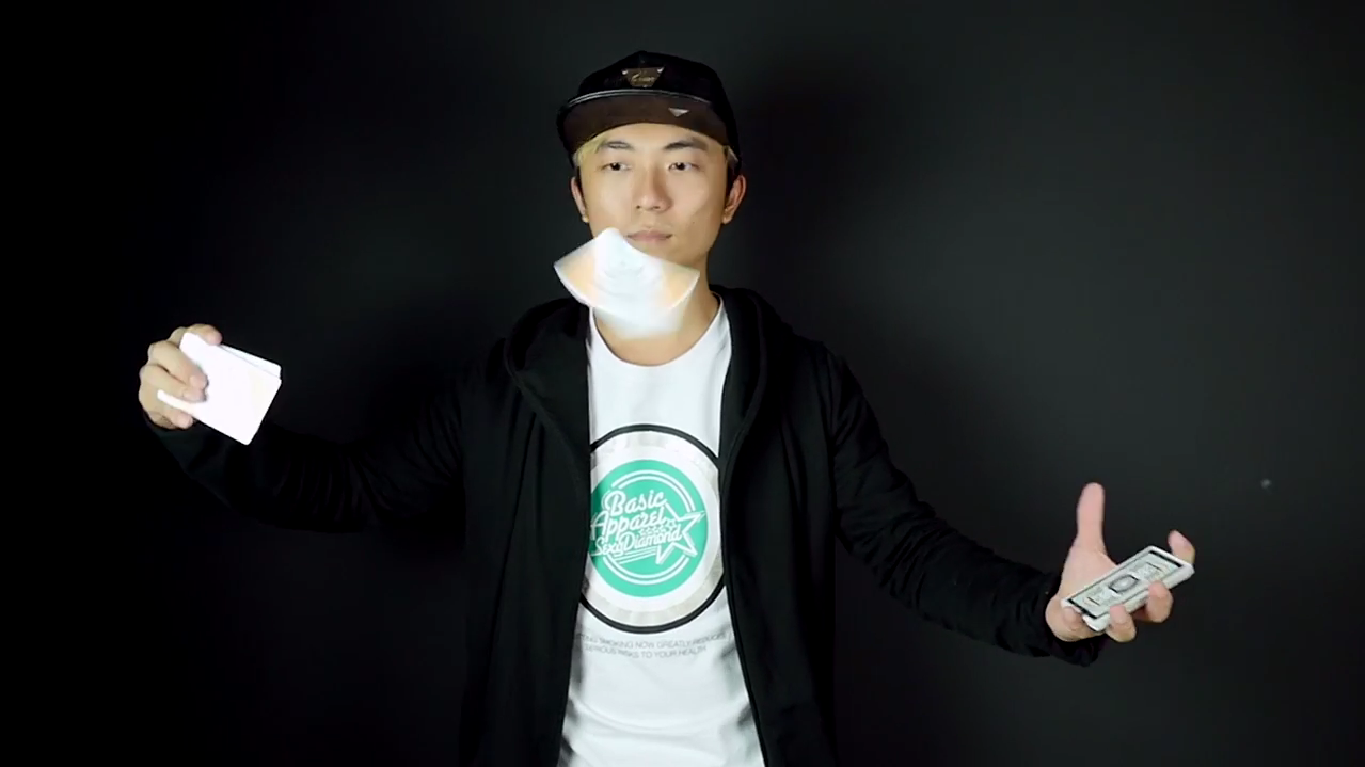
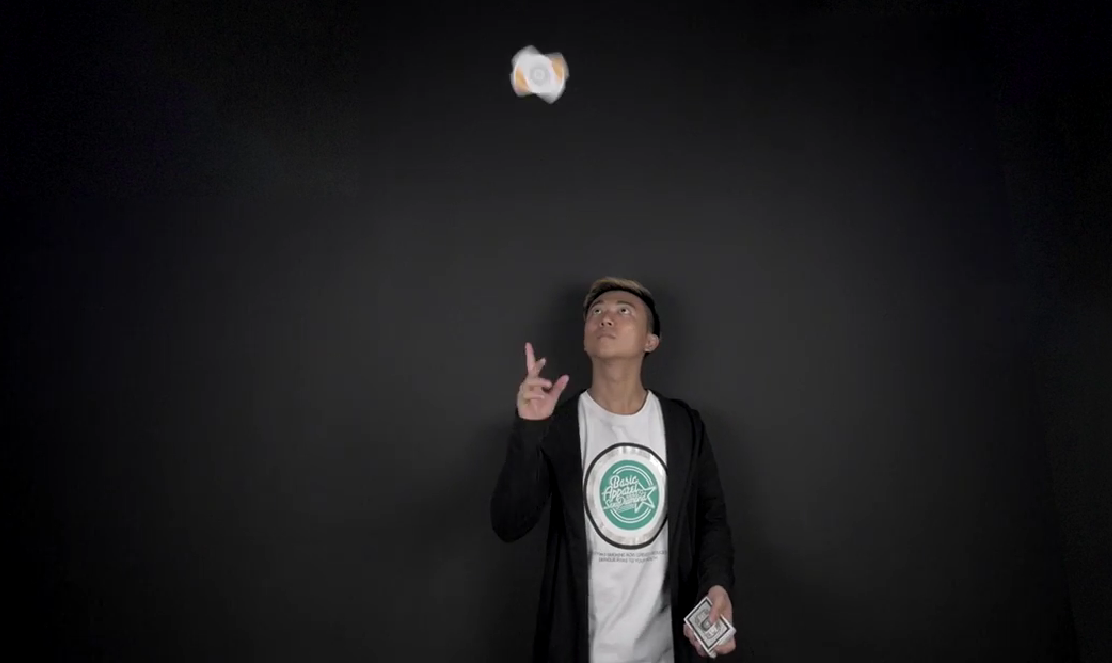
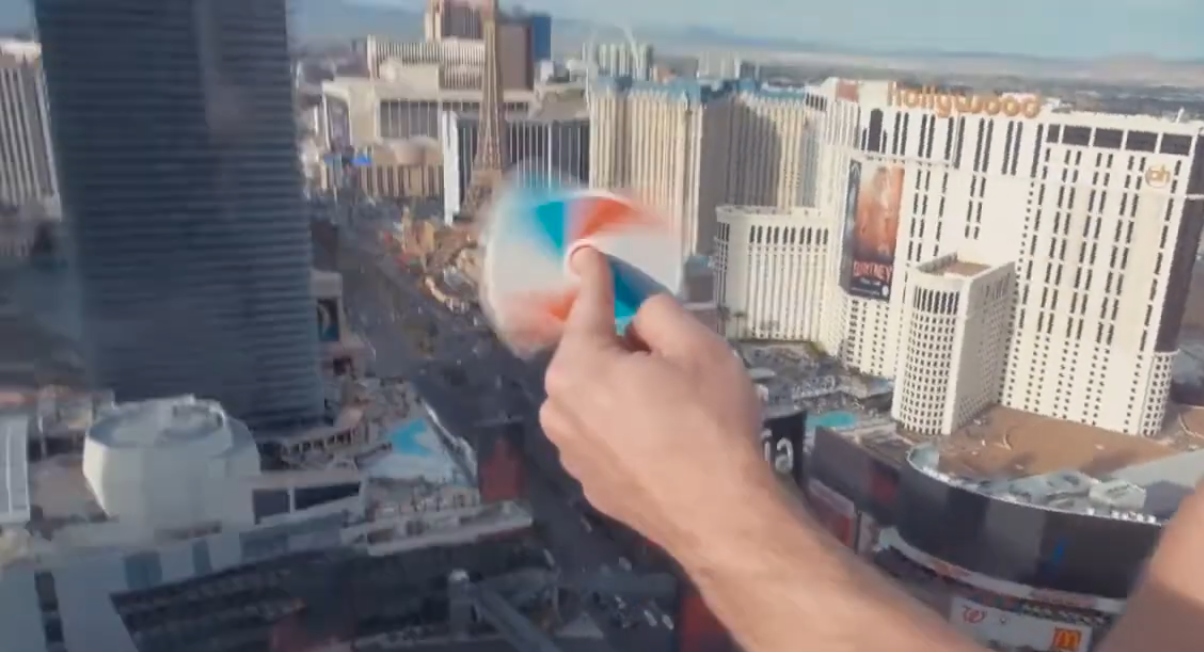
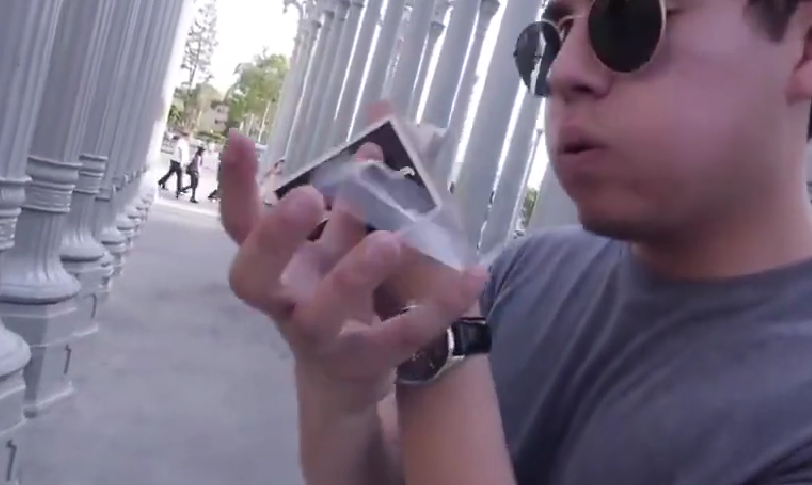
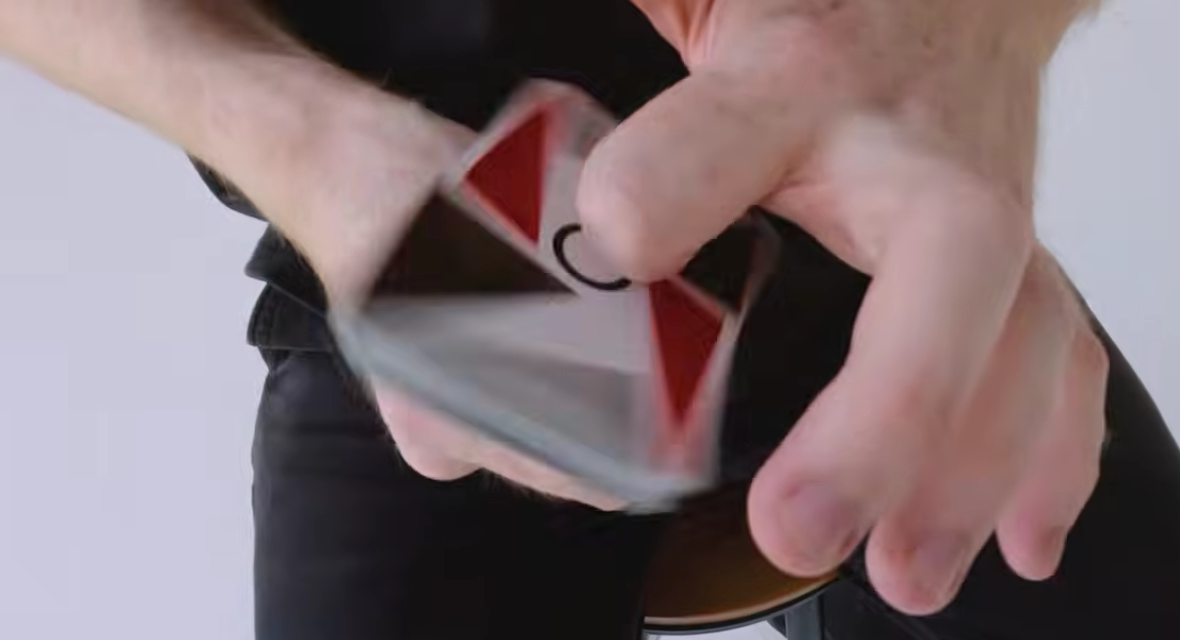
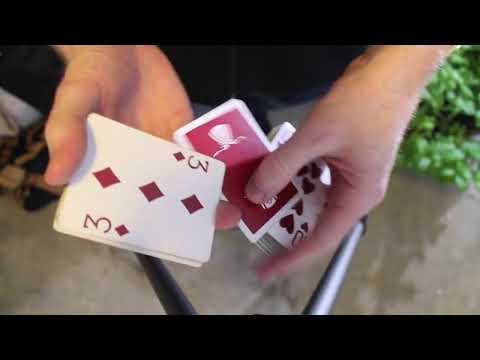
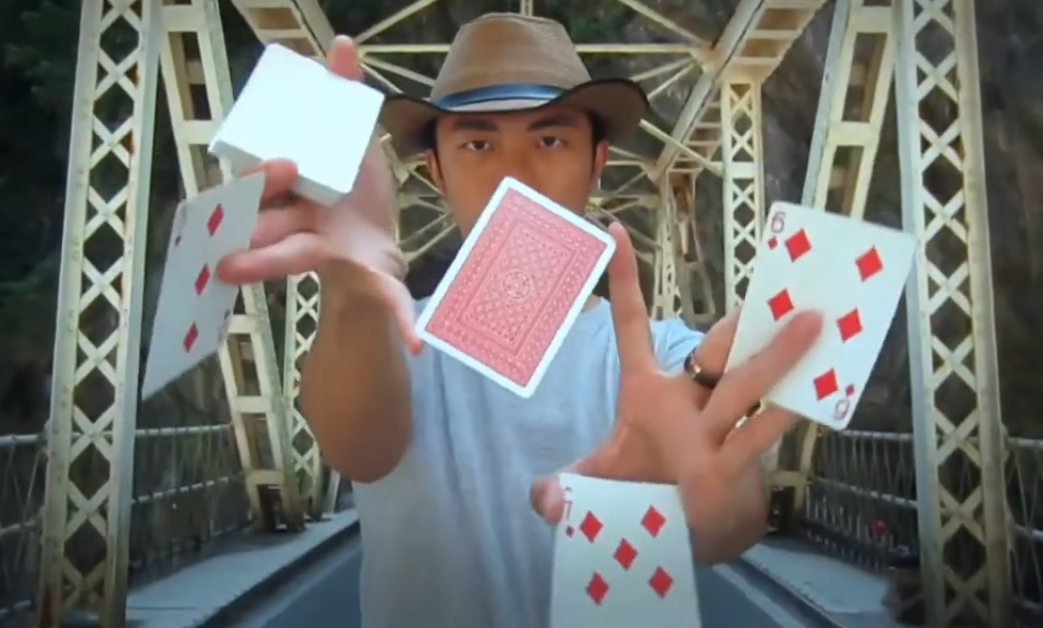
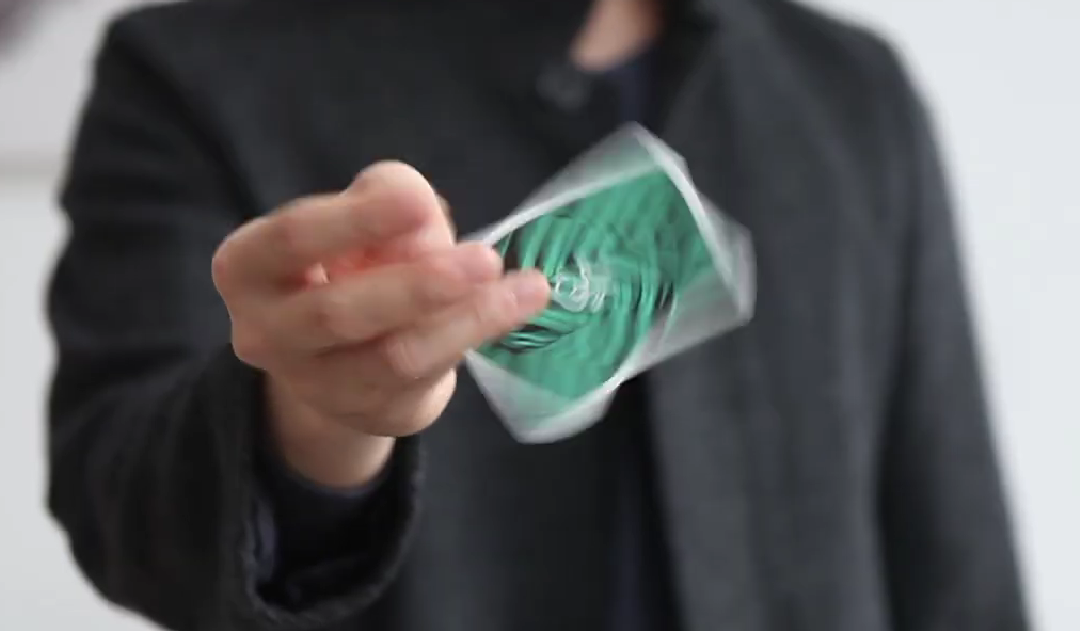
Moves that feature a card, packet, or deck spinning around its own axis (e.g. balanced on a finger or in the hand).
53 moves in the archive
Biddle Flip is a quick and easy packet aerial that uses the biddle grip.

Ferris is a simple twirl that can lead into more twirls and combos. Published for the first time in D&D's youtube channel in 2014.

You might think it's a painful aerial. But according to Birger himself, this move is **not **supposed to hurt! A variation of Matt Fox's KPOP.

The One Handed Kickflip is a variation of Kickflip by Dan & Dave. The move itself is a 360 degree rotation of a packet in one hand.
A move with an almost dreamy, half-surreal vibe. The move follows simpler mechanics that then lead into more complicated sequence. Backstory Both Cornobble and Are There Turtles in the pond share a common opener, with Cornobble generally understood to have been developed after Turtles in the Pond. The shared opener is based on Revolver by Kevin Ho. According to Cardistree, work on this opener began around spring 2024, and the first fully completed version of Are There Turtles in the Pond—the precursor to Cornobble—was finished in June 2024. The names Are There Turtles in the Pond and Cornobble originate from a Youtube video A (non)cardist's deck collection. In that video, Cardistree asks a friend what the flourish should be called. She jokingly suggested "Are There Turtles in the Pond", a phrase Cardistree describes as "a running joke between them". In the same video, she also proposed "Cornobble", a term meaning to slap someone across the face with a dead fish. Cardistree explains that he spent some time deciding between the two names. Eventually, around October 2025, he chose to use both. At that time, what is now Are There Turtles in the Pond was originally named Cornobble. However, after realizing the name didn’t suit the move, he redesigned Are There Turtles in the Pond to include a “slap‑like” closer that better matched the meaning of the word cornobble. Tutorials for both Are There Turtles in the Pond and Cornobble were released around March 2026. important: the tutorial teaches both cornobble and its variation turtles in the pond

If you love card rotation and one-handed moves, this is one you simply have to learn! RC SPIN is one of Sergio Roca's favorite moves.
The Cobrush Cut is a combination of Cobra Cut by De'Vo Vom Schattenreich and Brush by Jerry Cestkowski. It has the same cobra-like striking motion, but with the packet also being spun midiar.

Pincho Extension is, as the name strongly suggests, a Pincho extension. It uses a single card extension like werm to add a "sauce" to the original Pincho. Taught by Oliver Søgård in the Dealersgrip channel in a tutorial video.

"I've been playing with two card twirls for several years. Everyone has their own take on the two card twirl, some have crazy names, others have crazy moves. I wanted to bring a two card twirl to you with a bunch of utility twirls that you could use to shape your own card twirl. " -Kenneth Aidan Foo
Nimbus is a cut consisting of three spinning packets. The move first debuted as part of the NB3 project (short for Nimbus, Bowtie, and 3D), released by Theory11 on its online store, and was later made publicly available on YouTube on October 4, 2013, through the Theory11 channel. If spinning the packets proves difficult, using a thinner deck or a partial deck is recommended.

The Kickflip Skater Cut (often refered to as simply Kickflip) is a variation of the Skater Cut by Joey Burton. In the original move, a packet is stripped out and stays static until it is brought back into the deck. In Dan & Dave's variation, the stripped packet performs a full 360 rotation, known as the Kickflip (Created by Dan & Dave). Hence why it is called the Kickflip Skater Cut.

Rotation Isolation was created as a complement to the Palm Shift Isolation. The move begins by gripping the center of the card with the thumb and middle finger, which serve as the pivot point. The ring finger is then placed against the card to rotate it in the opposite direction of the hand's movement, creating the illusion of a stationary card.

Prestige Isolation is a simple isolation flourish that combines a fan with a single isolated card. The move traditionally begins with a fan created using the Side Pressure Fan technique, although a similar final effect can also be achieved with other fans, such as the Thumb Fan. A single card is then extracted from the fan and rotated in the style of the Rotation Isolation. The creator named the move after The Prestige (2006), drawing inspiration from the film's theme of magic.

Backstroke is a visually fluid two-handed packet cut characterized by its rhythmic and continuous flow. The movement relies on seamless packet rotations and finger dexterity to create a swimming-like motion.

The "Brush" is a dynamic, beginner-friendly aerial flourish where a single spinning card is shot into the air. Instead of a standard catch, the cardist smoothly deflects the card upward with their hand or body, creating a striking rebound effect.

Clustercuss is a twisting one handed cut by Lewis Caldwell! Very interesting threading action going on here, worth learning.

Cirlce Twirl is a flourish where once card is taken from the deck, and is spun in a circle.
V-Cuts, is a highly advanced one handed cut that involves the stripping of packets from one packet, and then spinning them down into the other hand.

Throwback is a flourish inspired by Kevin Ho's Backdrop grip. It opens with the same grip and positioning as Backdrop and then is spun by the middle finger.

"It started more as a combo, but i've added enough elements over time that it's become its own move at this point" -Dom Corrado

Opteka is a variant of the move Pincho by Oliver Sogard. It consists on the same start as pincho, after the first spin the hand grabs a separated packet and then places it behind the main one before closing and squaring up.