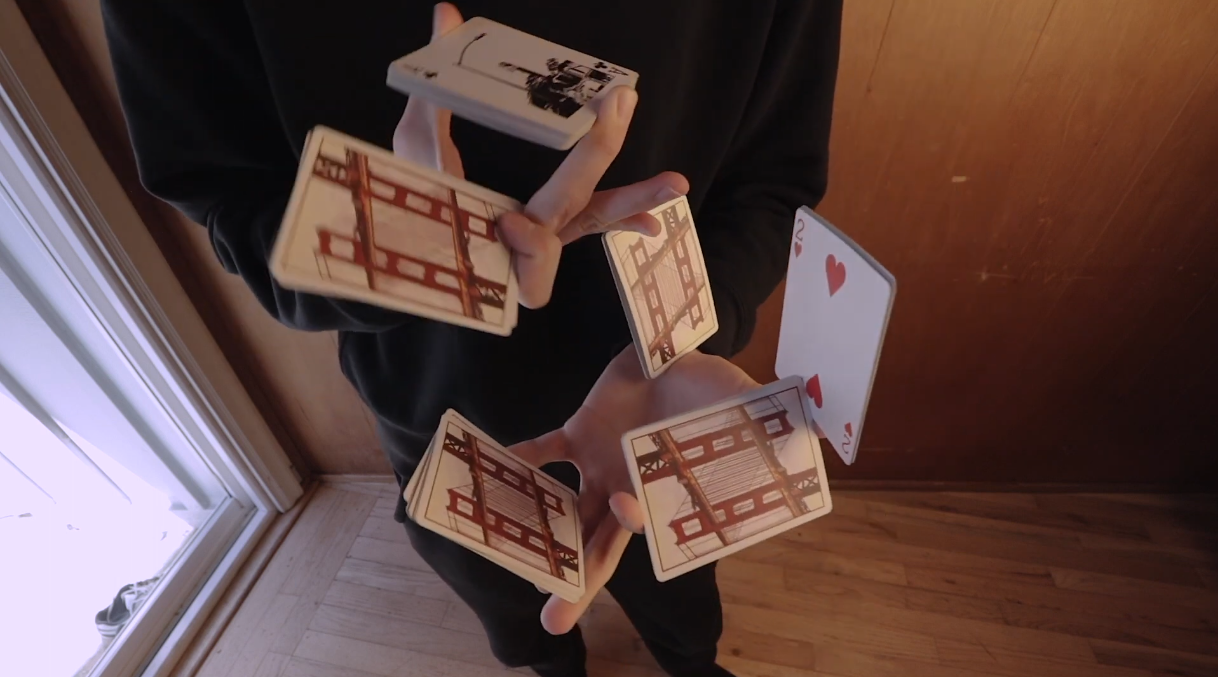
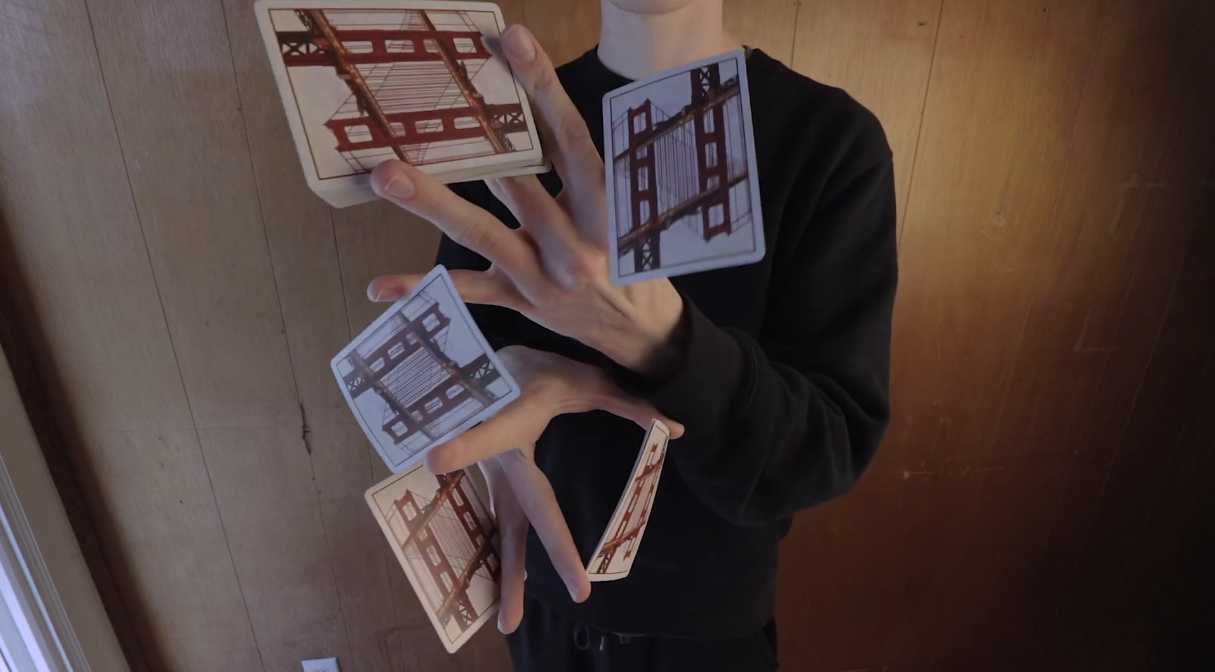
247 moves
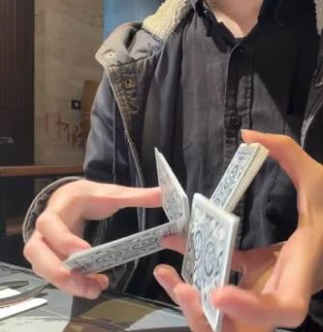
Fission was a move created by Yang Chan that was known for being extremely smooth and innovative. It involves vertically splitting a deck of cards into four parts, and then weaving and moving them around until the cut was complete. There are multiple tutorials for this move, an original one from biliblili reuploaded on youtube is here: https://www.youtube.com/watch?v=GbR6bsg27tk (Chinese) English (unoffical tutorial) is below: https://www.youtube.com/watch?v=DH1UnMcUDss (English)

Trinity is an amazing move that allows you to effectively "duplicate" a charlier triangle in the right hand, then combine it back together into one triangle. When done smoothly at high speeds, it can look as if the second triangle magically appears.

Stands for "Kevin's First Cut". A very fun and easy flourish to get started with packet cuts.

Featured for the first time at the cardistry performance video Blitz on the Lotus In Hand Youtube channel.

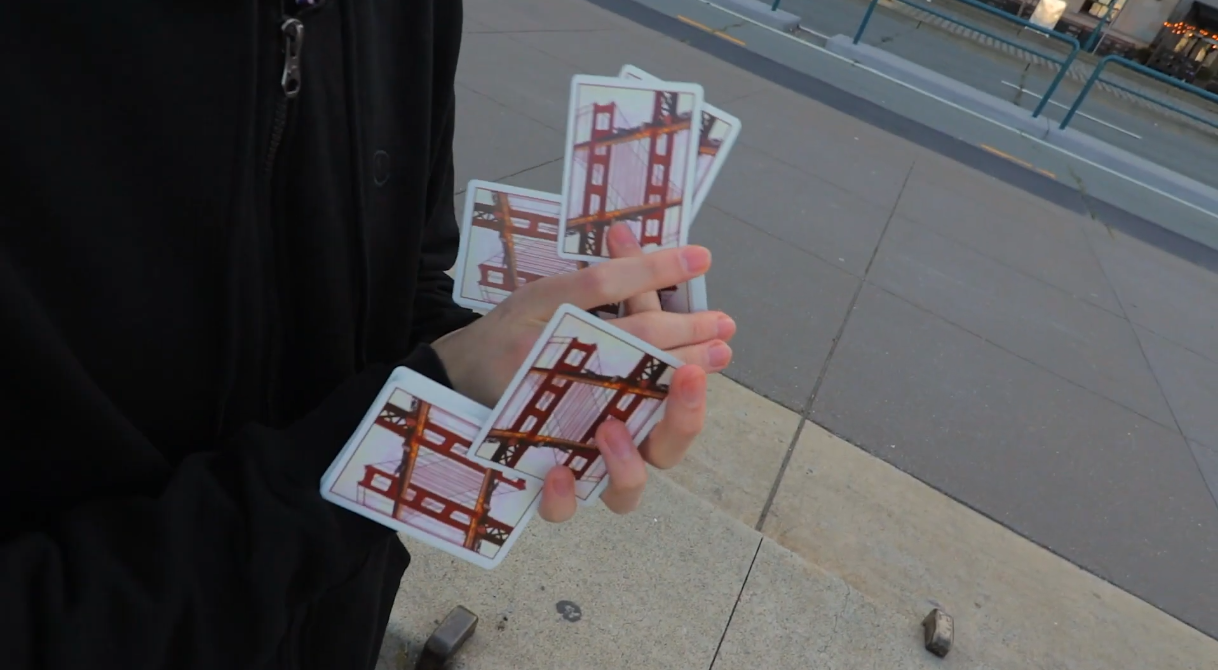
First tutorial in Zeusy's 4x4 Tutorials video. The flourish cleverly displays multiple "bunny ears" with packets.