240 moves


Riffle Fan is created by evenly spreading the cards into a circular fan while riffling them. The entire fan is balanced on the tip of the index fingernail or thumbnail, allowing the cards to slide and rotate around a central pivot. The main challenge is finding the right balance between gravity and support. Applying too much upward pressure prevents the cards from sliding smoothly, while too little causes the fan to collapse.

One of the most iconic flourishes of all time. First released in The Triology in 2007.


Spring is a fundamental cardistry technique where cards are released into the air in a controlled burst, used by both cardists and magicians. It relies on diagonal pressure built within the deck and released through the thumb. The move is widely used due to its high level of control, its versatility in use (it's required for e.g. LePaul Spread, Pressure Fan, Under Pressure Fan, and Antifaro), and its relatively low difficulty.
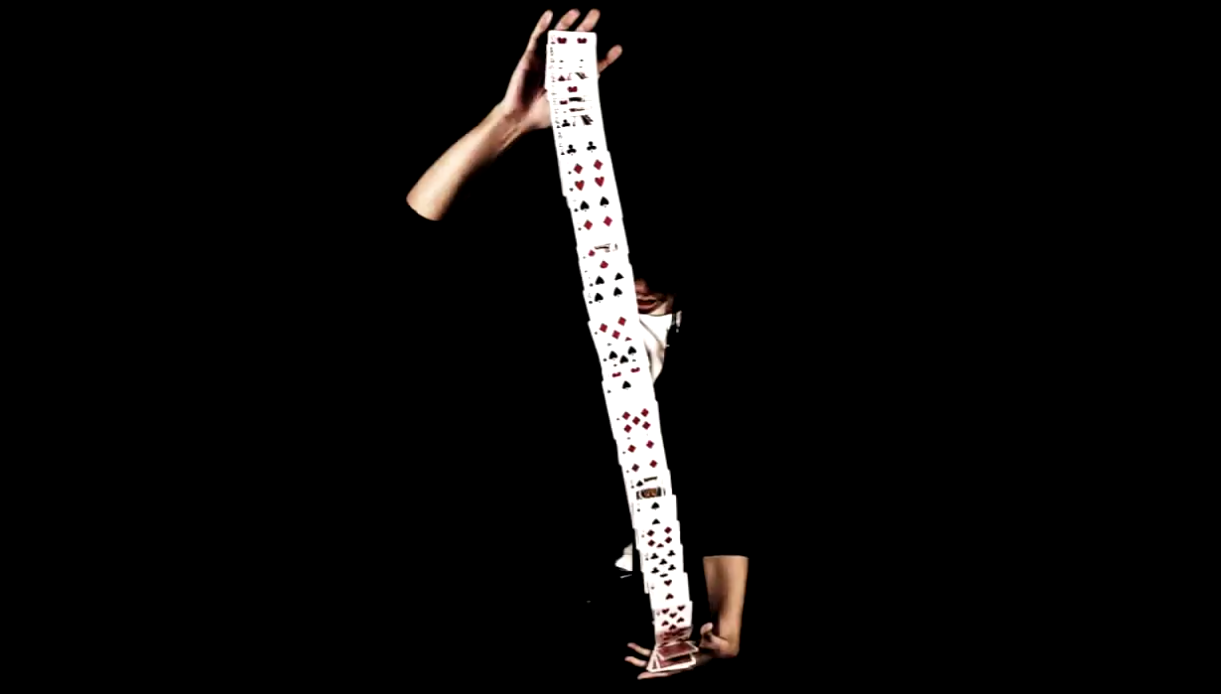
Anaconda, known as The World’s Longest Dribble is a classic aerial flourish. It creates a long, snake-like column of cards in the air, which then is controlled as it falls into the other hand. In general, the larger the “snake”, the stronger the visual impact.

L-Cuts are known for their difficulty and beauty. Created by Jerry Cestkowski and published in his book "Encyclopedia of Playing Card Flourishes" in 2002. Over the past 8 years, David Pedersen has been perfecting it, and gathering important pointers on how to reach ninja-level. We hope this video will help you polish up your L-Cuts.

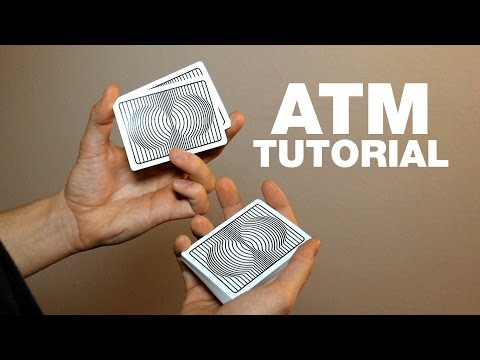

A classic move in which you spin a packet of cards between your two hands. It was first featured in "Hit the road" by Paul Wilson and Lee Asher. One source stated that the author of the move is Ashford Knietel.

