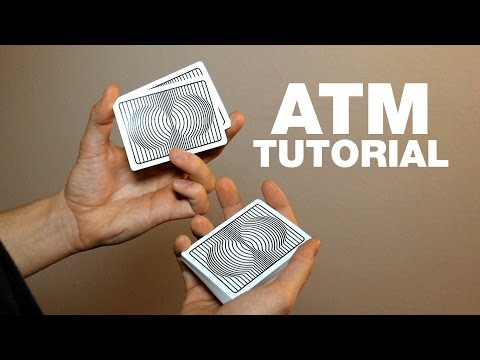
Spring is a fundamental cardistry technique where cards are released into the air in a controlled burst, used by both cardists and magicians. It relies on diagonal pressure built within the deck and released through the thumb. The move is widely used due to its high level of control, its versatility in use (it's required for e.g. LePaul Spread, Pressure Fan, Under Pressure Fan, and Antifaro), and its relatively low difficulty.

Inspired by a new Faro mechanic that waterwheel used, I wanted to see if there were other unexplored Faro mechanics and spent a few months playing with different things and ended up with using pressure to un-faro a deck. Fun fact: I discovered it while using blank cards in an army camp because we weren’t allowed to bring Playing Cards into camp.
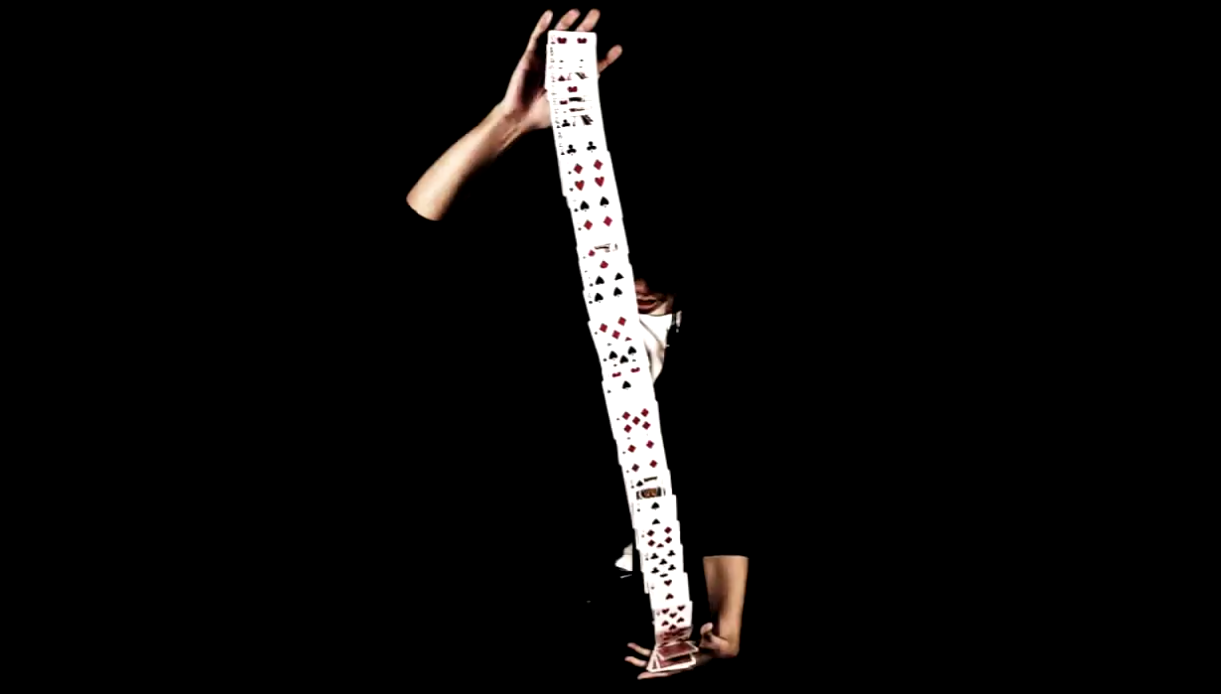
Anaconda, known as The World’s Longest Dribble is a classic aerial flourish. It creates a long, snake-like column of cards in the air, which then is controlled as it falls into the other hand. In general, the larger the “snake”, the stronger the visual impact.

L-Cuts are known for their difficulty and beauty. Created by Jerry Cestkowski and published in his book "Encyclopedia of Playing Card Flourishes" in 2002. Over the past 8 years, David Pedersen has been perfecting it, and gathering important pointers on how to reach ninja-level. We hope this video will help you polish up your L-Cuts.

Padiddle is more of a concept than a move. It is very tough to learn because it is not something you can sit down and do slowly - it's all about trial and error. But once you have gotten it down, it's like riding a bike. It will be build into your muscle memory. Special credit to Jerry Cestkowski who published this in his book "Encyclopedia of Playing Card Flourishes" in 2002.
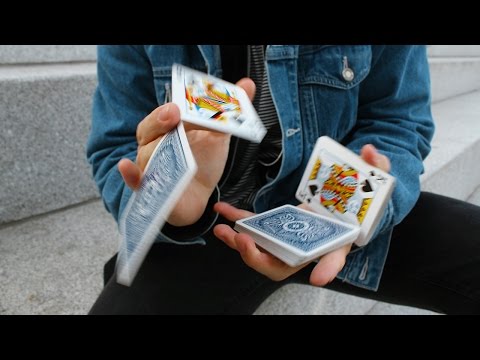
In order to understand and appreciate the art of cardistry combos, one must gather knowledge of as many moves as possible. Simplicity and practicality plays an important role when you're combining and/or improvising. Through the years, we've come across many different utility moves with different appearance and levels of simplicity. One we always come back to is Legolove by Nikolaj Pedersen. It is based off the classic Molecule rotation using the corners, and was first taught in the "Dynamite" tutorial series from 2011. It has become a part of our cardistry subconscious, and is a must-learn for every modern cardist. Sit back, grab a pack of cards, and learn Nikolaj's Legolove.


Pincho is a minimalistic one-packet twirl created by Oliver Sogard. A small pack of cards is clipped between two fingers and then rotated - seemingly without any effort - around the index. The simple nature of this move allows you to add your own personal style and is why many cardists consider Pincho to be one of the best combo moves out there.